


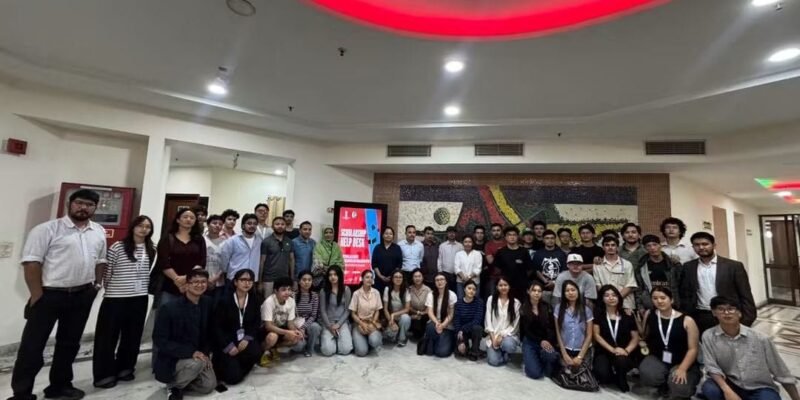
Leh, October 22, 2026: The Department of Social & Tribal Welfare, Union Territory of Ladakh, under the *Nasha Mukt Bharat Abhiyaan (NMBA)*, is organising an Interactive Student Awareness Programme on “Understanding Substance Use Disorder, Mental Health Awareness, and Finding Support” on October 24, 2026, at the Department of Zoology, Panjab University, Chandigarh.
The programme is being organised in collaboration with the Department of Health & Medical Education, Department of School Education, Ladakh Police Department, Ladakh Student Association Chandigarh (LSA), Zangskar Student Association (ZSA), and All Ladakh Student Welfare Association Chandigarh (ALSWAC).
The initiative aims to promote awareness about substance use disorders, encourage positive mental health practices, and create a supportive environment where students can openly discuss their concerns and seek help without fear of stigma or discrimination.
The interactive session will sensitise students to the causes and consequences of substance use disorders, the importance of mental well-being, and ways to recognise when a friend or peer may be experiencing difficulties. It will also familiarise participants with available support systems and services, while encouraging empathy, responsible choices, and timely help-seeking behaviour.
As part of the programme, a *scholarship help desk* will also be established to provide students with information and guidance regarding various scholarship schemes and related opportunities.
Through this collaborative initiative, the Department seeks to strengthen awareness, encourage peer support, and empower students to contribute towards building a healthier, informed, and substance-free society. The programme reflects the commitment of the UT Administration of Ladakh and its partner institutions to addressing substance use and mental health concerns through awareness, prevention, and access to support.
The programme carries a message of collective responsibility and compassion: Let’s talk. Let’s listen. Let’s support. Together, we can build a culture where seeking help is encouraged, mental health is prioritised, and no student has to navigate their struggles alone.
