


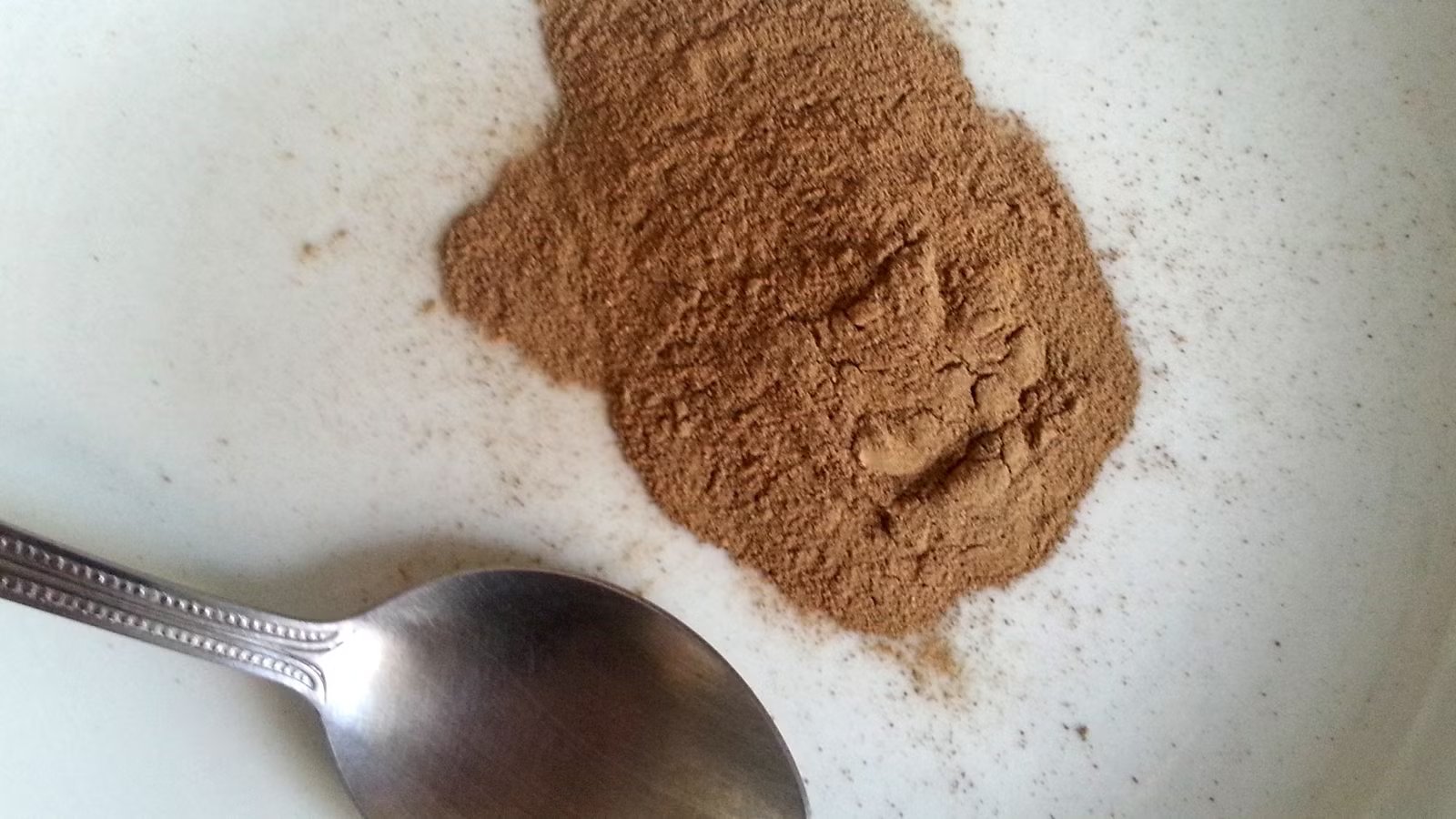
Veterans who received psychiatric therapy using the substance ibogaine to treat PTSD and other mental health conditions have detailed positive results one year after their treatment, according to a new study.
The majority of those who went into remission from their conditions after treatment sustained this remission 12 months on, according to a Stanford Medicine study released Tuesday of 30 special forces veterans suffering with mental health conditions connected to traumatic brain injuries (TBI).
President Donald Trump issued an executive order in April, calling on the U.S. Food and Drug Administration (FDA) to facilitate access to psychedelic drugs, including ibogaine compounds, psilocybin, ketamine, LSD and MDMA, for eligible patients suffering from major depressive disorder and substance abuse disorders.
Ibogaine is a Schedule I controlled substance in the U.S. due to documented cardiac risks. Proponents have touted it, though, saying it can treat severe PTSD by promoting neuroplasticity and eliminating opioid withdrawal symptoms.
President Donald Trump speaks while behind him, from left, Dr. Marty Makary, commissioner of the Food and Drug Administration, U.S. Secretary of Health and Human Services Robert Kennedy Jr., Joe Rogan, CEO of Americans for Ibogaine W. Bryan Hubbard and retired U.S. Navy Seal Marcus Luttrell listen in the Oval Office of the White House, Saturday, April 18, 2026, in Washington. (AP Photo/Julia Demaree Nikhinson)
The new study contributes to this body of research and could prove instructive to those wishing to use it to help veterans and civilians more broadly with poor mental health.
Two Dozen Veterans Report Excellent Progress
The veterans, 23 of whom reported having a PTSD diagnosis, received treatment in Mexico.
One month after treatment, those with PTSD said their symptoms had improved by 88% while those with depression said their symptoms had improved by 87%. Anxiety symptoms improved by 81%, and 19 of the 23 veterans with PTSD achieved remission within days.
Of the 25 veterans who completed a one-year follow-up, researchers found that of those who achieved remission soon after the treatment, the likelihood of sustained remission at 12 months was 84% for PTSD, 66% for depression and 61% for anxiety.
Every June the Air Force Medical Service joins the services in bringing awareness to PTSD prevention and support. (U.S. Air Force illustration by Jazmine Gutter-Robbins)
The researchers published their findings in the journal Translational Psychiatry on Aug. 12 and discussed it in a Stanford Medicine Blog on Tuesday.
“Over the course of the year, there were improvements that weren’t just rapid but surprisingly sustained for what we normally see in psychiatry,” said Camarin Rolle, clinical assistant professor of psychiatry and behavioral sciences and the study’s co-senior author. “We saw persistent reductions in PTSD, depression, anxiety and functional disability.”
Afik Faerman, a former postdoctoral scholar in psychiatry, is the other co-leading author of the study. The other co-senior author was Nolan Williams, professor of psychiatry and behavioral sciences, who died last year.
Steve and Genevieve Jurvetson, the Effie and Wofford Cain Foundation, Eugene Jhong, Laura Keller, Veterans Exploring Treatment Solutions (VETS), and a Canadian Institutes of Health Research Fellowship all contributed to funding the study.
Ex-Green Beret Said Brain ‘Soothed’ From Ibogaine Use
Patrick Flatley, a former Green Beret who toured Iraq and Afghanistan and suffered traumas including a broken back, reportedly said he felt immediately better after using ibogaine in 2022.
“My head started to tingle,” Flatley said. “I could feel my brain getting soothed, like it was getting what it needed.”
Staff Sgt. Megan Krause, an Army Reserve medic who has served in Iraq and Afghanistan, hopes to help other servicemembers by telling her story of seeking help when post-traumatic stress had her spiraling out of control. (Courtesy photo/DVIDS)
“Before, I would wake up and just be angry about something that happened 30 years ago, 20 years ago, 10 years ago—and it was consuming me,” he added. “Now, some things still piss me off, but I can say, ‘I’m not spending any more time being mad.’”
Overall, the VA is involved in 20 active clinical trials in which they are testing psychedelic therapies for mental health conditions.
Some 7 out of every 100 veterans will have PTSD at some point in their life, according to Department of Veterans Affairs (VA) research. This is more than the general population, in which 6 out of every 100 adults, or 6%, will have PTSD in their lifetime.
