


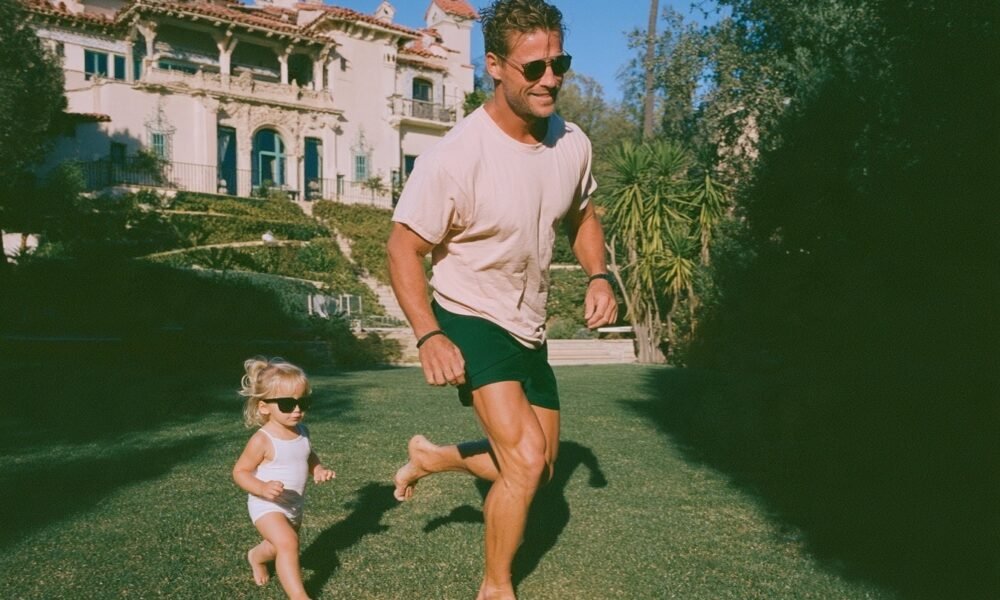
There’s something about walking barefoot across a stretch of proper grass that fake stuff just can’t touch. You know the feeling. That slightly cool, springy softness underfoot on a warm afternoon. Artificial turf, for all its convenience, tends to feel a bit like walking on a doormat by comparison.
And yet, more and more people are ripping out their lawns and rolling out plastic. The pitch sounds tempting. No mowing, no watering, no fuss. But here’s the thing, real turf brings a whole lot to the table that the synthetic version simply can’t replicate, no matter how clever the marketing gets.
The Feel Test Nobody Talks About
Picture this: it’s the middle of summer, and someone lets the kids loose in the backyard. On real grass, that’s a pretty comfortable setup. On artificial turf? That stuff can get properly hot. Like, “ouch, my feet” hot. Plastic absorbs heat and holds onto it, which is why a synthetic lawn on a scorcher can feel closer to a frying pan than a play area.
Real grass does the opposite. It actually cools the air around it. Ever noticed how much fresher a garden feels on a hot day compared to a paved courtyard? That’s not your imagination. Living grass releases moisture and knocks the temperature down naturally.
It’s Actually Doing Something for the Planet
Here’s a bit most people don’t think about. A healthy lawn works away quietly in the background, pulling carbon dioxide out of the air and releasing oxygen. It filters rainwater before it soaks into the ground. It gives insects, worms and all sorts of tiny creatures a place to live.
Artificial turf does none of that. It sits there. And when it eventually wears out, usually after a decade or so, it heads straight to landfill because it can’t be recycled easily. Not exactly the eco-friendly choice some folks assume it to be.
The truth is, a well-kept patch of real grass is a small ecosystem doing real work. That’s worth something.
Yes, There’s Effort. Let’s Be Honest About It.
Nobody’s going to pretend real turf looks after itself. It needs mowing. It needs a drink now and then. Every so often it wants a bit of feeding. This part’s a bit of a commitment, no getting around it.
But the effort tends to get exaggerated. A lot of the hard work happens at the start, when you’re choosing the right variety for your climate and soil. Get that bit right and the ongoing care becomes almost second nature. Some grass types are surprisingly tough and need very little water once they’ve settled in.
That’s where doing your homework pays off. Different varieties suit different conditions, and picking the wrong one is how people end up frustrated. If you want a proper look at what actually works where you live, the folks at All Year Round Turf have a solid rundown of options worth checking out before you commit to anything.
The Long Game
Artificial turf usually costs more upfront than most people expect. Then there’s the replacement cost down the line. Real turf, once established, keeps going year after year with just a bit of regular attention.
And it kind of improves with age, oddly enough. A lawn that’s been cared for develops this thick, healthy quality that new turf takes time to reach. It becomes part of the place. Somewhere the dog naps, the kids build forts, and you flop down on a Sunday afternoon with zero regard for grass stains.
Can you say that about plastic? Not really.
So, Is It Worth It?
Look, if someone genuinely can’t spare ten minutes a week for a bit of garden care, artificial turf might tick their box. Fair enough. But for most people, the trade-off leans heavily toward the real thing.
The smell of fresh-cut grass. The cool patch under a tree in summer. The way a proper lawn just feels alive. These aren’t things you can fake, however hard the synthetic stuff tries.
A little effort goes a long way here. And the payoff, honestly, is one of those simple pleasures that’s easy to forget until you’re lying on it, looking up at the sky, thinking yeah, this was the right call.
The post Nothing Beats the Real Thing: Why Real Turf Grass Is Worth the Effort appeared first on Addicted 2 Success.
