


Colorado is a great place to live because of the state’s commitment to building vibrant, connected communities. At the same time, many are grappling with anxiety, loneliness, uncertainty and disconnection. We are searching for ways to strengthen mental health and improve well-being. As we consider where to put resources, we should take stock of the programs and institutions that support overall health and well-being. This includes the arts.
The arts are not just a form of entertainment. They give us ways to express what words cannot, make meaning from experiences, and imagine possibilities beyond our current circumstances. Research tells us that making and experiencing art contributes to well-being. That does not mean art is a panacea. Rather, artistic experiences help us grapple with life’s complexities more effectively.
Nearly 21% of Coloradans ages 5 and older reported experiencing poor mental health in 2025; and while conditions have improved, rates remain among the highest seen in recent years, a troubling reminder of the mental-health challenges facing Coloradans.
Art has the capacity to lead us through. Creative practice asks us to pay attention and to be in the present. It gives form to feelings that may otherwise seem confusing or overwhelming. It can help us slow down, make wise choices, tolerate frustration and begin anew. We often experience a “flow” state where we lose track of time and become absorbed, giving us a reprieve from worry and everyday stress. Making art can also give us a break from rumination, even if you are not a professional artist.
For Colorado’s youngest, well-being is more than a mental-health diagnosis. It is also whether they are developing the intellectual curiosity and resilience they need to thrive. Creative practice can foster confidence. You learn a technique, solve a problem, or discover that you can make something that did not exist before.
Those experiences can strengthen self-confidence and shape character. The value is not necessarily in what is produced. Instead, it lies in the process itself and a willingness to see what emerges.
Experiencing art changes us as well. Standing in front of a painting, listening to music, or attending live theater can provide a much-needed interruption to everyday struggles. But barriers to access still exist. Rural Coloradans and some urban communities lack access to arts programs and organizations. Continued investments from public and charitable sources can bridge this divide and open creative doors for Coloradans.
Art also gives us access to other people’s experiences. A photograph, song, performance, dance or story can help us encounter a life different from our own without reducing that life to a statistic or argument. We could use a little more of this. Art expands perspective, adds humanity to our everyday world, and has been associated with empathy and prosocial behavior.
Fortunately, Colorado is slated to invest in these compelling stories over the next several years. Access to these experiences should not depend on your zip code or classroom budget. Understanding interconnectedness in a divided world will help Colorado excel today and in the future.
Colorado’s public health system is shaped by more than hospitals and healthcare costs. The places where we live, learn, work and gather help shape our well-being. Our built environment — where the arts are visible and readily available — is where the public-health potential of the arts becomes most visible.
Social practice art like murals or community performances does more than produce artwork. It creates a reason for people to gather. Aesthetic experiences associated with health messages may be more transformative and have a wider reach than traditional public health channels.
Over time, those experiences can build trust and belonging, which are essentials in good health. Communities are not resilient simply because they can cope better. They are resilient when people have relationships and a sense that they matter.
This is why the arts belong in conversations about public health. Supporting the arts does not mean asking artists to become therapists or claiming that every creative activity is a health intervention. Rather than asking if the arts are important, we should assert that they are essential. Benefactors can support arts and cultural programs as part of a healthy community.
Policymakers can protect opportunities for creativity rather than treating them as expendable. Healthcare leaders can partner with cultural organizations to create more humane spaces and opportunities for expression. Communities can make art accessible in public places.
As the new school year is upon us, let’s take stock. The arts are not at the edge of well-being. They belong at its core.
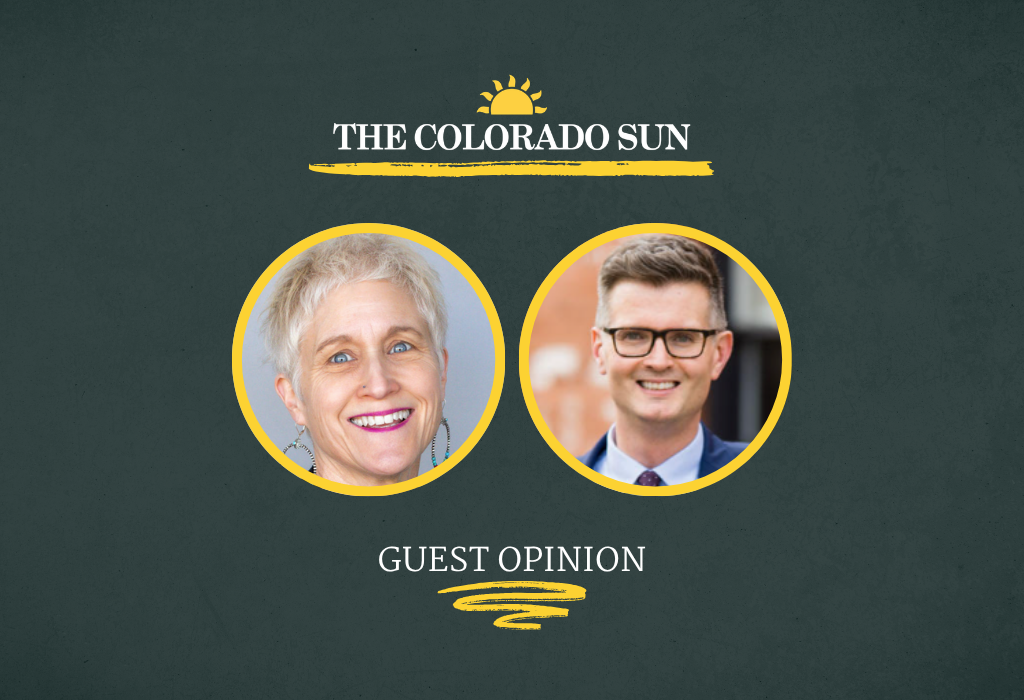
Annie Collier, of Denver, is an associated clinical professor at the Colorado School of Public Health and holds a Ph.D. in clinical psychology and is a clinical health researcher focusing on community-driven behavioral health and wellness programs, especially those that incorporate the arts.
Travis Leiker, of Denver, holds a master’s degree in public administration and is a public affairs strategist and higher education executive who specializes in cross-sector partnerships and civic initiatives.
The opinions expressed here are theirs and do not reflect an official position on behalf of the Colorado School of Public Health, University of Colorado, or other organization.
The Colorado Sun is a nonpartisan news organization, and the opinions of columnists and editorial writers do not reflect the opinions of the newsroom. Read our ethics policy for more on The Sun’s opinion policy. Learn how to submit a column. Reach the opinion editor at opinion@coloradosun.com.
Follow Colorado Sun Opinion on Facebook.
Type of Story: Opinion
Advocates for ideas and draws conclusions based on the author/producer’s interpretation of facts and data.
