


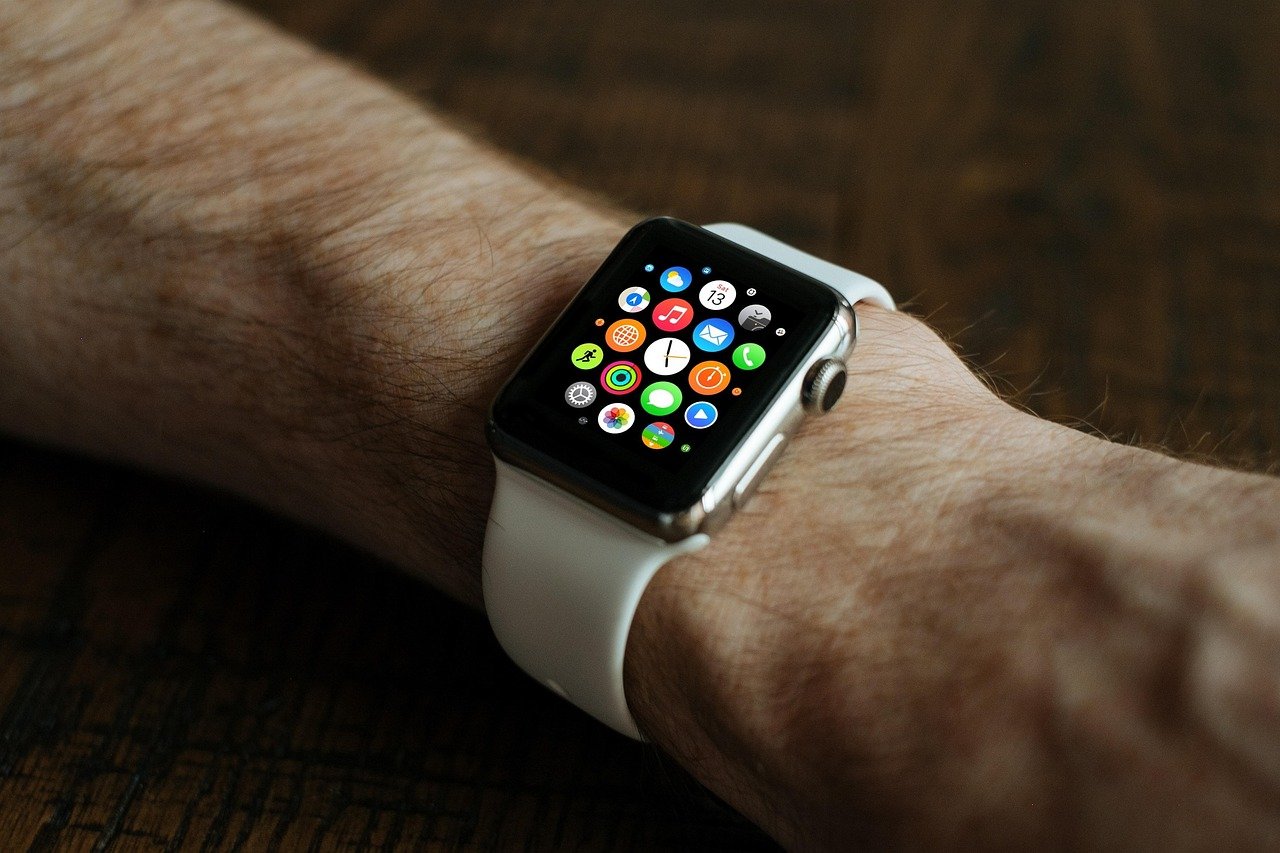
India recognises an assistive device by what it was built to be, not by what it does for the person using it. A wheelchair is on the list. A smartwatch that alerts a deaf user when their phone is ringing is not on the list and is taxed as an ordinary consumer electronic. Smt. Manmeet Nanda, Additional Secretary, Department of Empowerment of Persons with Disabilities (DePwD), floated a way around this at a report launch on September 23. Recognise a product as having an assistive use, she suggested, rather than classify it as an assistive device.
Why it matters: Classification decides price. Devices on the government’s assistive list attract a concessional 5% goods and services tax (GST), against 18% on ordinary electronics. They also qualify for purchase support under a Union scheme. Affordability is the most common barrier to assistive technology in India. This is one of the levers that sets it.
What the report found
Incidental Accessibility: How Mainstream Technology Is Expanding Accessibility in India, published by The Quantum Hub (TQH), follows five people who use ordinary consumer technology as assistive technology: AI-enabled smart glasses, smart speakers, dictation software, a smartwatch’s haptic alerts and noise-cancelling headphones. The report was funded by Meta, whose AI-enabled smart glasses are one of the five technologies it examines. TQH’s disclosure states that funders shape research scope, provide methodological inputs and share feedback, and that it retains full editorial independence and sole responsibility for its analysis and recommendations.
Several chose these over dedicated assistive devices for reasons beyond function. Consumer products are usually cheaper. They also do not announce a disability to a room, which the report records as a reason in itself.
It calls the pattern a reverse curb-cut effect. The original curb-cut effect describes disability-driven design crossing into general use, as ramps and captions did. Here a mainstream product travels the other way and acquires an assistive function. India’s fiscal framework recognises the first direction of travel and not the second.
How recognition actually works
Two mechanisms determine recognition, and both rely on predefined lists.
A device qualifies by appearing on one of those lists. Nothing in either turns on what the device enables for a particular person. The Divyang Sahara Yojana, announced in the Union Budget for 2026-27, funds assistive-device manufacturing and retail centres. It works the same way, funding what is already classified as assistive.
The official’s proposal
The DePwD official suggested shifting the focus from what a device is to how it is used. Reasonable accommodation under Indian disability law is defined by what a particular person needs, she said. The Delhi High Court applied that principle in October 2025, when it quashed the Airports Authority of India’s rejection of a blind candidate in Mudit Gupta v Airport Authority of India. On that logic, software that helps someone with ADHD write faster is a reasonable accommodation for that person, whatever it is for anyone else.
Her warning was about the alternative. Classify mainstream products as assistive devices, she argued, and you slow them down: standards, certification and quality benchmarks would attach, and adoption would suffer. That would reproduce the barriers that made dedicated assistive technology expensive in the first place. Its case is that fiscal, procurement and accommodation frameworks should recognise assistive use without requiring formal classification.
Neither says how a tax authority would decide that a particular purchase is an assistive use. Doing so without building the certification machinery both want to avoid is the unanswered question. That leaves an implementation question for the Finance Ministry.
There is a second asymmetry in what the report asks for. On tax and procurement, it wants assistive use recognised without formal classification. On standards, it asks only that accessibility be encouraged earlier in design. Taken together, that would give a manufacturer the benefits of assistive recognition without the obligations that usually accompany it.
The standards side is moving slowly
Section 40 of the RPwD Act, 2016 requires the government to set accessibility standards for information and communication technology. Section 42(iii) goes further, requiring everyday electronic goods to follow universal design. IS 17802, released by the Bureau of Indian Standards (BIS) in 2021, turns that into testable criteria.
In Rajive Raturi v. Union of India (2024 INSC 858), the Supreme Court of India held that Rule 15 of the RPwD Rules failed this mandate. The judgment was delivered on November 8, 2024. The Act’s language was mandatory; the rule offered persuasive guidelines. The Court found Rule 15 ultra vires and directed the government to frame mandatory rules within three months.
Almost two years later, DePwD’s draft amendment rules on non-negotiable ICT accessibility standards, notified for comment as S.O. 3962(E) on July 16, 2026, remain a draft. They are not in force, and nothing in them has legal effect yet. The official said the department was working towards notifying the rules around January 2027. She also said accessibility should be written into government procurement through the General Financial Rules. Both need confirming.
Meanwhile, a device reaches the Indian market through BIS registration and wireless-planning clearance. Some telecom equipment also needs mandatory testing and certification. Accessibility is not generally assessed as a distinct consideration in any of them. A product can clear every gate for safety, spectrum and security with its accessibility untested.
What MediaNama has asked
MediaNama has written to DePwD, the Ministry of Finance and TQH.
We asked DePwD:
- Is any mechanism under consideration to recognise assistive use of a mainstream device for ADIP or GST purposes, without reclassifying the device?
- When will the draft ICT accessibility rules be notified, and how many comments were received?
- Will accessibility be built into procurement under the General Financial Rules, and by when?
We asked the Ministry of Finance:
- Has the GST Council considered extending concessional treatment to mainstream devices bought for an assistive purpose?
- On what basis is the assistive devices annexure revised, and when was it last reviewed?
We asked TQH:
- The report recommends recognising assistive use without formal classification. Who would certify that a particular purchase is an assistive use, and on what evidence?
- On tax and procurement, the report asks for recognition without classification, while on standards it asks that accessibility be encouraged earlier in design. Does that combination risk giving manufacturers the benefits of assistive recognition without the accompanying obligations?
- Has TQH put the notice-accessibility, incidental-capture and anonymisation questions to MeitY directly, and has it had any response?
- What role did Meta play in shaping the research scope, the choice of the five technologies, or the recommendations? Did it see or comment on drafts?
- The five interviewees were all able to afford the devices they describe, while the report finds affordability to be the most common barrier. How did TQH weigh that in framing the fiscal recommendation?
- Were the safeguards described in the data protection chapter independently tested, or reported as the manufacturers described them?
This copy will be updated with responses as they come in.
Also read:
