


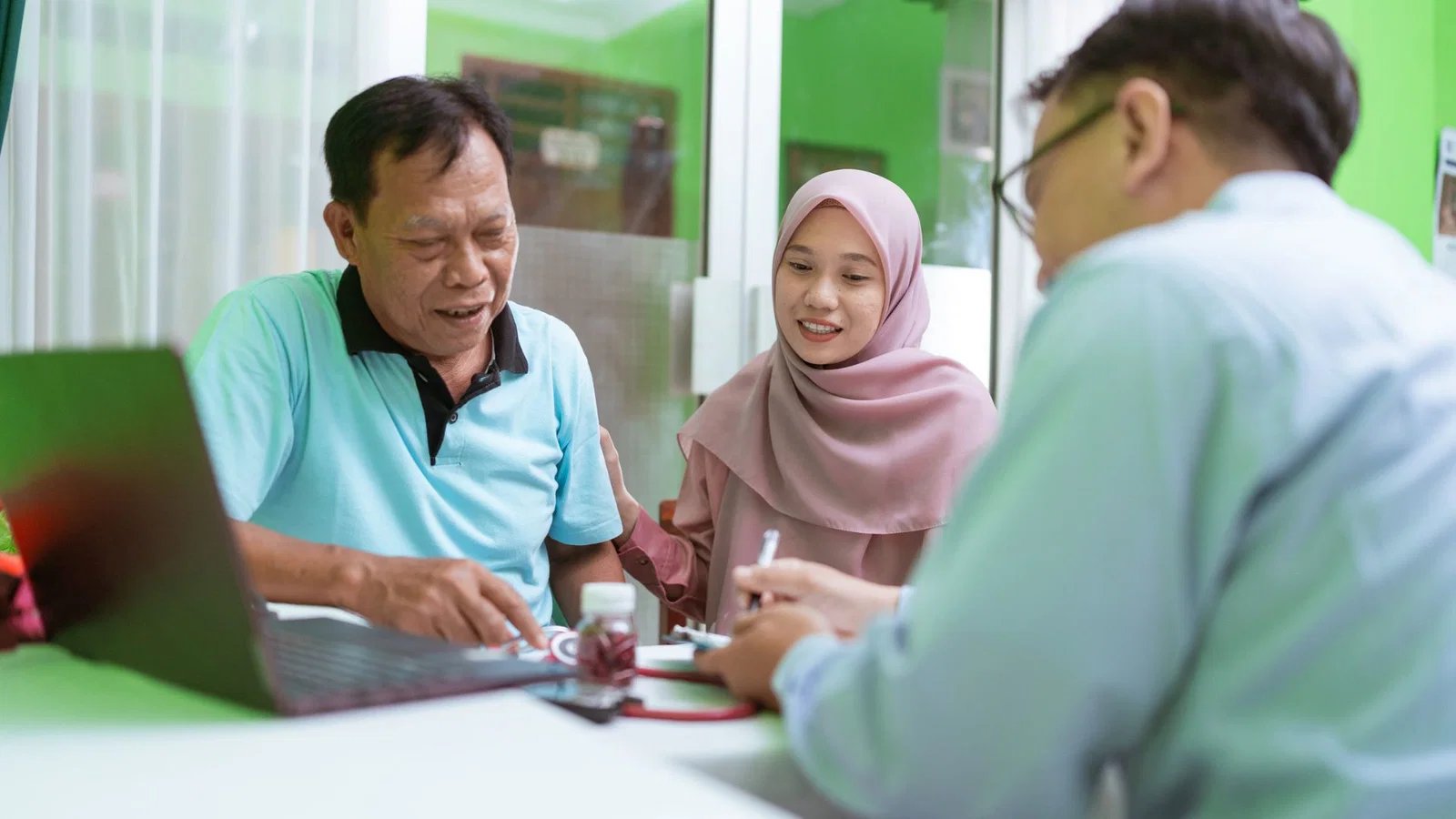
While 85% see health and self-care as important to maintaining autonomy, less than three in 10 are taking the right measures – be it health screenings or building social connections.
For many Malaysians, independence in later life is no longer defined only by having enough money for retirement. It is increasingly tied to something more immediate: staying healthy enough to make personal decisions, manage daily life and avoid relying heavily on family members.
That is one of the findings from the Manulife Asia Care Survey 2026, released in August 2026, which gathered responses from more than 9,000 people across Asia, including 1,000 Malaysians. The survey suggests that Malaysians see health as a core part of preserving autonomy as they age, but there remains a gap between recognising its importance and taking preventive action.
Nearly nine in 10 respondents said preserving independence and self-reliance was their main goal for longevity. At the same time, 85% said preventive healthcare and positive self-care habits could help them maintain autonomy in later life.
For respondents, the ability to remain active, make choices and meet their own needs is closely connected to physical health, financial preparedness and access to care.
Everyday habits matter most
When asked about the habits they use to support their wellbeing, Malaysians pointed primarily to practical, everyday actions.
The most common were:
- Staying physically active — 44%
- Eating well — 42%
- Engaging in hobbies — 41%
- Spending time with loved ones and pets — 37%
Regular movement and a balanced diet are widely associated with healthier ageing, while hobbies and social contact can help people retain a sense of purpose and connection. Together, these habits may support the confidence and capability needed to continue living on one’s own terms, the survey highlighted.
However, the survey also added that Malaysians may be more likely to practise general self-care than to take formal preventive steps.
Only 27% of respondents said they had undergone preventive health screenings aimed at reducing the risk of chronic illness. Meanwhile, just 26% said they actively invest in building social connections.
That gap matters. Health screenings can help identify conditions earlier, before they become more difficult and costly to manage. Social ties are equally important, particularly in later life, when isolation can affect mental health, emotional resilience and the ability to cope with changing care needs.
Independence has a financial dimension too
The findings also underline that health and financial security cannot be separated.
More than half of respondents (56%) said they were concerned about the financial effect of unexpected expenses in later life. Meanwhile, 70% were worried about their ability to pay for future care needs, higher than the Asia-wide average of 66%.
Malaysians estimate they will need RM4,760 a month to cover future care costs. Younger adults aged 18 to 24 expect the highest monthly need, at RM5,595.
These concerns may explain why respondents place such strong value on self-reliance. Four in five believe that maintaining their own independence and financial security is among the most meaningful legacies they can leave their families.
The survey found that respondents would allocate 68% of their assets to their own long-term health and financial wellbeing, compared with 32% intended as financial inheritance for their children.
This reflects a shift in the traditional idea of legacy. Rather than focusing solely on what can be passed down financially, many Malaysians appear to see staying healthy, financially stable and less dependent on their families as an equally meaningful contribution.
Family responsibilities may possibly delay self-care
For some Malaysians, especially those in the sandwich generation, prioritising their own health is not always easy.
In fact, two-thirds of respondents said they provide care and financial support for family members, spending an average of 41% of their monthly income on family needs. Among those balancing responsibilities for both ageing parents and dependent children, 68% said family financial commitments limited their ability to build long-term self-reliance.
More concerningly, 60% said they had delayed seeking medical care because of family commitments.
This points to a practical challenge: people may understand that preventive care matters, but caregiving duties, time pressures and financial constraints can make it difficult to put that understanding into action.
The stakes are high: Malaysians expect they will require around 17 years of care later in life, compared with a regional average of 14 years, according to the survey. Preparing for those years will therefore require more than savings alone. It will also mean taking steps earlier to protect health, maintain social support, and plan for potential care needs.
READ MORE: 8.5mn workers remain covered by LINDUNG 24/7 after-hours protection
