


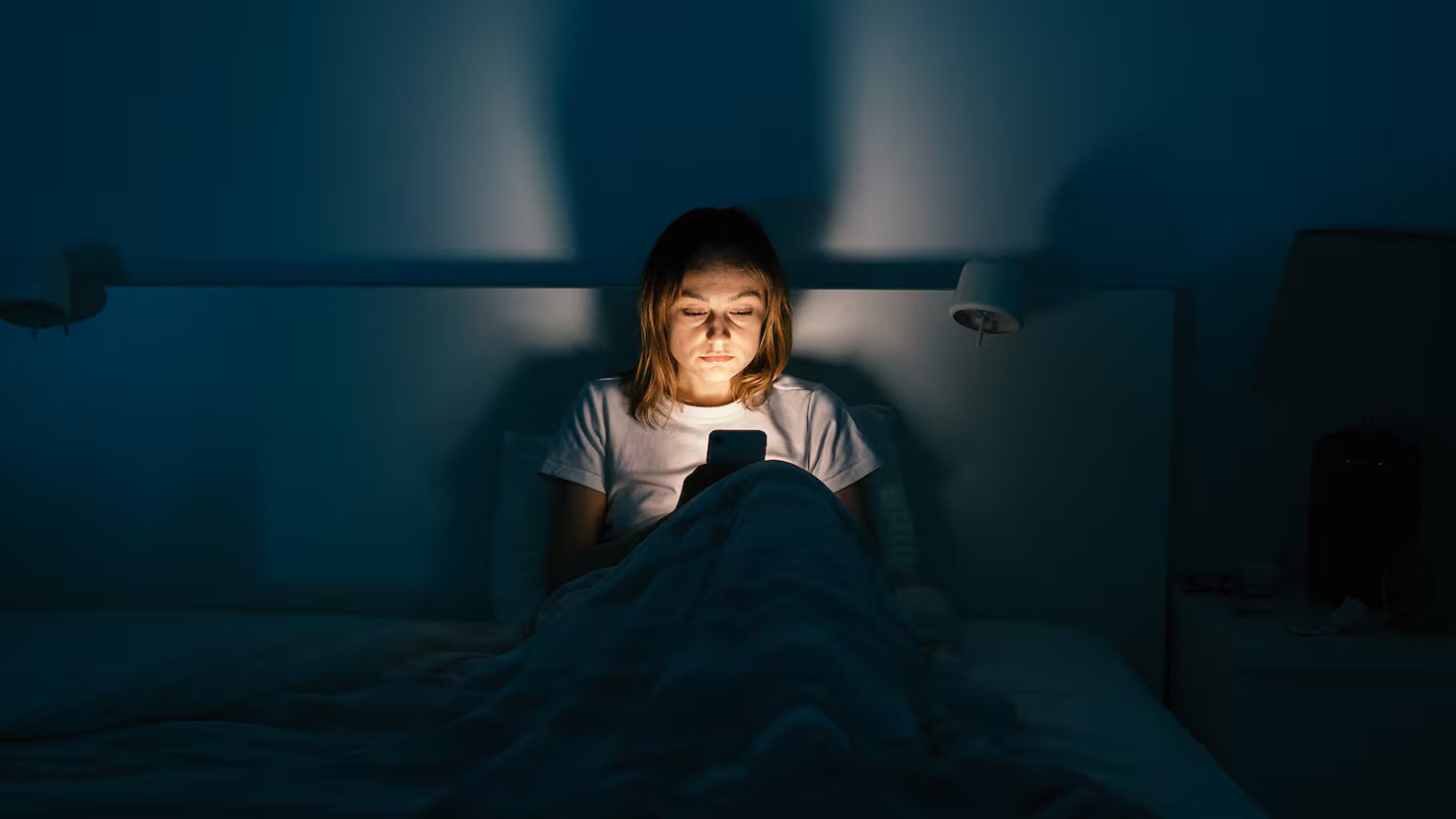
For some people, it sounds like a nightmare. For others, spending a weekend alone in your own home, surrounded by your books, movies, favorite food, comfortable clothes, music and couch feels like pure bliss. It is the perfect way to quiet the mind and truly rest.
Some people are always chasing more. But those who can find contentment at home, in their own space, wherever that may be, and who genuinely enjoy that peace and tranquility already possess something invaluable.
Far from being a sign of withdrawal, staying home on weekends can actually reflect psychological balance, self-awareness and emotional maturity. In a society that often mistakes constant activity for fulfillment, these strengths frequently go unnoticed, yet they help sustain lives that are more authentic and intentional. The next time someone questions the decision to stay in, it is worth remembering that well-being is not measured by the number of social events on your calendar, but by how closely your choices align with your deepest self.
For years, popular culture has sold the idea that a fulfilling life is measured by plans, parties and a packed schedule. Yet a growing body of psychological research is challenging that myth. Far from signaling isolation or apathy, a preference for spending weekends at home can reveal a set of profound psychological strengths, many of which remain invisible in a society that glorifies nonstop social activity.
Below are eight personality traits that experts say are commonly found in people who see their home as the best place to recharge.
Deep self-reflection: The power of listening to yourself
People who enjoy voluntary solitude often possess an exceptional ability to examine their inner world. Without the constant noise of social interaction, they can process emotions, evaluate decisions and identify personal patterns that often go unnoticed amid the rush of everyday life.
In a world that rewards speed, taking time to think becomes an act of courage. From a psychological standpoint, this kind of self-reflection is associated with:
- Greater emotional intelligence
- More thoughtful decision-making
- Clearer personal boundaries
Genuine creativity: When the mind has room to breathe
Creativity thrives in quiet spaces. Science supports the idea that periods of low stimulation encourage the incubation of original ideas. Without the pressure to please others or conform to a group, the mind is free to wander, connect concepts and explore possibilities.
Solitude, far from being empty space, is fertile ground for innovation. This creativity extends far beyond the arts. It also shows up in:
- Problem-solving
- Personal innovation
- Independent thinking
Emotional resilience: Stability from within
People who are comfortable in their own company do not rely on external stimulation to regulate their emotions. This emotional independence is linked to lower levels of anxiety and a greater ability to cope with challenges.
The resilience that emerges from chosen solitude is not isolation. It is emotional self-sufficiency. It makes it possible to build healthier relationships grounded in choice rather than need.
Sensory awareness: A sensitivity that enriches life
The quiet of home allows people to notice subtleties that noisy environments often obscure: shifting light, distant sounds, the texture of a moment. It is a form of mindful presence that transforms ordinary experiences into meaningful ones.
This heightened sensitivity is associated with greater empathy, sharper intuition and a deeper appreciation for beauty.
Strong personal boundaries: The value of saying “no”
Choosing to stay home when social expectations say otherwise requires an uncommon degree of inner clarity. It means prioritizing personal well-being over external pressure.
In a culture that celebrates constant availability, setting boundaries is a radical act of self-care. People with strong boundaries tend to:
- Protect their energy more effectively
- Avoid toxic dynamics
- Manage relationships and responsibilities in healthier ways
Deep focus: Attention as a superpower
The ability to concentrate without interruption has become a scarce resource. Those who spend more time at home often develop a sustained level of focus that enhances learning, productivity and personal satisfaction.
Silence becomes a powerful cognitive ally. This kind of concentration, often referred to as deep work, is essential for:
- Mastering complex skills
- Making meaningful progress on personal projects
- Entering states of flow
Appreciating life’s simple pleasures: The maturity of what matters
Finding joy in everyday moments is a strong indicator of psychological well-being. People who enjoy being at home often value simple rituals: a cup of coffee, a conversation free from digital distractions, organizing a room or simply enjoying a moment of calm.
Happiness doesn’t depend on constantly seeking something new. Research suggests that this capacity is associated with:
- Greater life satisfaction
- Lower levels of materialism
- Deeper relationships
Intrinsic motivation: Living authentically
People who prefer staying home are often guided by genuine interests rather than social expectations. This intrinsic motivation leads to decisions that are more closely aligned with personal identity and values.
Chosen solitude creates space for discovering what truly drives us. The result is a life built around more meaningful projects, authentic hobbies and lasting psychological well-being.
Related stories
Get closer to the game! Whether you like your soccer of the European variety or that on this side of the pond, our AS USA app has it all. Dive into live coverage, expert insights, breaking news, exclusive videos, and more. Plus, stay updated on NFL, NBA and all other big sports stories as well as the latest in current affairs and entertainment. Download now for all-access coverage, right at your fingertips – anytime, anywhere.
And there’s more: check out our TikTok and Instagram reels for bite-sized visual takes on all the biggest soccer news and insights.
