


When you think of strength, what initially comes to mind? Physically and mentally strong. The ability to endure anything. Get up every time we fall. Never let adversity bother or affect us.
In this list, did telling someone you’re not OK hit your radar? Saying, “I’m struggling, can we talk?” While this expression, especially in men, may be farthest from your perception of strength, I want to share my own brief story for you as we enter Suicide Prevention Awareness Month.
I lost both of my fathers in 2020. I lost my stepdad to cancer in March, less than three months after his diagnosis. Five months later I lost my dad to suicide. What I hadn’t shared until this past April was that I witnessed my dad’s suicide. I was in the room when it happened.
These experiences, with my dad’s struggles leading up to the night of his passing, gave me my first true glimpse into the world of mental health. I’ve worked in health and wellness for almost 20 years now but primarily on the fitness side. We all experience a range of emotions, but never had I experienced any of them to such an extreme degree.
Sadness, guilt, loneliness, frustration, anger and flat-out confusion turned my world upside down. Pair that with my wife and me getting pregnant two months later and you have a recipe for a man who would probably benefit from talking to someone.
And that’s exactly what I did.
My journey started with conversations with those closest to me: my wife, best friends and mentors. I began individual therapy and later joined a support group for people who had lost someone to suicide. If strength is what I described, what are all of these people doing talking about their emotions and problems? Well, I can tell you.
They are being incredibly strong, brave and resilient as they challenge the stigma surrounding conversations about suicide with every breath, tear and tremble in their voices. Experiencing this survivor group and proceeding down my own path of sharing my story has led me to this conclusion. Strength comes in many forms.
This past April, I published the book “Broken, but Breathing: A Story of Heartbreak, Healing, and Hope.” Five years earlier, the last thing I would have imagined was writing publicly about these experiences. I just wanted to “fix” myself and move on. However, through conversations with friends and family, therapists and fellow survivors, I eventually felt compelled to share my own story. That started with a few articles and ultimately led to this book, which shares my experiences while exploring the dimensions of wellness and building blocks I used to heal, rebuild, and eventually reach a point where I am thriving.
That would not have happened if I stuck with the “fix it” approach. Jamming emotions down wouldn’t have allowed me to explore what I was feeling in the moment to where this grief was actually taking me. Surprisingly, it’s led me down a path in my career that I would have never felt comfortable sharing before: mental health.
Therein lies part of the problem. According to the Centers for Disease Control and Prevention, men are nearly four times more likely to die by suicide than women. While there are many factors behind that statistic, I believe we need to consider how our perception of strength can make asking for help so difficult. Well, if you broke your leg, what would you do?
If you are struggling emotionally or psychologically, it’s no different. You don’t need to jump right into therapy. Start with someone you trust and know will listen without judgment. From there it may lead to conversations with others, but start as small as you need to.
If you have someone in your life who you think may be struggling, simply say something. Sending a text with, “how ya doing?” then getting “fine, hbu?” could be a start, but please don’t stop there. In a tech-heavy world, listen to your heart. If you feel someone close to you is struggling, meet up in person or get on the phone with them. Talk to them. Be with them. You probably won’t have a solution to all of their problems. Sometimes they may just need your presence more than they need your words.
As we recognize Suicide Prevention Awareness Month, remember that strength doesn’t always mean doing it alone. Sometimes strength is saying, “I’m struggling.” Sometimes it’s asking someone else if they’re really OK. And sometimes, it’s just being there.
Even in our darkest seasons, there can still be light ahead. Let others in on your journey, and that light may shine brighter than if you were alone. Start small. Reach out. Keep moving forward. The world is a better place with you in it.
Mental health resources
988 Suicide & Crisis Lifeline: Call or text 988 or visit 988lifeling.org to chat online 24/7
Centre Helps: 24/7 help by calling 814-237-5855 or dialing 988
Center for Community Resources: walk-in center at 2100 E. College Ave., State College is open 24/7
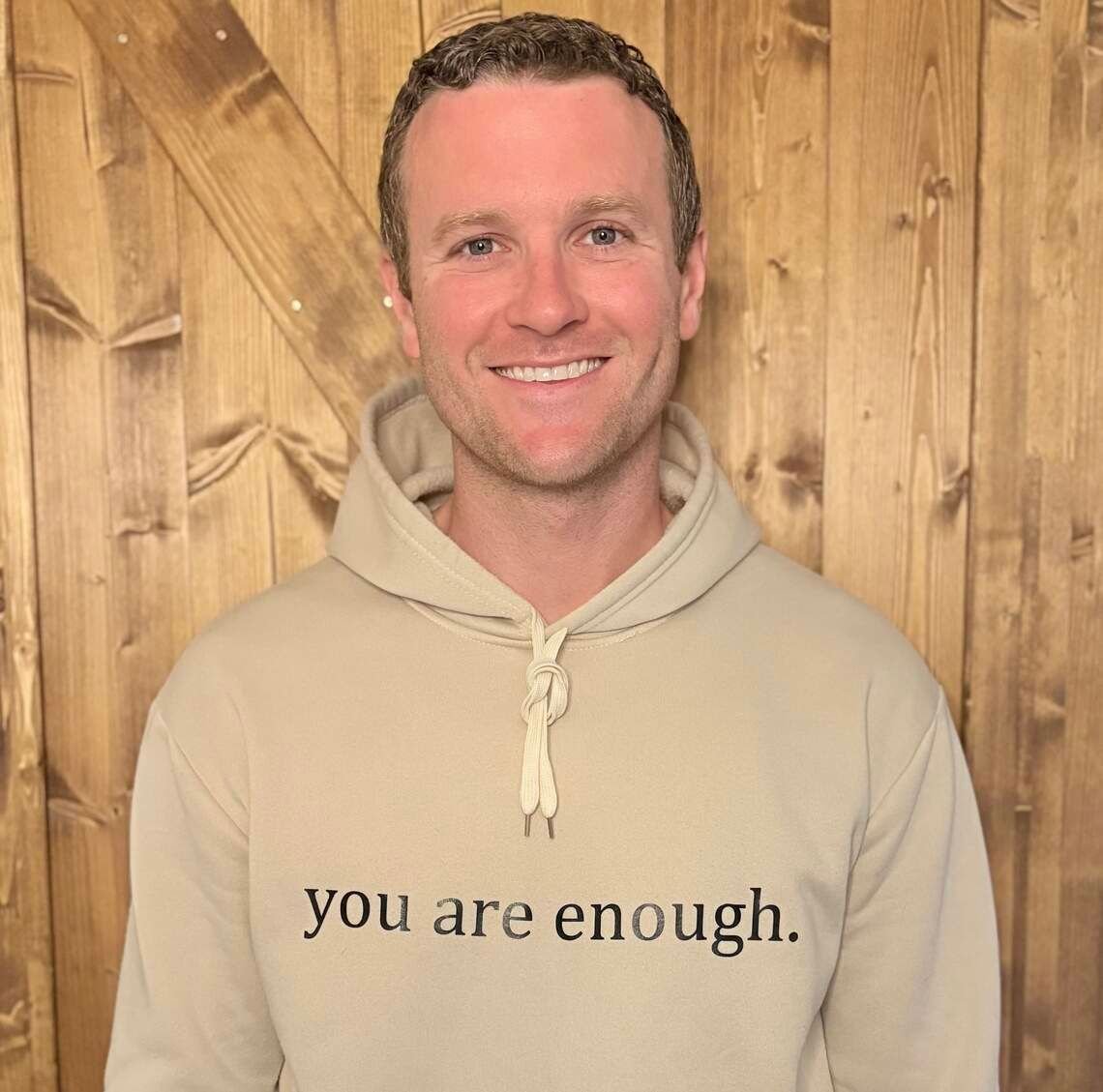
John Valentik is an assistant teaching professor of kinesiology at Penn State, author of “Broken, but Breathing: A Story of Heartbreak, Healing, and Hope” and owner of Happy Valley Wellness Solutions. His book is available on Amazon, with a portion of the royalties donated to organizations dedicated to suicide awareness and prevention.
