


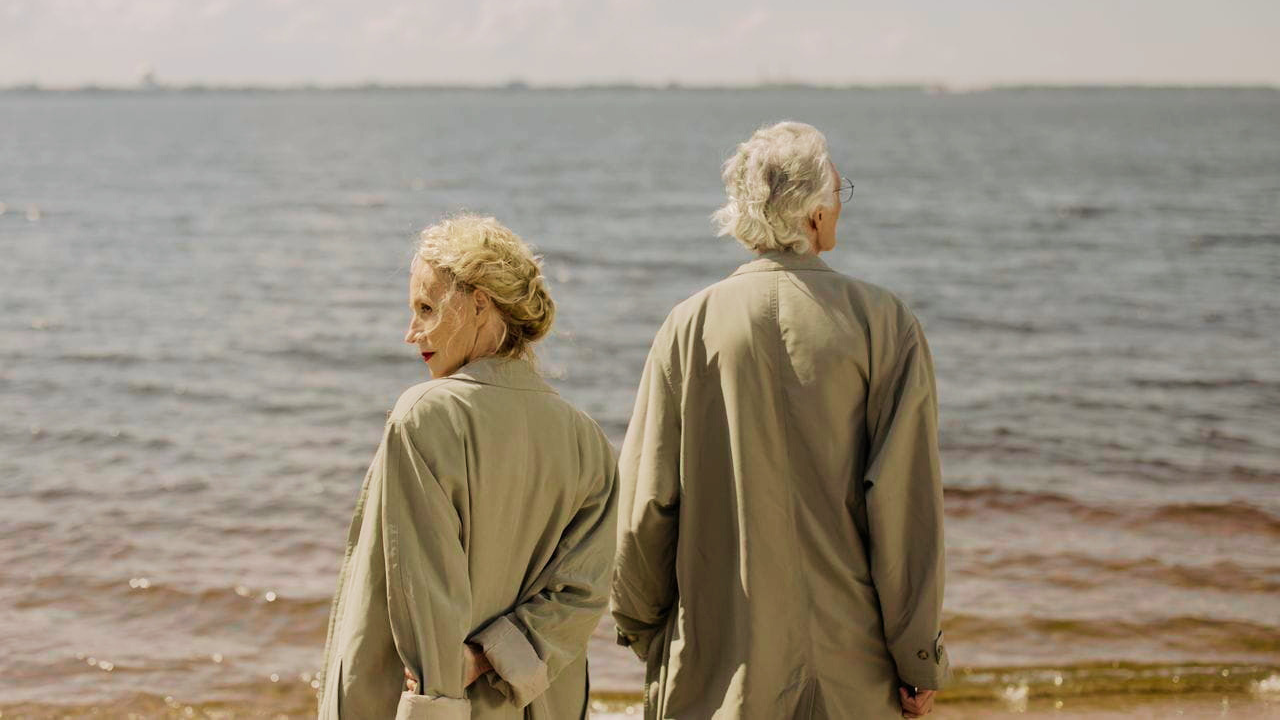
I remember my parents’ divorce growing up. It wasn’t uncommon.
In fact, one of my best friend’s parents was also going through a divorce at the same time. But today, there’s a bit of a shift happening. A shocking number of divorces aren’t happening while the kids are still in school.
More couples in their fifties, sixties, and beyond are going their separate ways.
So what’s actually going on here?
What’s driving this surge?
What is Grey Divorce?
Grey divorce is divorce that happens later in life, usually at age 50 or older, and often after a marriage that’s spanned across decades.
For reference, here are some of the stats:
- Around 36% of people divorcing in the US today are 50 or older (up from just under 9% back in 1990).
- The divorce rate for adults over 50 roughly doubled between 1990 and 2010.
- Adults 65 and older are the only age group whose divorce rate is still climbing.
- Meanwhile, divorce among younger couples has actually been falling.
Okay, so why at this age? At a time in your life when most people are settling down and staying on the same path, why are so many people ending a major relationship in their life?
Sociologist Susan Brown, who helped coin the term, ties a lot of this to something deceptively simple: we’re living longer.
If you’re 65, she points out, you could reasonably expect another twenty years of life. And that’s “a long time to spend with someone you’re just not into anymore.”
Basically: When you might have two more healthy decades ahead, the math of staying in an unhappy marriage doesn’t seem worthwhile. Fair enough, right? But…
What Are The Main Reasons For Grey Divorce?
Grey divorce, like any relationship ending, is rarely about one dramatic event.
More often, it’s the slow accumulation of years, such as small disconnections that never got repaired or arguments that never seem to get mended.
The most common reason you’ll hear is that the couple simply grew apart. After decades spent raising children, building careers, and keeping a household running, many partners look up one day and realize they’ve become two different people who happen to share an address. The empty nest also makes this impossible to ignore.
However, clinical psychologist Dr. Regina Koepp offers a bit of a reframe.
She says that it’s, “less to do with age and more to do with stage of life.” In other words, it’s often reaching a transition, like retirement or an empty nest, that brings about divorce at this time of life.
On top of people living longer and feeling less willing to spend those extra years unhappy, women today have more financial independence, which makes leaving possible in a way it wasn’t for earlier generations.
Additionally, the old stigma around divorce has faded.
And sometimes there’s infidelity, or a long-unresolved issue that finally comes to a head. At the end of the day, no two relationships are the same. There can be a pile of reasons for a marriage ending, none of which are necessarily wrong.
Related Article: Should You Stay Together or Split Up? What’s Best for the Kids?
Things to Consider
If you’re in this boat, where you and your partner are considering a divorce, there might be a few things to consider here.
Of course, in many cases, a relationship should end. This choice is ultimately down to the individuals within the marriage.
But here’s something interesting research shows:
After a later-life divorce, women’s standard of living drops by roughly 45%, while men’s falls around 21%.
Both tend to lose about half of their overall wealth. Dividing up assets you spent a lifetime building (right as retirement comes into view or has passed) can be difficult, expensive, and a lengthy process.
Then there’s the emotional side of things.
Ending a long marriage means grieving not just a person but a whole shared future you’d pictured. Many people wrestle with a loss of identity after decades of being half of a “we.” It’s also common to feel a bit panicked about starting over.
Isolation later in life is also linked to poorer health and even a higher risk of early death, and older adults going through a divorce can be especially vulnerable to it.
And there’s the ripple effect on adult children, who often have their own complicated feelings about it—even when they’re grown with families of their own.
But none of this is the whole story.
For a lot of people, grey divorce is also a beginning. Many people report more happiness, more confidence, and a real sense of freedom once the dust settles.
Some rediscover interests and parts of themselves they set aside along the way.
And while healing takes time, many people find their footing within a year or two.
The story that starts in heartbreak often turns, unexpectedly, into one about liberation.
Related Article: 30 New Hobbies List: Lower Stress & Boost Your Confidence
Your Decision is Your Own
Wherever you are with all of this (considering it, going through it, or supporting someone who is), a little intention goes a long way.
Give yourself permission to grieve. Even a divorce you wanted is still a loss, and pretending otherwise only drags things out.
Lean on your friends for support. And if divorce is actually on the table, getting financial guidance early can spare you some of the hardest surprises down the road.
Don’t rush past the rebuilding, either. This is a real chance to reconnect with who you are outside of the marriage, such as your old hobbies, new communities, the trip you kept putting off, and more. Talking to a therapist who understands later-life transitions can also help you process the grief and find your footing again.
Read Next: Living Loss: Navigating Life After Rejection, Job Loss, & More
Photo by cottonbro studio
