


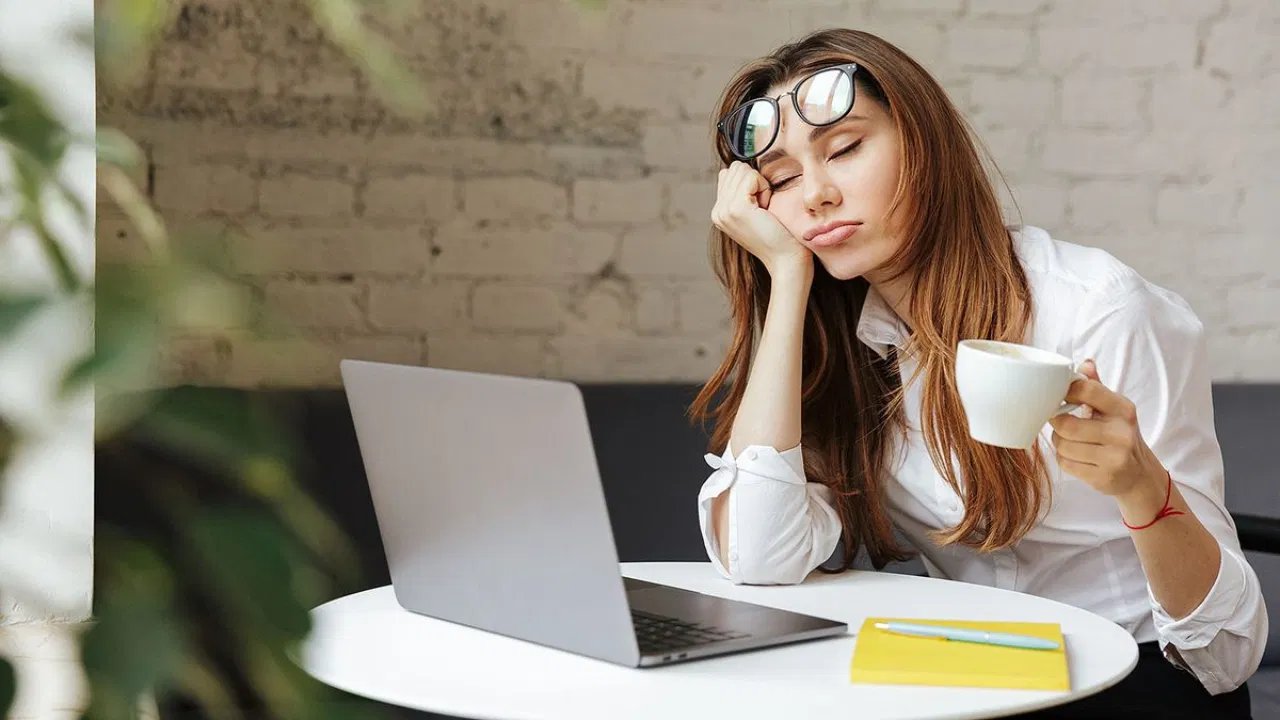
Women’s mental health can be influenced by everyday routines and social pressures. From irregular sleep and rushed meals to mental load, emotional suppression, social media comparison and lack of movement, here are six habits worth paying attention to.
Not just stress: 6 Everyday habits quietly affecting women’s mental health (Photo: Pinterest)
New Delhi: For many women, mental exhaustion does not arrive as a dramatic breakdown. It builds quietly through disrupted sleep, rushed meals, relentless planning, emotional restraint and the feeling that everyone else’s needs must come first. India’s latest Time Use Survey underlines the imbalance: women spent an average 289 minutes a day on unpaid domestic services, compared with 88 minutes for men, while women who performed unpaid caregiving spent 137 minutes a day on it, against 75 minutes for men.
Mr Sanjay Desai, author, entrepreneur, and Founder & CEO of ConsciousLeap, has long highlighted the social pressures surrounding women’s mental health. “The gap between aspiration and reality is very prominent in women as compared with men. This leads to constant turmoil,” he has said, while talking to News9 Live.
1. When sleep becomes the last priority
For many women, bedtime is often the beginning of a “second shift” – finishing household work, checking on children, preparing for the next day or finally finding a few minutes for themselves.
Poor or irregular sleep can affect mood, concentration and emotional regulation. Sleep disturbances are also closely associated with anxiety and depression. The issue is not simply how many hours a woman sleeps, but whether she gets consistent, restorative sleep.
2. Eating in between everyone else’s needs
Breakfast skipped. Lunch delayed. Dinner eaten standing in the kitchen.
When meals become an afterthought, energy levels and mood can suffer. Although an irregular meal pattern cannot by itself be labelled a cause of anxiety or depression, research has found associations between meal skipping and poorer psychological wellbeing.
For women already navigating hormonal changes across the menstrual cycle, paying attention to regular, balanced meals becomes particularly important.
3. The invisible burden of always being “on”
The mental load goes far beyond cooking and cleaning. It includes remembering appointments, anticipating family needs, organising schedules, planning meals and noticing what needs to be done before anyone asks.
That constant cognitive responsibility can leave little space for genuine psychological recovery.
As Mr Sanjay has previously observed, “The concept of care is not limited to doctors and medication.” He has argued that mental healthcare must also involve family support, social acceptance and opportunities for meaningful participation in society.
4. Suppressing emotions to keep the peace
Women are often socialised to accommodate, compromise and preserve relationships, sometimes at the cost of expressing anger, disappointment or exhaustion.
Repeated emotional suppression is not the same as emotional resilience. Research has linked self-silencing and emotional suppression with poorer mental-health outcomes.
This is also where gender bias can affect help-seeking. “Gender bias in health-seeking is one of the reasons why women are not brought in for treatment of depression,” Sanjay told News9 Live.
5. The comparison trap on social media
Social media can connect, inform and empower – but it can also turn everyday life into a constant comparison exercise.
Curated images of seemingly perfect homes, bodies, marriages, motherhood and careers can quietly create the impression that everyone else is doing better. Research increasingly links problematic social-media use and online social comparison with poorer body image and psychological wellbeing.
The problem, therefore, is not simply screen time. It is what repeated comparison does to self-worth.
6. Putting movement at the bottom of the list
Exercise is often the first commitment sacrificed when time becomes scarce. Yet physical activity is one of the better-supported lifestyle factors for mental wellbeing.
The World Health Organization recommends adults get 150–300 minutes of moderate-intensity aerobic activity a week, or 75–150 minutes of vigorous activity, along with muscle-strengthening activities on at least two days. Even smaller amounts of activity are better than none.
A daily walk, stretching session, cycling or simply building more movement into the day can be a realistic starting point.
Bigger issue is not women “coping better”
These habits should not be turned into another checklist women are expected to perfect. Mental health is shaped by biological, psychological and social factors, and WHO specifically recognises unpaid care responsibilities, gender norms and structural inequalities as influences on women’s health.
The more important question is whether women have the time, support and freedom to sleep properly, eat without rushing, move, express themselves and switch off.
Sometimes, improving women’s mental wellbeing is not about teaching women to carry the load more efficiently. It is about making sure they do not have to carry it alone.
Ananya Sarma
Ananya is a lifestyle journalist at TV9, where she explores stories on culture, fashion, wellness, and everyday living. Born in Guwahati, Assam, and now living in Delhi, she brings together her rooted perspective and cosmopolitan curiosity to create narratives that feel both relatable and fresh. She doesn’t mind staring at the screen a little too long if it helps her uncover new angles that spark conversations and connect with readers. With a vision to make lifestyle journalism more thoughtful, engaging, and inclusive, Ananya aspires to tell stories that inspire people to see the everyday a little differently. When she’s not working, she finds joy in playing with dogs—or binge-watching F.R.I.E.N.D.S for the hundredth time.
Read More
- News Health News
Follow us on social media
