


Welcome to the Good News Roundup for August 10, 2026
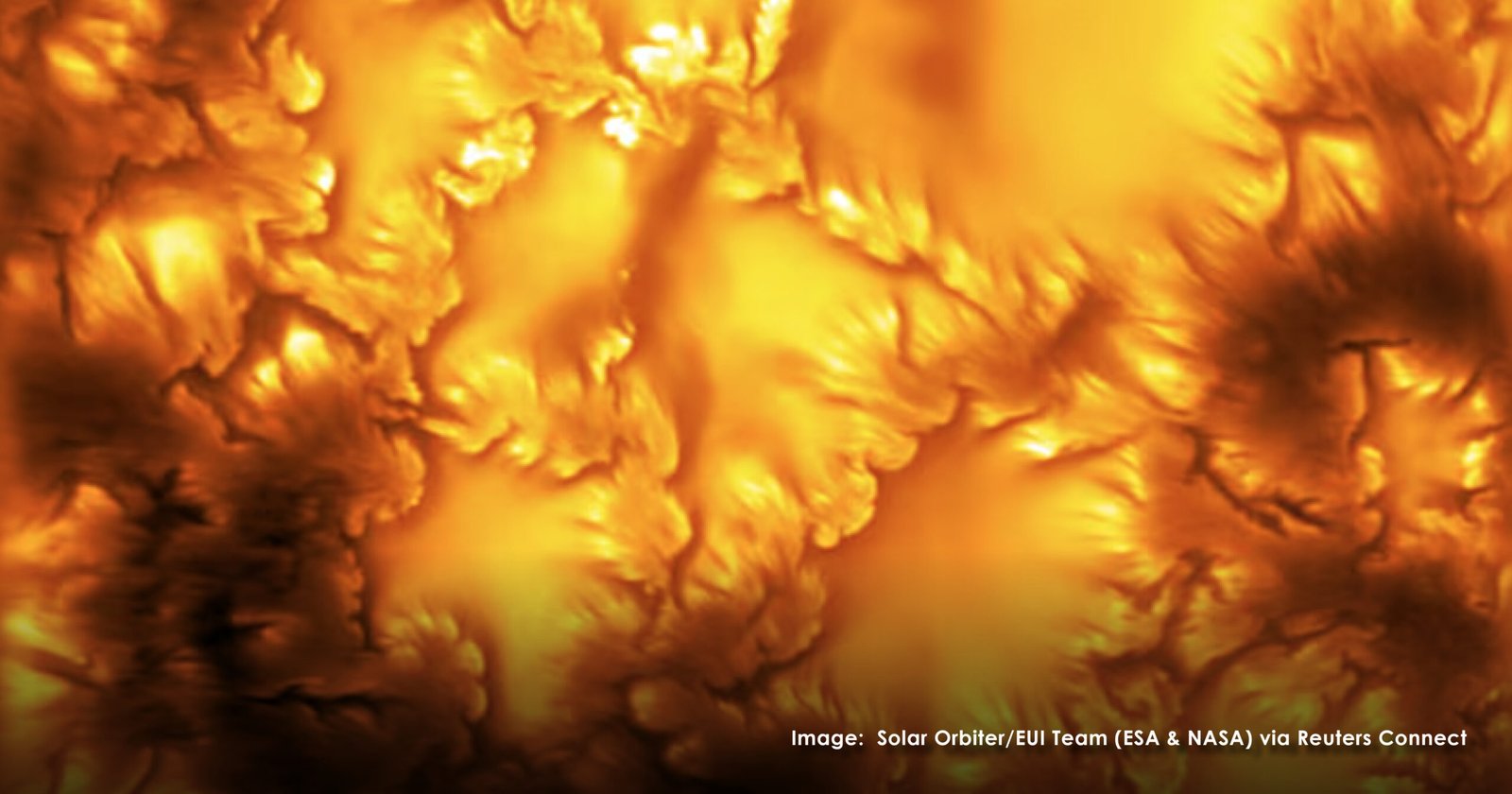
Sun’s surface revealed in stunning new detail
Astronomers have captured the highest-resolution images yet of the Sun’s surface, revealing spectacular swirling plasma patterns likened to Vincent van Gogh’s The Starry Night.
Scientists say the images provide a new window into how energy moves through the Sun.
It’s hoped the breakthrough could help them predict space weather that can affect satellites, GPS, communications and power grids on Earth.
Read more here.
Life-saving rescue operation in extreme weather in Antarctica
An Australian aviation team has pulled off an extraordinary medical evacuation from Antarctica, rescuing a seriously ill US Antarctic Program member in incredibly harsh flying conditions.
Australian aviation company Skytraders’ crew landed in complete darkness and with temperatures as low as -43°C, taking advantage of a narrow weather window before safely flying the patient to Christchurch for emergency treatment.
US authorities have thanked Australian and New Zealand teams for the operation – describing it as ‘life- saving’.
Read more here.
Hundreds of animals rescued from European wildfires
More than 280 animals have been rescued from devastating wildfires near Athens, as volunteers and firefighters worked through extreme heat, smoke and shifting winds to bring pets and wildlife to safety.
Rescuers in the town of Megara transformed an indoor sports facility into a temporary shelter, while authorities are now working to reunite displaced pets with their owners or find them temporary homes.
The extraordinary volunteer effort has been praised as “heroic” and is prompting calls for a dedicated European animal rescue service to better protect animals during disasters.
Read more here.
Protein found in breastmilk could help protect against respiratory infections
Australian researchers have uncovered promising new clues about how breastmilk protects babies from potentially deadly respiratory infections, identifying a protein that helps kickstart immune system development early in life.
The five-year study found the protein, osteopontin, changed the gut microbiome in baby mice and triggered processes that strengthened immune defences, helping protect them against respiratory infection.
While further research in humans is needed, scientists hope the discovery could eventually help improve infant formula and strengthen protection for babies who cannot be breastfed.
Read more here.
