


Ten years after the Rights of Persons with Disabilities (RPwD)Act, 2016, India has reason to acknowledge progress, but not yet to celebrate completion.
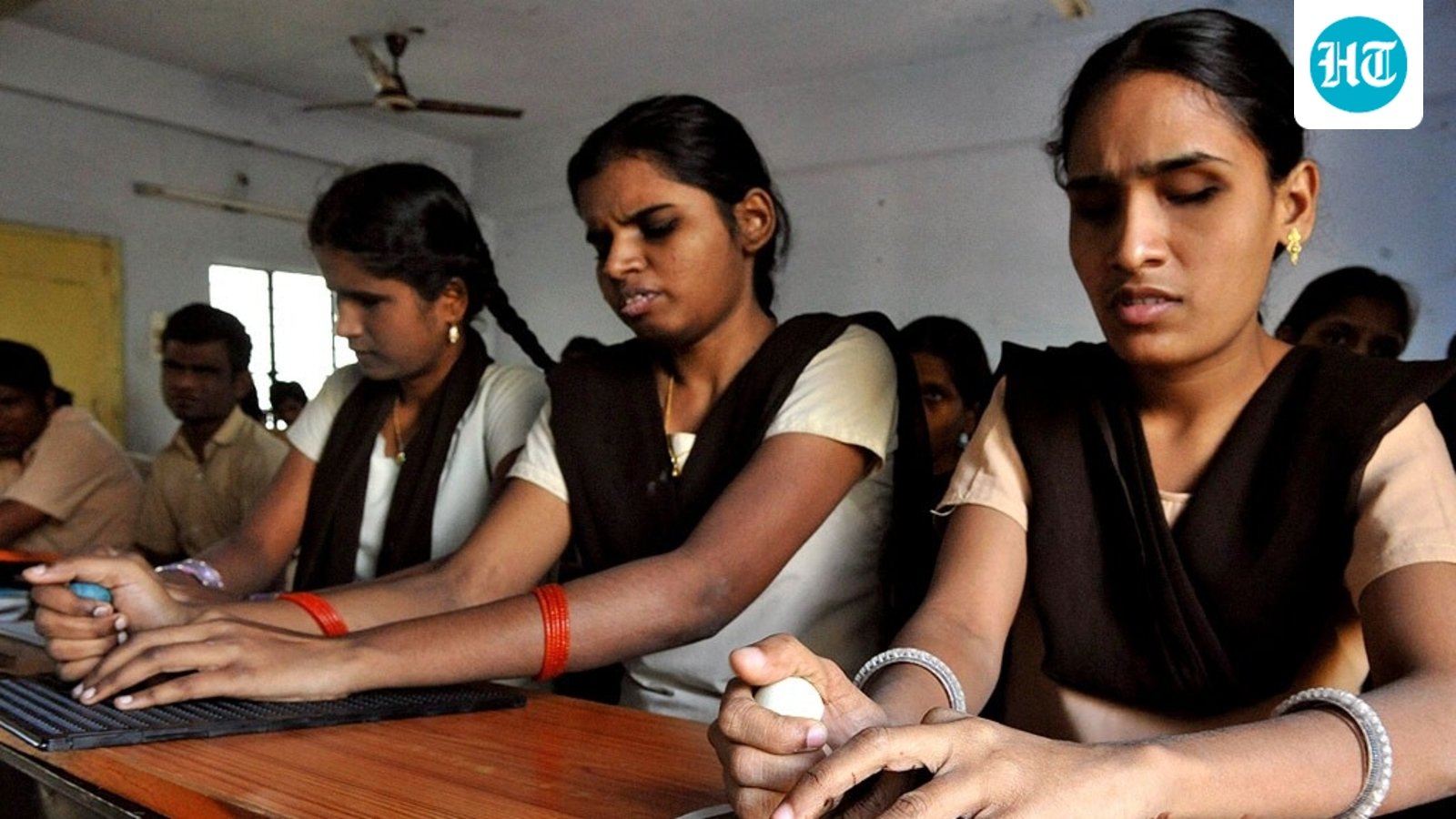
Inclusive education must shift from admission to belonging: trained teachers, classroom accommodations, accessible materials, assistive technology, anti-bullying systems, and support for neurodivergent learners. (HT archieve)
The Act marked a decisive shift from welfare to rights. It replaced the 1995 law, expanded recognised disabilities from seven to 21 categories, introduced the language of dignity, equality, non-discrimination, reasonable accommodation, accessibility, inclusive education, social security, and participation, and mandated reservations in education and government employment for persons with benchmark disabilities.
READ ALSO | Disability rights and India’s heat emergency
Its greatest achievement is conceptual. It gave disabled people a stronger legal vocabulary to assert that exclusion is not charity denied, but rights violated. The law helped move disability from the margins of policy to the centre of constitutional imagination. The courts have also strengthened this shift. In Vikash Kumar v. UPSC, the Supreme Court clarified that reasonable accommodation is central to equality and that disability rights cannot be reduced only to benchmark disability thresholds. It emphasised that the RPwD Act imposes positive obligations on the State and, in certain contexts, private actors to enable full participation.
There have been administrative gains too. The Unique Disability ID project has attempted to create a national database and uniform disability certification system, intended to improve transparency and delivery of benefits. The Accessible India Campaign has made accessibility a public policy issue, with government reporting progress in public buildings, transport facilities, airports, and ICT accessibility. These are not minor achievements in a country where accessibility was long treated as goodwill rather than infrastructure.
ALSO READ | Reframing disability funding in India
Yet the Act’s first decade also reveals a painful truth: India has often been better at writing rights than delivering them.
The first major shortcoming is data. India’s Census 2011 counted 2.68 crore persons with disabilities, or 2.21% of the population, while WHO estimates that 16% of the global population experiences significant disability. This gap matters. If disabled people are undercounted, they are under-budgeted, under-planned for, and underrepresented. The next Census and all major surveys must use better functional disability questions, disaggregate by gender, caste, age, rurality, income, and type of impairment, and connect data to budgets.
Second, accessibility remains uneven. A ramp at the entrance is not accessibility if there is no accessible transport to reach the building, no usable toilet, no tactile path, no sign language, no captioning, no accessible website, and no staff trained to respond with dignity. The Act must now move from “accessibility features” to accessibility ecosystems.
Third, certification has become both an enabler and a gatekeeper. UDID can simplify access, but when disability certification is delayed, medically narrow, digitally difficult, or unavailable in rural areas, it can block the very benefits it is meant to deliver. A rights-based system must not make disabled people endlessly prove their existence.
ALSO READ | 10 years of the RPWD Act: What has changed for persons with disabilities in India?
Fourth, implementation is fragmented. Disability commissioners often lack adequate powers, staff, and follow-through. Grievance redressal remains weak. Many institutions comply on paper, but not in spirit. Equal opportunity policies, accessibility audits, reservations, inclusive education, and reasonable accommodations need public dashboards, timelines, penalties, and monitoring.
Fifth, the law needs a deeper intersectional imagination. A disabled Dalit woman, a deaf child in a rural school, a neurodivergent student in a competitive exam system, a person with psychosocial disability seeking employment, or a wheelchair user in a climate-vulnerable settlement does not experience disability alone. Poverty, caste, gender, language, region, climate risk, and digital exclusion shape access to rights.
The next decade must therefore be about implementation with teeth. India needs a national accessibility compliance mission with local government accountability. Every municipality should conduct disability-led access audits of streets, schools, hospitals, public transport, courts, shelters, and digital services. Public procurement must make accessibility mandatory. No public infrastructure should be approved, funded, or inaugurated unless it meets universal design standards.
ALSO READ | Yogi hikes maintenance grant for disability shelter home residents
Inclusive education must shift from admission to belonging: trained teachers, classroom accommodations, accessible materials, assistive technology, anti-bullying systems, and support for neurodivergent learners. Employment must move beyond reservation to retention, promotion, workplace accommodations, private-sector accountability, and dignified livelihoods. Most importantly, disabled people must be involved in designing, monitoring, and evaluating the law’s implementation. “Nothing about us without us” cannot remain a mere slogan. The RPwD Act has already changed what disabled people can claim. The next decade must change what disabled people can actually live.
Puneet Singh Singhal is a disability inclusion activist and an accessibility consultant. He is the founder/curator of Green Disability, working at the intersection of climate change, disability inclusion & mental health. The views expressed are personal.
