


No matter how well you’ve
prepared for retirement and how much money you’ve saved, you’ll probably end
up depending on Social Security to make ends meet. Fidelity puts the average
401(k) plan balance for 65- to 69-year-olds at $258,800. Using the popular 4%
rule, that only results in about $10,350 of annual income. So it’s easy to see
why you might need Social Security on top of your savings.
Whether you expect to rely on Social Security a lot or a little, it’s important
to claim benefits at the right time. That’s because your filing age plays a role
in how much money the program pays you each month.
But your earnings history plays an equally important role in determining how
much Social Security you get to collect, and there’s one rule that could end up
shrinking your monthly benefits substantially.
Find Out: 13 moves seniors could benefit from but often forget about.
How Social Security benefits are calculated
The Social Security benefits you’re eligible for in retirement are based on your
personal earnings history. The Social Security Administration (SSA) takes your
35 highest-paid years of income into account when determining your benefit, and
earlier wages in that formula are adjusted for inflation.
From there, you’re eligible to start collecting Social Security benefits once
you turn 62. But you won’t get your monthly benefit based on your wage history
without a reduction until you reach full retirement age (FRA). FRA is 67 for
recipients born in 1960 or any year after that. You can also delay your Social
Security benefits claim past FRA for boosted checks.
Shopping for cheaper auto insurance? Enter your zip code here to get started.
Why the 35-year rule could come back to bite you
For some people, attaining a 35-year work history is not so hard. But for
others, it’s not easy.
Some workers are forced to take extended career breaks to raise children, care
for aging family members, or recover from injuries or illnesses. And people in
physical jobs can’t always do them for 35 years, since they can take a toll much
earlier.
The problem is that if you don’t have 35 years of earnings on record, when the
SSA goes to calculate your Social Security benefit, you’ll have a $0 factored
into that formula for each year you’re missing wages. Those zeros could bring down
your average wage and result in smaller Social Security checks.
How to boost your wage history
If you’re nearing retirement and you haven’t managed to work a full 35 years, one
thing that might help is continuing to work while getting Social Security.
There’s no rule stating you can’t do that, though if you haven’t reached FRA,
you will need to be mindful of Social Security’s earnings test. Earning too much
money could result in having benefits withheld temporarily.
But let’s say you’ve reached your FRA and begin claiming Social Security then.
If you only have a 32-year work history, you’ll have three zeros factored into
your benefits formula.
On the other hand, if you work part-time for three years starting at FRA and
earn $24,000 per year, you’ll replace each zero with a $24,000 wage. That could
result in larger checks once those wages are reported to the SSA, which will
then recalculate those payments.
Save Money: Things to cut when living on retirement (many people ignore #11)
Make sure your earnings record is correct
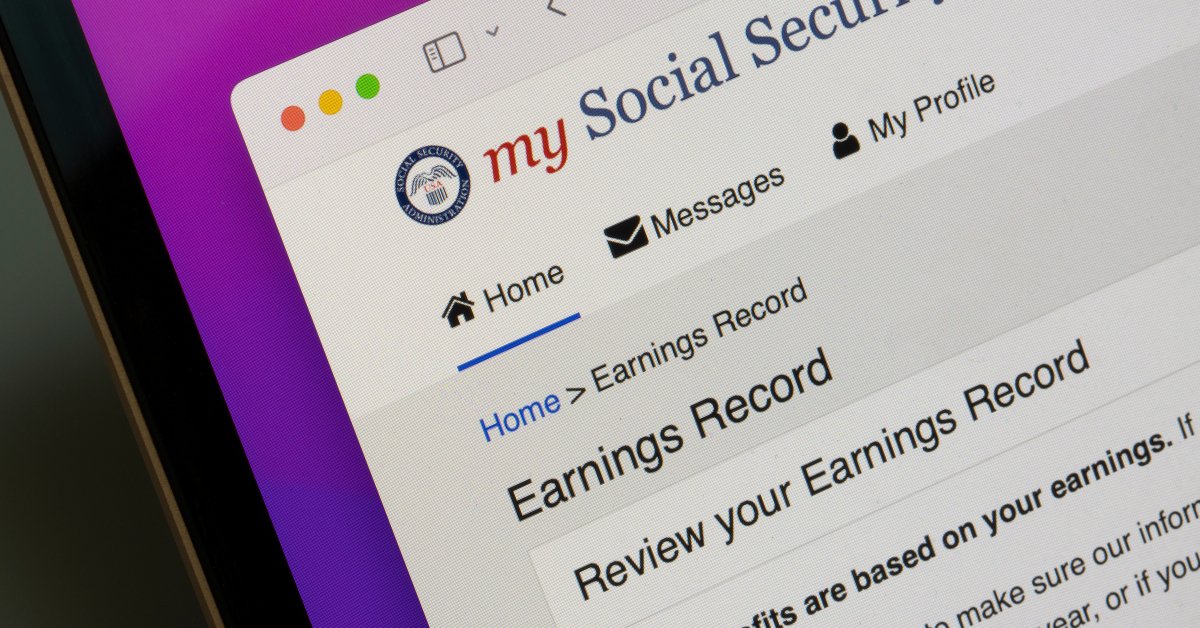
Since your wage history helps determine how much Social Security you get to
collect, it’s important to make sure the SSA has the right information on file
for you. To that end, you can create an account on SSA.gov
and check your earnings statements. Those statements should contain a summary of
your wages each year.
Underreported wages could result in smaller Social Security checks. If you see
an error that works against you, make sure to reach out to the SSA to request a
correction to your record.
You may need to provide old pay stubs, W-2s, or tax returns to prove that your
actual earnings were higher than what the SSA is showing. It’s best to take this
step before you’re ready to file for benefits so that everything can be sorted
out before those monthly checks need to start.
Bottom line
There’s a good chance Social Security will be an integral part of your retirement
plan. So it’s important to know what goes into those monthly benefits.
If you don’t have a 35-year work history, you could end up getting smaller
benefit checks for life. Review your earnings record and,
if possible, try to work longer to reduce the number of zero income years that are
factored into your personal benefits calculation.
Working longer could actually boost your Social Security checks in two ways,
though. Not only might you replace zero income years with actual wages, but
holding down a job a few extra years could make a delayed claim possible. That
could give your benefits an additional boost that makes it easier for you to
cover your expenses throughout your retirement.
More from FinanceBuzz:
