


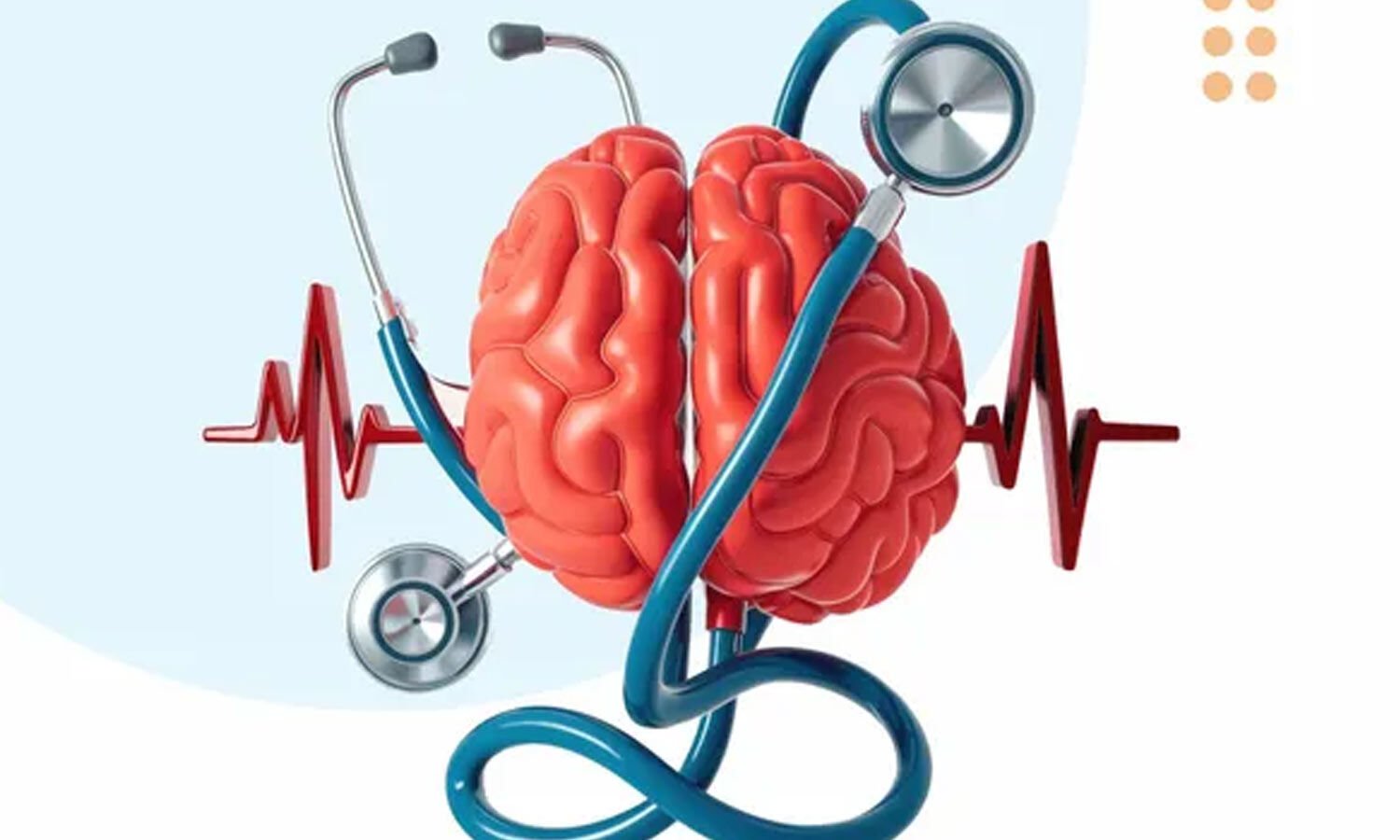
World Brain Day is celebrated on July 22, of each year with the aim of raising awareness about neurological diseases and brain health. In a daily routine we don’t always take care of the early symptoms of brain-related issues or remember that maintaining the mental health well-being is also important in the body. Therefore, a global campaign was initiated by the World Federation of Neurology (WFN) in 2014, and is considered a successful approach to informing the public, decreasing stigma and promoting early diagnosis and treatment of brain disorders.
This day is commemorated to remind us all that we can do our part to keep our brains healthy. There is a role for everyone in the government, medical profession, care and for everyone individually to promote early intervention and awareness. Communities can have a big role to play in improving the cognitive health of everyone in the community by helping to implement awareness campaigns and share accurate information, and by encouraging routine screenings.
Professor Steven Lewis, MD, President of the World Federation of Neurology stated “Investing in brain health means investing in people. It helps individuals reach their potential and supports healthier, more resilient societies.”
History of World Brain Day
The World Federation of Neurology (WFN) was founded on July 22, 1957. The Public Awareness and Advocacy Committee recommended recognizing the 22nd of July 2014 as “World Brain Day”. On September 22, 2013, this proposal was made at the World Congress of Neurology (WCN) Council of participants meeting, and the participants enthusiastically accepted it. The Board of Trustees decided to make this an annual endeavor during their meeting in February 2014.
Significance of World Brain Day
One of the body’s most important organs is the brain which regulates everything from thoughts, emotions, and memory to bodily actions. Maintaining it is crucial for general health and day-to-day functioning. The brain controls vital bodily processes in order for the body to operate correctly, the brain controls respiration, heart rate, digestion, and coordination.
The proportion of non-communicable and injury-related neurological disorders in India’s overall disease burden has doubled over the past three decades (1990-2019), according to a 2019 research report. This may be because of the country’s growing older population.
The three most common non-communicable neurological illnesses in India are epilepsy and 11.3% of people suffered this, migraine and tension-type headaches are suffered by 17.5% while and stroke affects 37.9% of the population.
It is concerning that funding for prevention, treatment, education, and research is so limited in comparison to other diseases, despite the fact that brain disorders are among the most costly diseases in the world and the primary cause of disability and death. Therefore, it is essential to increase awareness of brain disorders and acknowledge them as a high-priority area for disease control.
Objectives of World Brain Day
The following are World Brain Day’s five primary objectives:
•Spreading awareness: Global brain health awareness is crucial for mental, social, and physical health, which helps reduce the handicap brought on by brain disorders.
•Prevention: It is possible to prevent, cure, and rehabilitate brain impairments.
•Access: Access to high-quality care, therapy, rehabilitation, and assistive technology is essential for brain health.
•Education: Education promotes equality for those with cognitive disabilities.
•Advocacy: Worldwide efforts are needed to ensure optimal brain health.
Common Brain Conditions and Early Warning Indications
All ages are susceptible to brain problems, which can range in severity from minor to fatal. While some disorders like stroke, appear suddenly, others, like Parkinson’s or Alzheimer’s disease, grow gradually over time. Early detection is essential for prompt diagnosis and treatment.
The following list of common brain illnesses includes warning signs:
•Stroke: A stroke is brought on by a disruption in the blood supply to the brain.
Early symptoms include dizziness, abnormal eyesight, slurred speech, and sudden weakness on one side of the body.
•Seizures: Recurrent seizures are a hallmark of epilepsy, a neurological disorder.
Early symptoms indications include strange feelings, fleeting bouts of disorientation, twitching, or periods of intense staring.
•Alzheimer: Alzheimer’s disease is a degenerative condition that results in disorientation and memory loss.
Early symptoms indications include changes in mood or behavior, difficulty finding words, and forgetting recent events.
•Parkinson’s disease: A disorder that impairs balance and mobility.
Early symptoms include tremors, stiffness, delayed movements, altered speech or handwriting, and irregular sleep patterns.
•Multiple Sclerosis (MS): An autoimmune disease that affects nerve coverings is called multiple sclerosis (MS).
Early symptoms include numbness, weariness, visual issues, and coordination issues.
•Brain Tumor: Abnormal growths in or around the brain are known as brain tumors.
Early symptoms include nausea, unexplained mood swings, persistent headaches, and abnormalities in vision.
