


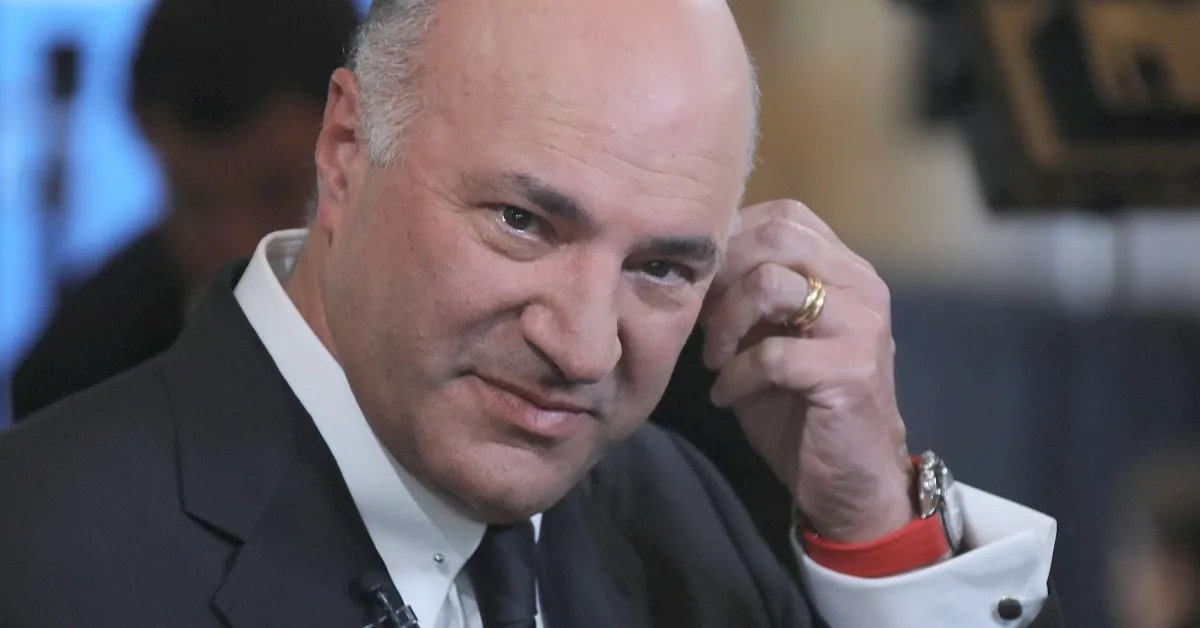
Shark Tank notable and wealth guru Kevin O’Leary has opinions on Social Security
payments — specifically, that they aren’t enough for a typical retirement
plan. He’s quoted as saying that “relying on Social Security means poverty
in retirement,” which is something no one wants.
Is he correct? We break down the numbers and weigh his stance against the data,
including how potential Social Security benefits insolvency could put retirees
in an even tougher spot.
What Social Security is (and isn’t)
Social Security is a government benefit that we pay into over our working lives.
But it’s not a retirement plan and should be treated as a backup or a
supplement. Your primary retirement strategy should be personal savings,
pensions, and investments that you make far before your retirement date.
It was never designed to be all you need to live on. The Social Security
Administration actually says that it’s designed to replace around 40% of your
income. Even if you could cut some expenses in retirement, it’s not typically
enough. Living on benefits alone means living much poorer than you’re accustomed
to.
Shopping for cheaper auto insurance? Enter your zip code here to get started.
The Social Security numbers
Funded by payroll taxes, Social Security averages around $2,071 in 2026. That’s
around $24,852 a year per person. It’s true that an aged couple with both
receiving benefits could see $3,208 together.
However, spouses don’t typically have the same life expectancies, leaving one to
fund the household on even lower averages after their spouse’s passing. (The
widowed-alone average is $1,919.)
If you spend an average of $2,000 per month on rent, utilities, groceries, and
Medicare premiums in a mid-cost city, you’ll have very little remaining.
The possibility of a 22% cut
As if the current numbers aren’t already a stretch for some, 2032 brings the
chance for checks to be even smaller than they are now. The 2026 Social Security
Trustees report warns that the Old-Age and Survivors Insurance (OASI) Trust Fund
can pay full benefits until late 2032.
After that, payroll taxes would cover just 78% of scheduled benefits. That’s a
22% across‑the‑board cut if Congress does nothing. The same $2,071 monthly check
could drop to $1,615, even though inflation will likely make it more expensive
to live.
How the cuts affect your timeline
You don’t need to panic, but this date is important. Assuming nothing changes,
benefits are projected to be cut once the trust fund is depleted. And those in
their 50s or early 60s don’t have long to adjust. Start building a cushion now
that anticipates the smaller check size, and run scenarios with both numbers so
you know how you’ll get by in either case.
Younger workers have more years to increase savings and diversify income with
the assumption that funding will likely be at risk when they retire, too.
Max accounts for retirement stability
O’Leary’s warning doesn’t have to cause panic. You can take steps to reduce your
dependence on Social Security, no matter how big those checks end up being.
- Contribute the maximum in your workplace 401(k) to capture the full employer
match, if offered. - Increase contributions over time, ideally 10-15% of income if you can (but
smaller amounts help, too). - Use IRAs if you don’t have access to a 401(k).
Workplace plans automatically invest, so you don’t have to think about it, and
they have tax advantages, too. They’re ideal for growing a nest egg apart from
Social Security in a way that’s seamless and automatic.
Build income streams to help
It’s risky to depend on one source of income at any point in time, especially in
retirement. Even though you may not be able to work full-time as you did before
retiring, you should look for ways to supplement the Social Security checks.
Dividend-paying investments, rental properties, consulting, freelance work,
annuities with monthly payouts, or even part-time gigs can help fill in the
gaps. Freeing up just a few hundred dollars a month gives you breathing room and
ensures that Social Security is just the floor, not the ceiling.
If you’re unsure how supplemental income affects your taxes or benefits
payments, seek the advice of a financial advisor. They can help you optimize
revenue and tax liability for the highest monthly income.
Retirement News: Almost 80% of Americans fear a retirement age increase — here’s the real reason why
Bottom line
O’Leary has never been one to mince words, and his opinion that Social Security
isn’t enough to keep you out of poverty may seem uncomfortable. While it’s true
that some seniors in some parts of the country may be able to make the math
work, living on benefits alone creates limitations.
Seniors who want to travel, help family members, or pay for long-term care will
be left looking for other funding sources, and that’s most retirees these days.
Rather than living just on
Social Security, plan for needing more for a thriving retirement.
Subscribe Today
Unlock the Best Banking Deals and Bonuses
From high-yield savings accounts to cashback checking and sign-up bonuses, we bring you the best banking offers to grow your money smarter.
Author Details
Josh Koebert
Josh Koebert has spent more than 16 years digging into the data behind how Americans earn, save, and retire. As a Senior Data Journalist at FinanceBuzz, his work covers both ends of that challenge: the job market and real estate pressures that shape how much people can save, and the Social Security policies, 401(k) strategies, and retirement income gaps that determine what they’ll actually have when they get there.
