


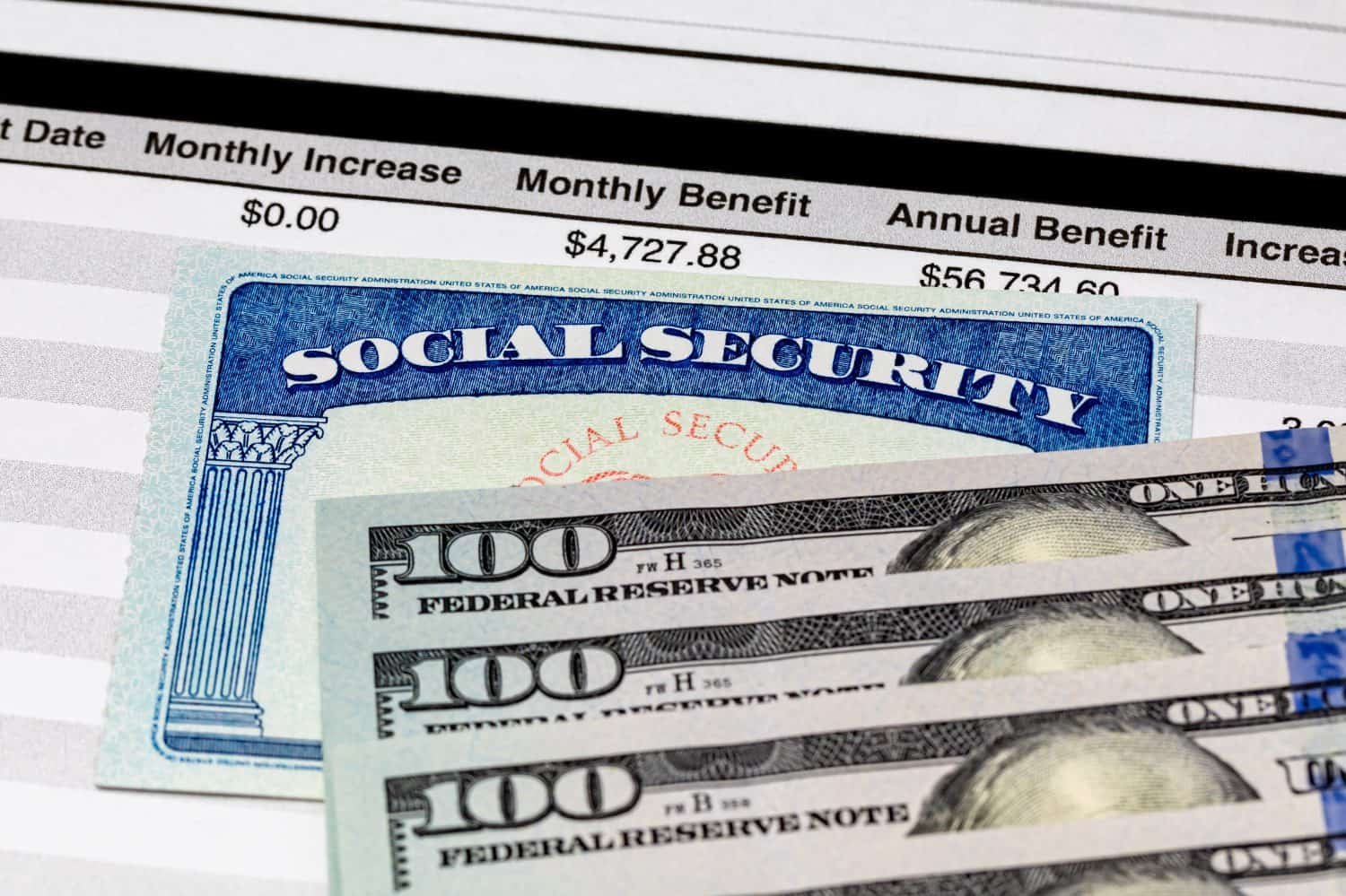
Social Security is the financial foundation of retirement for millions of Americans, but the typical monthly check does not leave much room for error. The Social Security Administration estimated that the average retired worker would receive $2,071 per month in January 2026—not $2,083. Benefits receive annual cost-of-living adjustments, but retirees can still lose purchasing power when housing, insurance, healthcare, and other personal expenses rise faster than the inflation measure used by the program.
That pressure is pushing some retirees back into the workforce. An AARP survey released in February found that 7% of retirees had returned to work within the previous six months. Nearly half said earning money was their main reason, while only 14% cited staying active. Schroders’ 2026 retirement survey painted a similar picture: 19% of retirees described themselves as financially struggling, and 49% said retirement expenses were higher than they had expected.
Working can help cover those costs, but people who claimed Social Security before full retirement age may temporarily lose part of their checks under the retirement earnings test. In 2026, beneficiaries who remain below full retirement age for the entire year can earn up to $24,480 before Social Security withholds $1 for every $2 earned above the limit. A separate $65,160 threshold applies during the year a beneficiary reaches full retirement age, with $1 withheld for every $3 earned above it before that birthday month.
The Senior Citizens’ Freedom to Work Act, introduced in Congress in spring 2026, would repeal that earnings test. Working retirees below full retirement age could earn a paycheck without having Social Security benefits withheld simply because their wages exceeded the annual limit. The proposal has not passed, and its impact requires some context: benefits withheld under current law are not necessarily gone forever. At full retirement age, Social Security recalculates the payment to account for months in which benefits were withheld. Still, repeal could provide considerably more cash flow when younger retirees need it most.
AYO Production / Shutterstock.com
New Bill Would Eliminate the Social Security Earnings Test
Social Security’s retirement earnings test applies only before full retirement age and counts wages or net self-employment income, not pensions or investment earnings. In 2026, beneficiaries who stay below FRA all year can earn $24,480 before the SSA withholds $1 in benefits for every $2 above the limit. In the year FRA is reached, the limit rises to $65,160, with $1 withheld for every $3 earned above it before the birthday month. The money is not permanently lost; the SSA later recalculates the monthly benefit at FRA. Sen. Rick Scott’s Senior Citizens’ Freedom to Work Act of 2026 would repeal the test and end those temporary reductions.
Why Supporters Say This Could Be a Game-Changer
Supporters argue that the earnings test discourages older Americans from accepting extra shifts or returning to full-time work, even when they need the income. Repeal would simplify planning and improve near-term cash flow by letting early claimants keep both their wages and full scheduled Social Security payments. It could also modestly increase payroll-tax collections if more retirees stay employed. But the bill would not raise a worker’s underlying benefit formula, erase the permanent reduction for claiming before FRA, or solve Social Security’s long-term financing gap. It remains a proposal and would need approval from both chambers of Congress and the president before taking effect.
izusek / E+ via Getty Images
Who Would Benefit Most
The biggest winners would be people who claimed Social Security before full retirement age and later decided to keep working or return to a job. A 63-year-old earning well above the 2026 limit of $24,480 could currently have several months of benefits withheld, even if that money is later reflected in a higher payment after FRA. Repeal would improve immediate cash flow and make work decisions easier. It would not matter to beneficiaries who already reached FRA, because their wages no longer reduce benefits. Pension income, IRA withdrawals, dividends, and capital gains are also excluded from the earnings test under current law.
What the Bill Would Not Change
Repealing the earnings test would not turn early claiming into a free financial advantage. A worker who starts Social Security at 62 would still accept the normal permanent reduction for claiming before full retirement age, and waiting to claim until 70 would still earn delayed-retirement credits. Wages would remain subject to payroll taxes, and Social Security benefits could still become federally taxable depending on household income. The proposal also would not change Medicare premiums, disability-benefit work rules, or Supplemental Security Income limits. Retirees would still need to compare claiming early with the larger monthly check available by waiting.
The image featured at the top of this post is ©J.J. Gouin / Shutterstock.com.
