


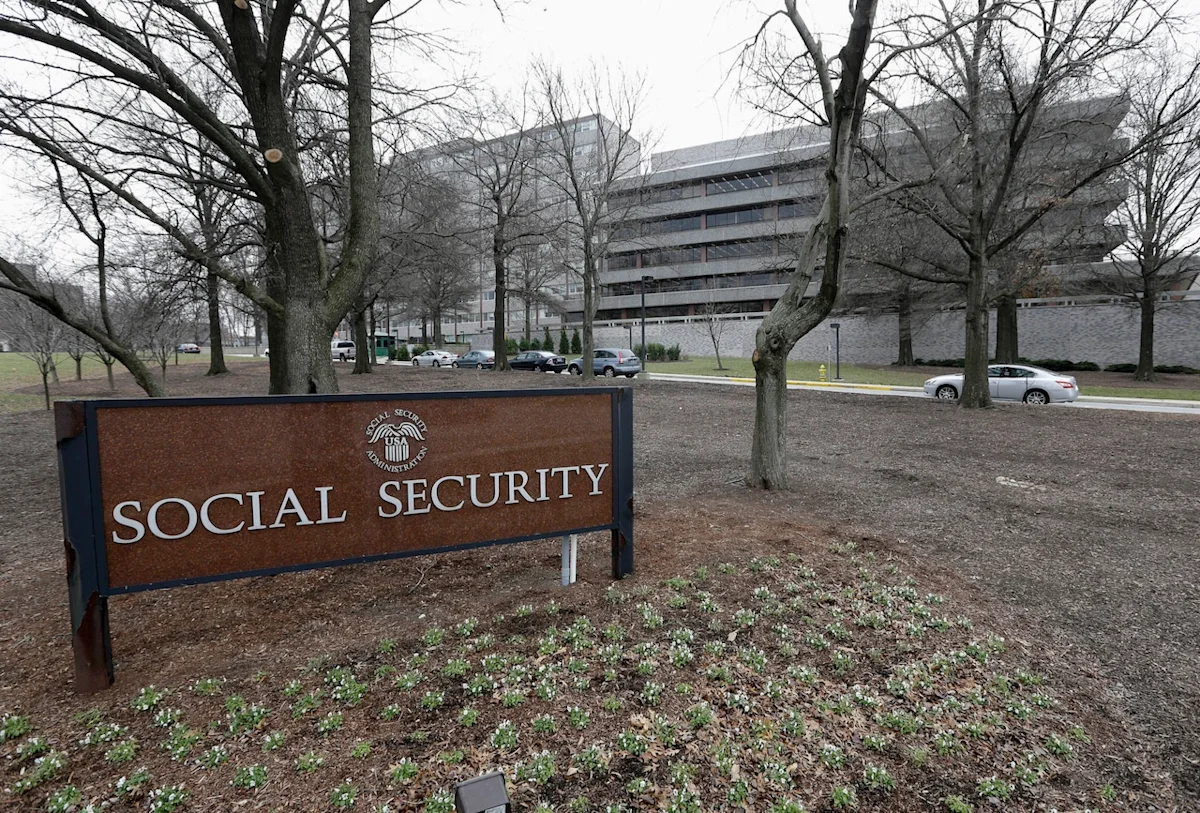
Millions of Americans who receive Supplemental Security Income, or SSI, could see two payments arrive in July, but the extra deposit does not represent a bonus benefit or increase in monthly assistance. Instead, the unusual payment schedule is the result of how the Social Security Administration handles benefits when payment dates fall on weekends or federal holidays.
Under the normal schedule, SSI payments are issued on the first day of each month. Beneficiaries are expected to receive their July payment on July 1 as usual. However, because Aug. 1 falls on a Saturday this year, the Social Security Administration will send August’s payment on July 31 instead. As a result, eligible recipients will receive two SSI payments during July and none during August.
The agency follows a longstanding policy of moving payment dates when scheduled benefit distributions would otherwise occur on weekends or federal holidays. Rather than delaying payments, benefits are generally issued on the preceding business day to ensure recipients have timely access to their funds.
The same pattern will occur later this year. SSI recipients are expected to receive payments on Sept. 1 and Oct. 1, followed by another payment on Oct. 30 because Nov. 1 falls on a Sunday. A similar adjustment is planned for December, when beneficiaries will receive payments on Dec. 1 and Dec. 31 because Jan. 1, 2027, is a federal holiday.
SSI is a federal program designed to assist older adults, blind individuals and people with disabilities who have limited income and financial resources. The program differs from traditional Social Security retirement benefits because eligibility is based primarily on financial need rather than a recipient’s work history.
Traditional Social Security retirement, disability and survivor benefits continue to follow a separate payment schedule based largely on a recipient’s birth date.
Beneficiaries born between the 11th and 20th receive payments on the third Wednesday, while those born on the 21st or later receive payments on the fourth Wednesday.
Individuals who began receiving Social Security benefits before May 1997 follow a different schedule. The same applies to those who receive both Social Security and SSI benefits. In most cases, Social Security benefits are distributed on the third day of the month, while SSI benefits are paid on the first.
According to the Social Security Administration, the average SSI payment is approximately $737 per month, while the average Social Security retirement benefit exceeds $2,000 per month in 2026. Agency officials encourage recipients to review the annual payment calendar to avoid confusion when multiple payments arrive in the same month.
ALSO TRENDING: Millions of retirees could see Social Security changes under new proposal
ALSO TRENDING: A looming Social Security retirement challenge could hit one group of Americans especially hard
ALSO TRENDING: Millions of Social Security recipients will receive new debit cards: What you need to know
Read the original article on cleveland.com. Add cleveland.com as a Preferred Source by clicking here.
