


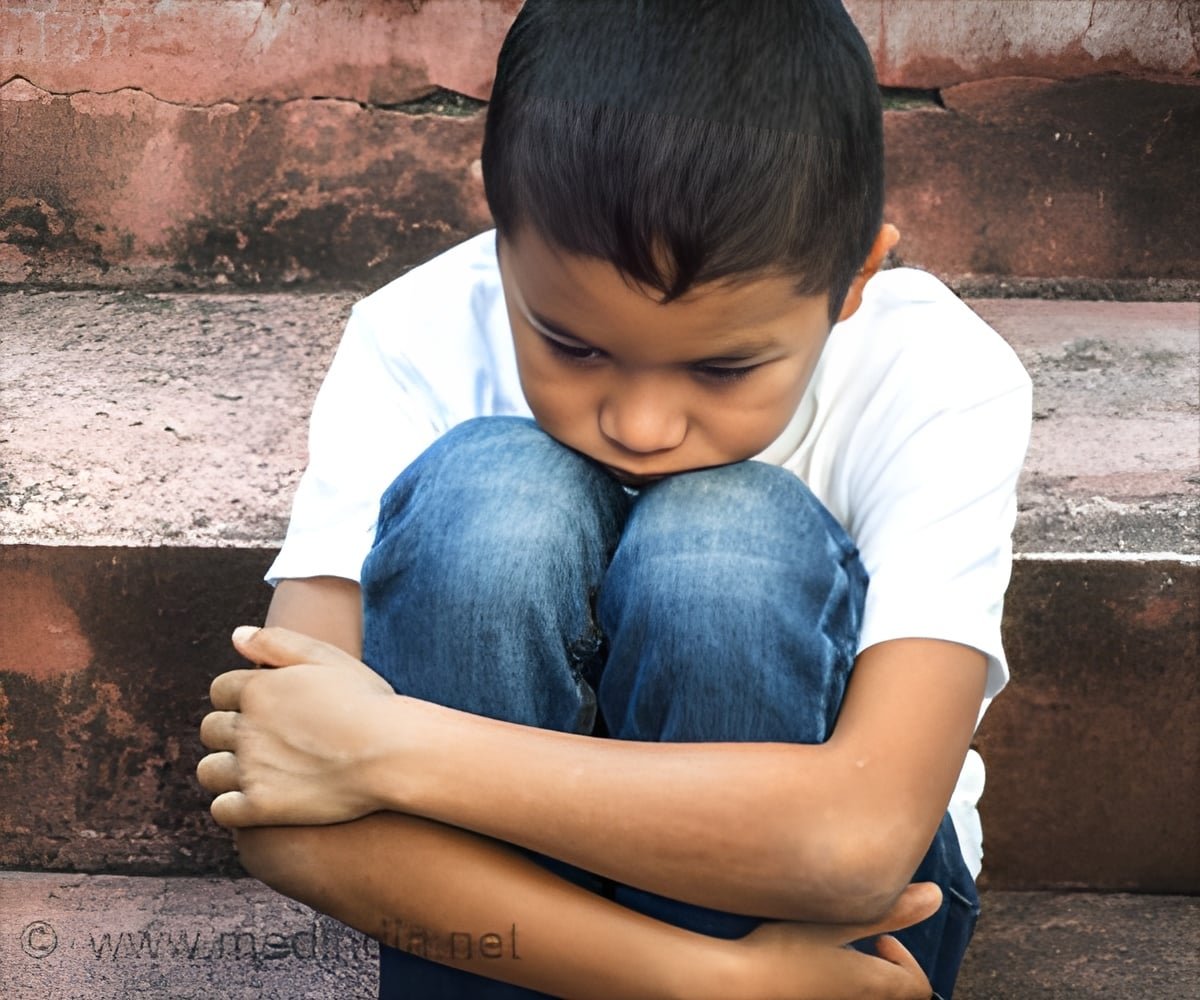
A comprehensive review highlights that childhood depression can emerge in infancy and underscores the importance of early emotional support.
Highlights:
- Depression in babies and preschoolers often appears through behavioral rather than verbal changes
- Strong caregiver relationships play a vital role in healthy emotional development
- Early recognition and family support may improve long-term mental health outcomes
Depression is often thought of as a condition that affects teenagers and adults. However, a review published in Psychiatria Danubina shows that depression can also occur in babies and preschool children, although it often looks very different from depression in older people. The review brings together decades of evidence showing that early experiences and caregiver relationships shape a child’s mental health (1✔ ✔Trusted Source
Depression in Early Childhood
Go to source
).
Depression affects only a small proportion of preschool children, but the review notes that rates increase with age. During the COVID-19 pandemic, rising stress and depression among parents, especially mothers, were also linked to more emotional and behavioral problems in young children.
Advertisement
Early Childhood Depression Often Looks Different
Unlike adults, young children rarely express sadness in words. Instead, depression may appear through changes in behavior, emotions, or physical health.
Possible signs include:
- Loss of interest in play
- Poor eye contact or fewer facial expressions
- Sleep or appetite changes
- Frequent crying or unusual irritability
- Social withdrawal
- Developmental delays or regression
A child who appears cheerful may still be struggling emotionally, making early recognition important.
Advertisement
Why Caregiver Relationships Matter
The review highlights the importance of secure early relationships. When a parent experiences perinatal depression, interactions with the child may become less responsive. Over time, babies who receive less eye contact, fewer smiles, and limited emotional engagement may become quieter, less curious, and less socially interactive.
This idea is not new. More than 75 years ago, psychiatrist René Spitz described anaclitic depression after observing infants separated from their primary caregivers. Many became emotionally withdrawn and showed slowed development despite receiving adequate physical care. Their condition often improved after reunion with parent/caregiver (2✔ ✔Trusted Source
Anaclitic Depression-An Inquiry into the Genesis of Psychiatric Conditions in Early Childhood, II
Go to source).
Children who lose stable emotional support may experience:
- Emotional withdrawal
- Poor appetite
- Sleep disturbances
- Slower developmental progress
- Reduced interest in people and their surroundings
The review notes that many of these changes can improve when a stable, caring relationship is restored early.
Advertisement
Recognizing Depression Early
Depression in young children does not always appear as sadness. It may instead present as:
- Anger or aggression
- Increased clinginess
- Anxiety
- School or learning difficulties
- Withdrawal from favorite activities
For example, a preschool child who suddenly loses interest in favorite games or becomes unusually withdrawn after a major family change may need closer attention rather than being dismissed as shy or stubborn.
Supporting Children’s Mental Health
The review concludes that educating parents, caregivers, teachers, and healthcare professionals can improve recognition of childhood depression. Psychotherapy, family support, and interventions that strengthen parent-child relationships may help many young children recover and continue healthy emotional development.
Every child deserves to feel emotionally safe, heard, and supported from the very beginning of life. Recognizing emotional difficulties early can help children receive timely care and build healthier futures.
Frequently Asked Questions
Q: Can babies develop depression?
A: Yes. According to the review, depression can occur in infancy and early childhood, although it often appears through behavioral and developmental changes rather than verbal expressions of sadness.
Q: What are the signs of early childhood depression?
A: Common signs include loss of interest in play, social withdrawal, poor eye contact, sleep or appetite changes, irritability, and developmental regression.
Q: How does maternal depression affect children?
A: Maternal depression may reduce emotional responsiveness and affect the child’s emotional, social, and cognitive development, particularly during the early years.
Q: Can early childhood depression be treated?
A: Yes. Early recognition, psychotherapy, family support, and strengthening the parent child relationship may improve outcomes.
Q: Why is early childhood mental health important?
A: Healthy emotional development during infancy and preschool years lays the foundation for later mental well-being and social development.
References:
- Depression in Early Childhood – (https://pubmed.ncbi.nlm.nih.gov/36170705/)
- Anaclitic Depression-An Inquiry into the Genesis of Psychiatric Conditions in Early Childhood, II – (https://www.tandfonline.com/doi/abs/10.1080/00797308.1946.11823551)
Source-Medindia
