


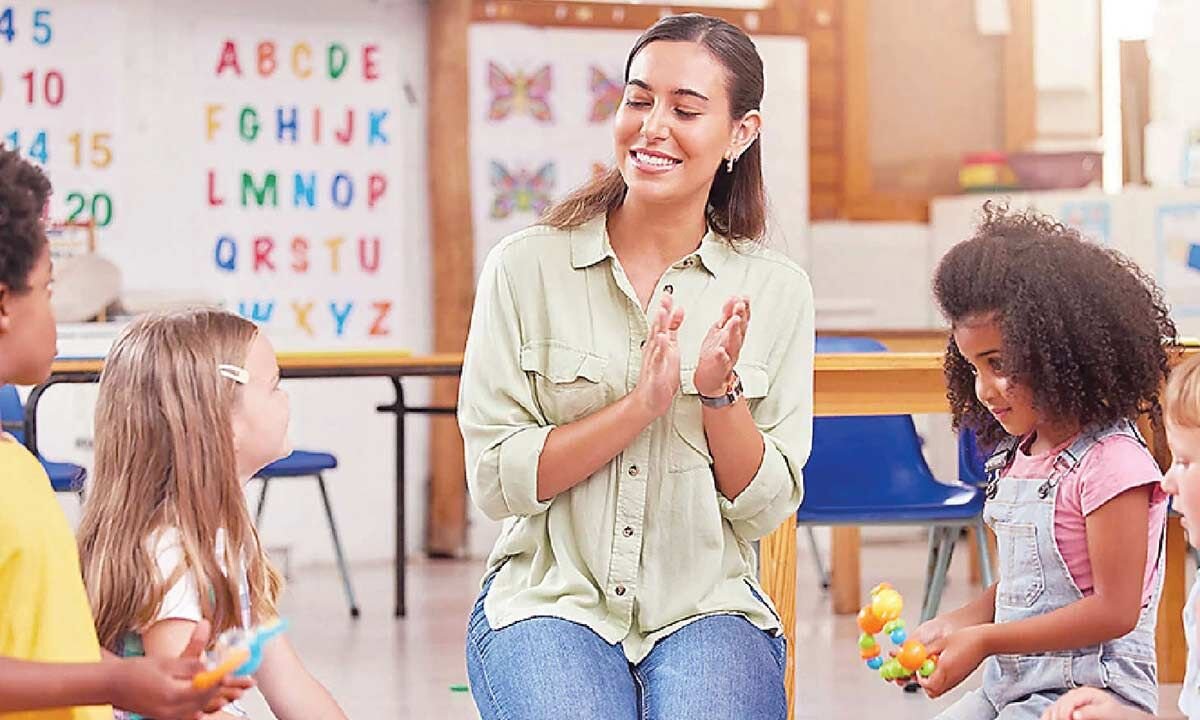
Emotional intelligence is increasingly being recognized as an essential life skill that complements academic learning and supports children’s overall development. Beyond classroom performance, skills such as self-awareness, empathy, emotional regulation and resilience help young people navigate relationships, cope with challenges and adapt to change. Growing attention to student well-being, particularly in the years following the Covid-19 pandemic, has encouraged schools and families to place greater emphasis on social-emotional learning. By fostering supportive environments and open communication, educators and parents can help children develop the emotional strengths needed to thrive both inside and beyond the classroom
Emotional intelligence has become an increasingly important part of conversations around child development and education. While academic achievement continues to remain central to learning, educators and psychologists are also highlighting the importance of helping children develop the emotional skills needed to understand themselves, build relationships and cope with challenges.
Beyond academic success
For many years, educational discussions focused largely on knowledge, discipline and academic performance. These remain essential aspects of learning and contribute significantly to personal and professional growth. Strong academic foundations continue to open opportunities and provide children with the knowledge and skills necessary for future success.
However, experts point out that academic excellence alone may not equip children with all the skills required to navigate the complexities of life. Children often encounter situations involving disappointment, failure, peer conflict, stress and uncertainty. The ability to recognize emotions, communicate effectively and respond constructively to setbacks can influence how they manage these experiences.
Emotional intelligence, therefore, is increasingly being viewed as an important complement to academic learning rather than a separate or optional skill. A child may excel in the classroom yet struggle with anxiety, self-doubt or difficulties in relationships. Equally, a child who develops empathy, emotional awareness and resilience may be better equipped to face challenges both within and beyond school.
Understanding emotional intelligence
Emotional intelligence refers to the ability to understand, express and regulate emotions while developing empathy, self-awareness and healthy relationships. Importantly, researchers note that emotional intelligence is not a fixed trait but a set of skills that can be developed over time.
Everyday interactions play a significant role in this process. Children learn emotional skills when they are encouraged to express their feelings, when their concerns are acknowledged and when they are taught that mistakes and setbacks are natural parts of growth. Consistent experiences of empathy, kindness and respectful communication contribute to building emotional resilience.
Simple conversations, active listening and positive role modelling by adults can help children develop confidence and emotional awareness. These experiences oftenshape how young people understand themselves and interact with others.
The growing focus on student well-being
The experiences of recent years, particularly during and after the COVID-19 pandemic, have drawn greater attention to children’s emotional and mental well-being.
Extended periods of isolation, disrupted routines and changes in social interactions affected many young people, prompting educators around the world to place increased emphasis on social and emotional development.
Many schools are now recognizing that emotional well-being and academic progress are closely connected. Students are more likely to engage meaningfully with learning when they feel safe, supported and understood.
As a result, schools are increasingly incorporating practices that support self-awareness, collaboration, communication and relationship-building. Through classroom discussions, mentorship, peer interactions and well-being initiatives, educators aim to create environments where students feel supported and better prepared to deal with challenges.
The role of families and schools
Experts emphasize that emotional intelligence develops most effectively when schools and families work together. Children often learn by observing the adults around them. How parents and teachers respond to stress, manage disagreements and communicate with others can shape children’s own emotional habits and attitudes.
When families and educational institutions reinforce values such as empathy, resilience, respect and open communication, children receive consistent guidance that supports their emotional development. Encouraging children to express their feelings, seek help when needed and view setbacks as opportunities for learning can contribute to long-term emotional well-being.
Preparing children for life
Education has always sought to prepare children not only for examinations but also for life beyond the classroom. Alongside knowledge and academic skills, qualities such as empathy, self-awareness, adaptability and resilience are becoming increasingly important in a rapidly changing world. As understanding of child development continues to evolve, emotional intelligence is being recognized as an essential component of holistic education. The aim is not only to nurture successful learners, but also to help young people grow into capable, compassionate and confident individuals.
(The author is Principal, JBCN International School, Parel)
