


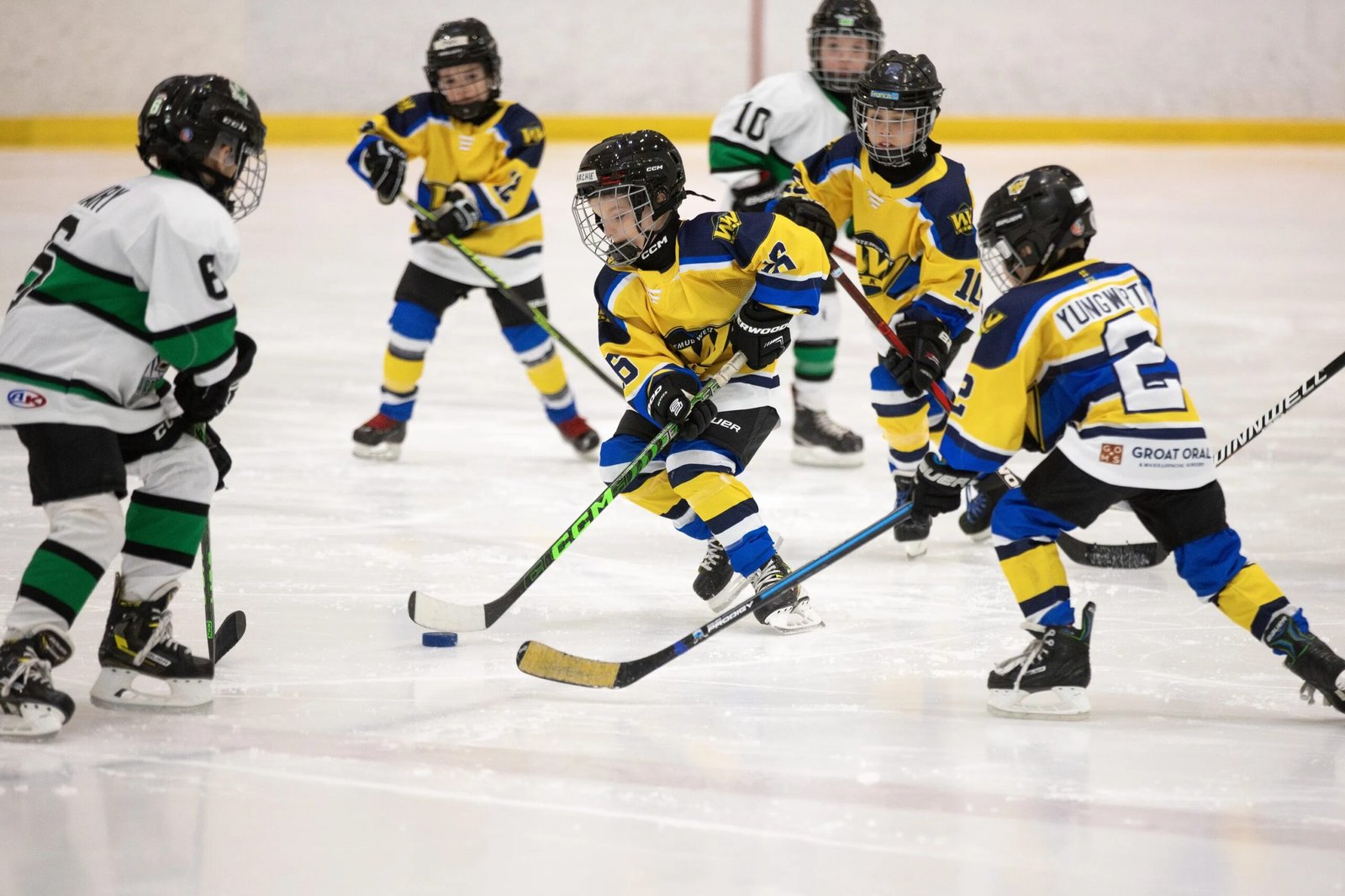
Summer means parks, pools and courts filled with kids playing soccer, football, baseball/softball, lacrosse, tennis, swimming and diving. Most of their adventures in sport is through organized leagues, where they learn basic skills and experience the joys and challenges of competition.
Getting kids involved in sport has been linked to several healthy behaviours beyond the immediate benefits associated with a bout of exercise. Researchers consistently report young athletes have better mental health (fewer symptoms of depression and better self-esteem), muscular fitness, bone health, body composition, cognitive functioning, social competence and peer connection, compared with kids who don’t play sports.
But more than just the benefits accrued in the short term, youth sport has often been touted as a way to embrace the joys and benefits of physical activity well into adulthood. Physical literacy and self-confidence go a long way when it comes to picking up a racquet, kicking or throwing a ball, or swimming for fitness as an adult.
But the pathway through youth sports can be rocky. There are lots of variables that kids can’t control, many of which have an effect on their experience. Coaches and parents have been known to take the fun out of playing. When winning takes priority, kids start to drop out. That doesn’t mean winning and fun can’t go hand in hand, but the objective of most youth sports leagues is to the promote the physical, mental and social benefits of being active, not only focusing on what it takes to win.
Parents are pivotable when it comes to keeping kids in the game. Not only are they responsible for registration and payment of league fees, but they’re also chauffeurs, cheerleaders and player advocates. But perhaps their most important role is to take advantage of the many teachable moments sport has to offer.
Emphasizing the importance of good sportsmanship by discussing the value of being a good teammate, respecting the opposition and abiding by the officiating is a continuing lesson. So is learning to come back after a tough loss or being cut from a team, managing the stress of competition, and learning to take direction and work as a team, all of which are skills that prove valuable throughout one’s lifespan.
But as much as the long-term benefits of organized sport are lauded, there is little evidence-based information on the lasting effects of youth sports. Part of the issue is the rates of participation drop dramatically as children hit their teen years — especially among girls. About 70 per cent of Canadian children play sports during childhood, but dropout rates increase rapidly during the high school years, making it tough to follow the path of young athletes to see what effect sports has on their future selves.
A research team from Sweden decided to review the existing pool of relevant research to see if there was enough evidence to “estimate the longitudinal effects of youth sport participation on psychological, physical, and social outcomes compared to non-participation.” Examining 48 eligible studies with sample sizes ranging from 76 to more than 50,000 participants and follow-ups from nine months to 54 years from the initial study, the researchers were able to offer a unique look as to how youth sports affects life as an adult.
“The results from our systematic review and meta-analysis indicate that individuals who participate in youth sports throughout childhood, adolescence, and adulthood engage in more physical activity, report better health and well-being, have a healthier body composition, and report less mental ill-being over time compared to non-participants,” the researchers said.
However, there were a couple of caveats. The Swedish researchers found no link between youth sports participation and lifestyle risk factors such as smoking, alcohol consumption, high blood pressure or metabolic diseases like type 2 diabetes.
Still, the results are strong enough that parents and coaches of young athletes should be reminded the goal of youth sports is to foster and sustain a love of sport and physical activity. Researchers agree at least some of the variation in sports participation and physical activity in adults is based on the opportunities, role models, experiences and influences that occurred during childhood and adolescence.
Most kids join their first team excited to wear a jersey and play with their peers. It’s the combined responsibility of coaches, parents and youth sports organizations to keep that joy alive as young athletes reach adolescence and beyond. That includes athletes who never progress beyond a recreational level of play as well as those who have been identified as future elite performers.
Sport for life is more than a catchy phrase. It’s the acknowledgment sports participation leads to greater health and well-being through all phases of life and a strong introduction to the best it has to offer results in a greater possibility our courts, pools, fields and ice rinks will be full of healthy adults still having fun well into their golden years.
