


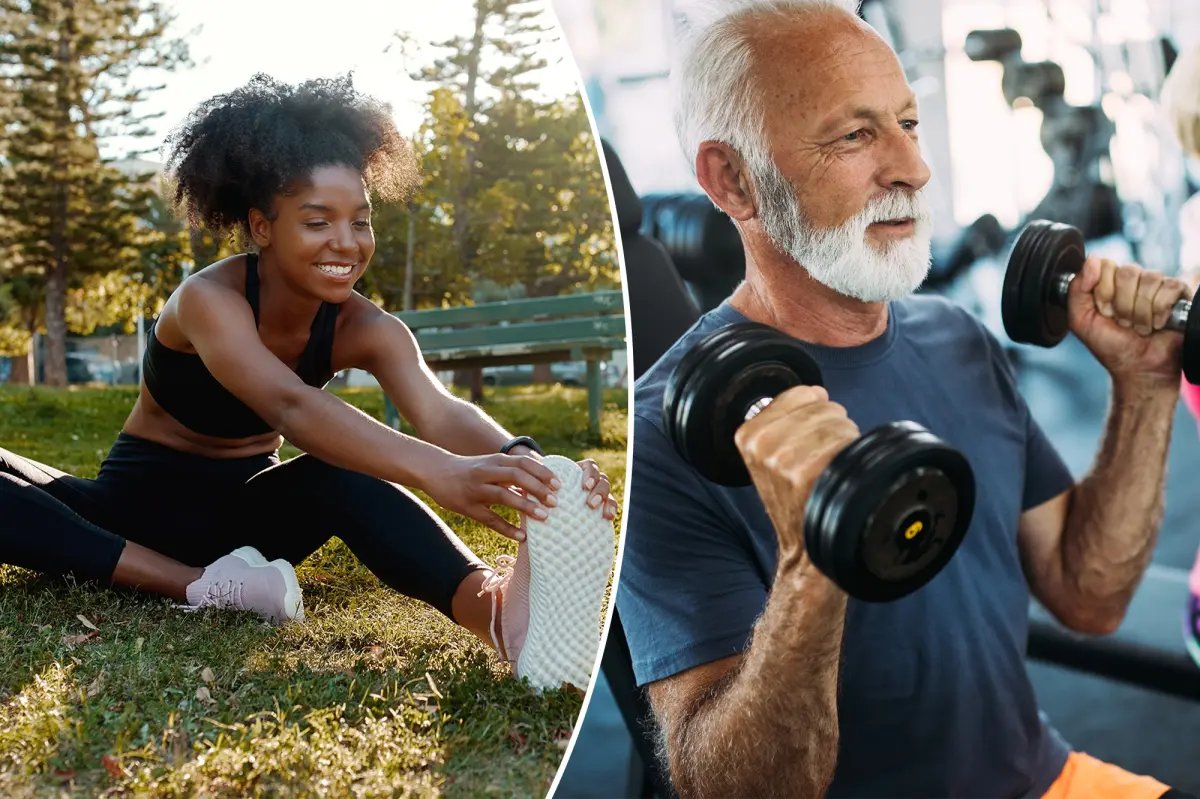
Six in 10 older adults and caregivers agree that older Americans take better care of themselves than younger generations (58%), according to new research.
A survey of 1,000 older adults (65+) and 1,000 caregivers of older adults (65+) explored what self-care looks like and its importance for older Americans.
Results found that 90% of older adults feel self-care has a positive impact on their day-to-day lifestyle.
For many, this includes taking walks (65%), watching shows and movies (54%), and meeting up with loved ones (51%).
Physical appearance makes a big difference, too, as many said that getting their hair cut or styled (45%), shaving or general grooming (41%), and completing a skincare routine (28%) are regular parts of self-care.
A survey of 1,000 older adults (65+) and 1,000 caregivers of older adults (65+) explored what self-care looks like and its importance for older Americans. NDABCREATIVITY – stock.adobe.com
Conducted by Talker Research for Home Instead, an Honor company and provider of in-home care for older adults, the survey found that those who regularly practice self-care are happier than those who do so less often (67% vs. 40%).
“This research reinforces that self-care isn’t about vanity — it’s about identity,” said Dr. Lakelyn Eichenberger, Ph.D., Gerontologist and Caregiving Advocate at Home Instead. “As we age, maintaining everyday routines like grooming, getting dressed, or preparing for the day can have a meaningful impact on confidence, dignity, and emotional well-being.”
The difference self-care makes in older Americans is clear to those around them, too.
Six in 10 older adults and caregivers agree that older Americans take better care of themselves than younger generations (58%), according to new research. Talker Research / SWNS
Seven in 10 caregivers said the older adults they care for regularly engage in general self-care (71%), and 57% said they regularly engage in grooming practices.
And 92% of caregivers say they feel a deep sense of pride when they see the clients they care for embrace grooming and self-care, empowering them to make the most of every day.
When they see self-care in action, caregivers can’t get enough of their clients’ transformation, with 91% saying there’s no greater joy than seeing them feel comfortable in their own skin.
Results found that 90% of older adults feel self-care has a positive impact on their day-to-day lifestyle. Talker Research / SWNS
Caregivers take note of how practicing grooming makes older adults feel prouder of their appearance (50%), increases their confidence (42%), and helps them enjoy life more (37%) — even more than general self-care.
Older adults themselves report feeling prouder of their appearance (53%), but also more like themselves (44%) when they practice grooming. Others described increased confidence (43%), a positive outlook on life (33%), and a sense of independence (31%).
Caregivers take note of how practicing grooming makes older adults feel prouder of their appearance. Talker Research / SWNS
“What we hear from families and Care Pros is that the smallest routines can have an outsized impact,” said Kim Atkinson, chief brand officer at Home Instead. “Helping older adults with everyday moments like getting ready for the day allows them to feel confident, independent, and like themselves. That’s core to how we think about care.”
For many, these moments strengthen bonds, with the majority of caregivers expressing that spending self-care time with older adults has made them closer (86%), and a similar percentage revealing that they enjoy helping with these moments (88%).
Nearly two-thirds of caregivers even said that spending self-care time with older adults is the best part of their day (63%).
Nearly two-thirds of caregivers even said that spending self-care time with older adults is the best part of their day. Talker Research / SWNS
With all that a caregiver can bring, older adults find themselves thinking through how having assistance would shift their everyday life.
Many may benefit from having extra help, as the average older adult would appreciate being reminded to prioritize self-care twice a week.
Start your day with all you need to know
Morning Report delivers the latest news, videos, photos and more.
Thanks for signing up!
Others could use help with their routines, since one in 10 has stopped doing a grooming/self-care activity that they enjoyed because it became physically difficult.
A fifth of adults 65 and older who don’t have a caregiver agree that having one would improve the likelihood of sticking to a grooming or self-care regimen, being more social, and improving the quality of their grooming routine.
Others could use help with their routines, since one in 10 has stopped doing a grooming/self-care activity that they enjoyed because it became physically difficult. Talker Research / SWNS
A fifth of adults 65 and older who don’t have a caregiver agree that having one would improve the likelihood of sticking to a grooming or self-care regimen. Talker Research / SWNS
Inspiration works both ways, too. Six in 10 caregivers are inspired by the older adults they care for to practice self-care and grooming at least once a day (63%).
Nearly all caregivers aspire to be as happy as the older adults they care for when they’re that age (87%).
BEAUTY/GROOMING TIPS FROM SENIORS:
- “No matter your age, older adult or not, take good care of your teeth so you can always feel like smiling.”
- “Walk every day.”
- “A good haircut can do wonders.”
- “Always stay clean-shaven and bathed.”
- “Use daily moisturizer and sunscreen.”
“No matter your age, older adult or not, take good care of your teeth so you can always feel like smiling,” a senior citizen said giving advice. StratfordProductions – stock.adobe.com
- “Stay active and hydrated and use products appropriate for your skin type.”
- “Never skip the grooming, even if you are staying home that day. Dress up, wear makeup, look your best because it will make you feel great/better.”
- “Put ‘bling’ combs in your hair.”
- “Get outside and into the sun. Soaking up some sunshine does wonders.”
Research methodology:
Talker Research surveyed 1,000 older adults (65+) + 1,000 caregivers of older adults (65+) from America and Canada who have access to the internet; the survey was commissioned by Home Instead and administered and conducted online by Talker Research between March 25 and April 6, 2026. A link to the questionnaire can be found here.
