


These realities pushed the Global Shapers Community Cebu Hub to create projectWAVE, an initiative focused on bringing healthcare support, mental health awareness and community empowerment closer to the grassroots level.
Short for Well-being, Awareness, Vitality and Empowerment, projectWAVE was developed as a response to what the organization describes as a growing but often overlooked mental health crisis in Cebu.
Part of the global network of the Global Shapers Community, the Cebu Hub has long focused its efforts on citizenship engagement, environmental conservation, business development and universal education. But over the past year, the group saw an increasing need to focus on mental health and healthcare access, especially after a series of disasters and social challenges affected communities across Cebu.
Research from reputable institutions has pointed to rising cases of stress, anxiety and depression, particularly among young adults. At the same time, many barangays still lack sustainable mental health support systems, trained responders and accessible psychosocial services. For the Cebu Hub, the issue goes beyond statistics.
Then came a difficult year marked by disasters, including typhoons, earthquakes, and public crises that further strained already vulnerable communities.
“projectWAVE is our response,” the organization shared.
Training communities
What makes the initiative different is its focus on long-term community involvement rather than one-time outreach activities. The project begins with providing essential medical equipment to remote barangays, particularly to help Barangay Health Workers during house-to-house health visits. Before distributing supplies, the team conducted needs assessments to ensure the equipment matched the actual challenges faced in the communities.
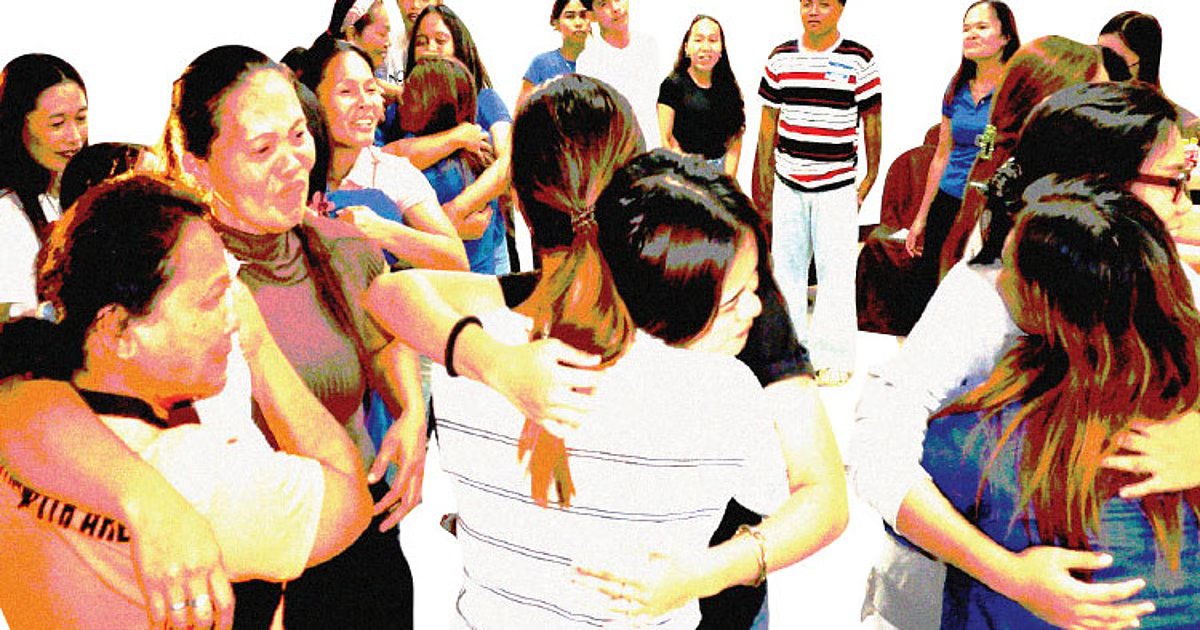
The second phase focuses on training SK officials and barangay workers through Training of Trainers sessions, equipping them with basic mental health support skills. Instead of relying solely on outside experts, the initiative invests in people who are already embedded in the community. The third phase encourages barangays to create and sustain their own mental health programs and activities. In Barangay Lahug, for example, youth and SK leaders worked with projectWAVE to co-design community-based initiatives that can later be adapted by other barangays.
For the organization, sustainability comes from community ownership. “People over programs,” the group emphasized, explaining that lasting impact happens when local leaders themselves are empowered to continue the work long after the initial project cycle ends.
Partnerships also play a major role in keeping the initiative active. projectWAVE works closely with barangay units, the Cebu City local government, youth councils and private sector partners to ensure programs are grounded in actual community needs. The organization admits that sustaining collaboration among different sectors remains one of the project’s biggest challenges. But they believe continued investment in healthcare resources and mental health initiatives is necessary, especially for underserved communities.
Aside from measurable outputs, the Cebu Hub hopes projectWAVE creates a deeper sense of support within communities, not just for residents seeking care but also for Barangay Health Workers and youth leaders carrying much of the responsibility on the ground.
At the center of the initiative are young Cebuanos who chose to respond to problems they witnessed firsthand. “Young people are not waiting for permission to lead,” the organization said.
For the team, advocacy is about building systems that communities can eventually sustain on their own. The initiative may have started from urgency, but the organization hopes its impact will last far beyond the present moment. Creating communities where healthcare, mental health support and compassion become more accessible to every Cebuano. S
Neille Pauline C. Gillera / Writer
