


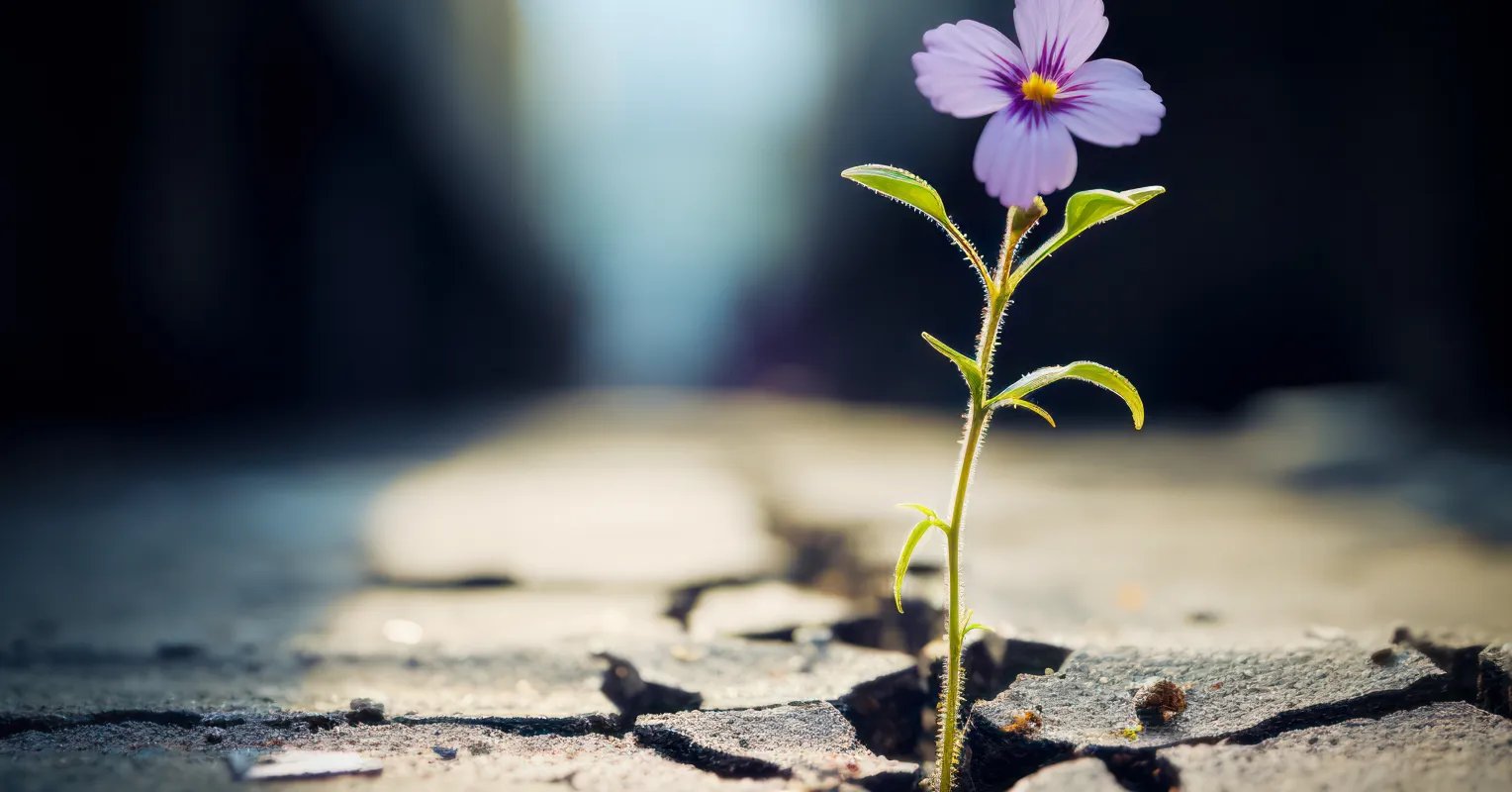
New research reveals that resilience is linked with social connections, adaptive coping mechanisms, access to mental health resources, and spirituality (Pasha et al., 2026; Sumaiya et al., 2025).
A 2025 study explores spirituality and related domains as a “transformative force in fostering psychological resilience and psychological health” (Sumaiya et al, 2025).
Whether we are dealing with life’s day-to-day adversities, uneasiness about the state of our world, or struggling to pay our bills, resilience is essential for ongoing flourishing and well-being. Resilience is the ability to respond and adapt to adversities with flexibility.
Research shows that we can build our resilience with strategies that can be learned and practiced. Sumaiya et al. (2025) propose a framework for holistic resilience involving four strategic categories:
- Spiritual anchoring: an inner grounding or stabilizing compass that provides meaning and a sense of internal steadiness in pleasant and difficult times. Related practices, including mindfulness, journaling, prayer, reflection, gratitude, and meaningful readings, can contribute to anchoring.
- Emotional regulation: monitoring and managing one’s emotions, impulses and moods. There are many practices that can help bolster emotional regulation, such as reframing situations or reactions, awe, strengthening tolerance of ambiguities, patience, and supportive relationships.
- Communal belonging: engaging in relationships and connections with others, individually and in groups. Examples include attending church, synagogue, mosque, or other spiritual organizations; attending meaningful groups, clubs, or meetings; engaging with family and friends; and participating in meaningful rituals.
- Cognitive reframing: reappraising difficult situations, suffering, and uncomfortable circumstances with more balanced, hopeful framing. For example, an unwanted loss of a job might be reframed as an opportunity to move in a different direction that might otherwise not have been considered.
Seeking meaning and spirituality, and practices to help us live with greater resilience, are available to each of us. Each day offers opportunities to seek new understandings and practice new strategies to help ourselves awaken to our foundational authenticity, evolving understandings, and abilities to transform and transcend as we explore our places in this interconnected world (Berns-Zare, 2025).
The sciences of quantum physics and astronomy are accumulating evidence that the Earth and universe are far more complex and interconnected than humans had ever imagined (Yusim, 2017). These vast interconnections seem to be at the core of the essence of who we humans are. Thus, connecting and aligning with our core beings, whether we conceptualize this as authentic self, true self, spirit, essence, soul, or something else, can be integral to aspiring toward living life with greater meaning, resilience, and fulfillment.
No doubt suffering, difficulties, and challenges are part of the human condition. Yet, much has been learned and studied about resilience, meaning, and their connections with emotional well-being. Meaning-making and integrating a sense of spirituality can be transformative in strengthening our resilience and emotional wellness.
© 2026 Ilene Berns-Zare, LLC, All Rights Reserved
Disclaimer: This article is for informational purposes only. No content is a substitute for consulting with a qualified mental health or healthcare professional.
