

Close Menu

    Subscribe to Updates

    Get the latest creative news from FooBar about art, design and business.

    What's Hot

    Why Experienced Workers Take Dangerous Shortcuts

    July 14, 2026

    People Said You Can’t Retire On Social Security Alone Until This New Jersey Town Proved Them Wrong

    July 14, 2026

    The 3 Vanguard ETFs Every Retiree Should Own Before Social Security Kicks In

    July 14, 2026
    Facebook X (Twitter) Instagram
    Trending
    • Why Experienced Workers Take Dangerous Shortcuts
    • People Said You Can’t Retire On Social Security Alone Until This New Jersey Town Proved Them Wrong
    • The 3 Vanguard ETFs Every Retiree Should Own Before Social Security Kicks In
    • 4 Types And How To Recover Faster
    • DepEd boosts early childhood nutrition through Supplemental Feeding Program
    • How to Find a Genuine Artisan Jewelry Brand for Your Engagement Ring
    • How Stress Can Increase the Risk of Substance Misuse
    • This city just voted to eliminate ‘hostile architecture’
    Moving MountainsMoving Mountains
    Facebook X (Twitter) Instagram
    Tuesday, July 14
    • Home
    • Mental Health
    • Life Skills
    • Self-Care
    • Well-Being
    • Awareness
    • Inspiration
    • Workers Comp
    • Social Security
      • Injuries
      • Disability Support
      • Community
    Moving MountainsMoving Mountains
    Home » How Japanese Fish Printing Grew from Documenting Day’s Catch to Acclaimed Artform
    Inspiration

    How Japanese Fish Printing Grew from Documenting Day’s Catch to Acclaimed Artform

    TECHBy TECHJune 1, 2026No Comments4 Mins Read
    Facebook Twitter Pinterest LinkedIn Tumblr Reddit WhatsApp Email
    How Japanese Fish Printing Grew from Documenting Day's Catch to Acclaimed Artform
    Share
    Facebook Twitter LinkedIn Pinterest WhatsApp Email

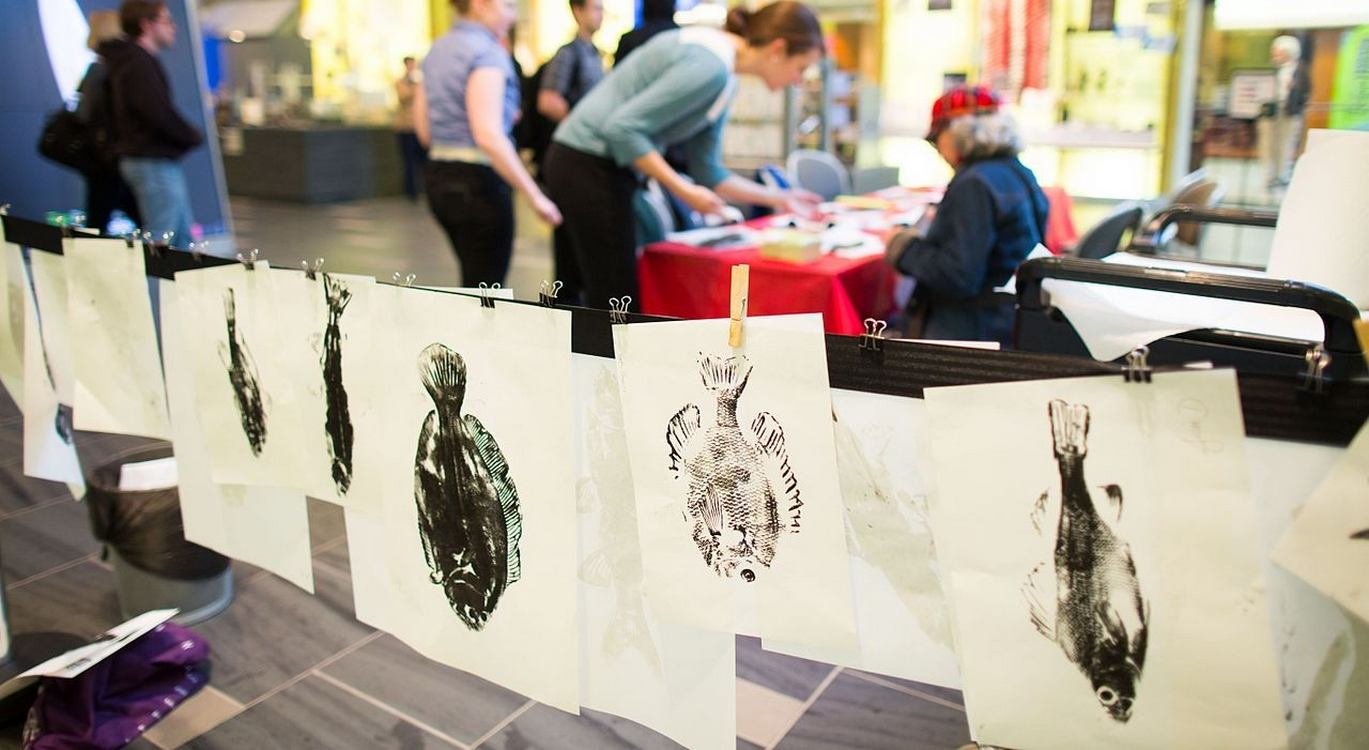
    Gyotaku, or fish prints, drying on a line – credit, Science History Institute, photograph by Conrad Erb CC 3.0. via Wikimedia

    From its humble origins as a method of documenting noteworthy catches, for sale or for record setting, the art of fish printing, or “gyotaku” has rapidly become an international fine art phenomenon.

    As Japanese as a Geisha cutting a sushi roll with a samurai sword, gyotaku is infused with all the lovely idiosyncrasies of the country—from its famous appreciation for fish, to its extreme demands of discipline and attention.

    Gyotaku can be traced back to the 19th century when fishermen would smear a fish with sumi ink and press it onto washi paper to create a print of the fish. Unable to do anything half-heartedly, the Japanese fishermen gradually learned the tricks of how to make the best prints, and eventually switched from monochrome to color paints.

    Since then the practice has developed into a true artform, with methods, schools, and techniques for drying and preparing the fish.

    Preparation is key since a fish comes with all kinds of slime and liquid that could ruin the delicate rice paper typical of gyotaku prints. The slime has to be removed and various openings plugged to prevent water from leaking out.

    Two chief methods exist: the first is known as direct gyotaku and involves only straightforward steps of drying the fish, layering on the ink or paint, and rubbing it with washi paper. The image appears in reverse.

    – credit, courtesy of Elena Di Capita

    The indirect method sees either paper or cloth placed over the fish and secured with rice paste to a board. This allows the artist to create a work that isn’t in reverse.

    Both methods permit the fish to be eaten, and in both too the eye must be painted after, since no pigment will stick to fish’s eye. Additional innovations have seen a variety of different coloring techniques that reflect the iridescence of a fish’s scales or the density of the animal’s skin pigments during various life stages.

    Japan Times spoke with the grandson of a renowned gyotaku master, Keisuke Matsunaga, who said that pigment application is a race against time and must be completed in about 30 minutes before renewed moisture from the fish begins to degrade it.

    One consistent theme is that there can be nothing but the eye added afterwards. Any touch ups push the artform from printing towards painting.

    Gyotaku has spread far beyond the shores of the home islands, developing in Australia, Italy, America, Hawaii, Brazil, and elsewhere.

    Elena Di Capita in her studio – credit, supplied courtesy of the artist

    In Italy’s seaward region of Liguria, Elena Di Capita, has expanded the horizons of gyotaku in Europe, and in fact “is the artist that brought it to Italy,” she tells GNN.

    Her work is focused mainly on schools of anchovies, the most important fish in her home region. She deviates from the traditional gyotaku by mixing different biological environments and by creating huge compositions with a highly dynamic look.

    A bycatch composition – credit, courtesy of Elena Di Capita

    Additionally, she explains she works with bycatch, a term to describe fish caught incidentally in the pursuit of gamefish. In effect, these animals “died for nothing” and so by creating metaphorical geographies through gyotaku, she gives the fish a new meaning and a tribute to their accidental loss.

    “My work with them is about giving them dignity. It’s a way to celebrate life,” she told the Times.

    In the US, gyotaku is not uncommon to find in aquariums or in elementary school classrooms. Gyotaku in its most rudimentary form is something children can do and do fairly well.

    SHARE This Beautiful, Simple, And Dynamic Japanese Artform With Your Friends…

    Acclaimed Artform Catch days Documenting Fish Grew Japanese printing
    TECH
    • Website

    Related Posts

    How to Find a Genuine Artisan Jewelry Brand for Your Engagement Ring

    July 13, 2026

    15-yo Creates App for Reporting Potholes to the Government, and Uses AI to Help with Follow-up

    July 13, 2026

    Robert Greene’s Unfiltered Business Strategies

    July 13, 2026
    Leave A Reply Cancel Reply

    Don't Miss
    Workers Comp

    Why Experienced Workers Take Dangerous Shortcuts

    By TECHJuly 14, 20260

                                 …

    People Said You Can’t Retire On Social Security Alone Until This New Jersey Town Proved Them Wrong

    July 14, 2026

    The 3 Vanguard ETFs Every Retiree Should Own Before Social Security Kicks In

    July 14, 2026

    4 Types And How To Recover Faster

    July 14, 2026
    Stay In Touch
    • Facebook
    • Twitter
    • Pinterest
    • Instagram
    • YouTube
    • Vimeo
    Our Picks

    Why Experienced Workers Take Dangerous Shortcuts

    July 14, 2026

    People Said You Can’t Retire On Social Security Alone Until This New Jersey Town Proved Them Wrong

    July 14, 2026

    The 3 Vanguard ETFs Every Retiree Should Own Before Social Security Kicks In

    July 14, 2026

    4 Types And How To Recover Faster

    July 14, 2026

    Subscribe to Updates

    Get the latest creative news from SmartMag about art & design.

    About Us

    At Moving Mountains, we believe that every individual has strength, value, and purpose—regardless of mental health challenges or physical disabilities. This platform was created to inspire hope, promote understanding, and empower people to live meaningful and confident lives beyond limitations.

    Latest Post

    Why Experienced Workers Take Dangerous Shortcuts

    July 14, 2026

    People Said You Can’t Retire On Social Security Alone Until This New Jersey Town Proved Them Wrong

    July 14, 2026

    The 3 Vanguard ETFs Every Retiree Should Own Before Social Security Kicks In

    July 14, 2026
    Recent Posts
    • Why Experienced Workers Take Dangerous Shortcuts
    • People Said You Can’t Retire On Social Security Alone Until This New Jersey Town Proved Them Wrong
    • The 3 Vanguard ETFs Every Retiree Should Own Before Social Security Kicks In
    • 4 Types And How To Recover Faster
    • DepEd boosts early childhood nutrition through Supplemental Feeding Program
    Facebook X (Twitter) Instagram Pinterest
    • About Us
    • Contact Us
    • Privacy Policy
    • Terms & Conditions
    • Disclaimer
    © 2026 movingmountains. Designed by Pro.

    Type above and press Enter to search. Press Esc to cancel.