


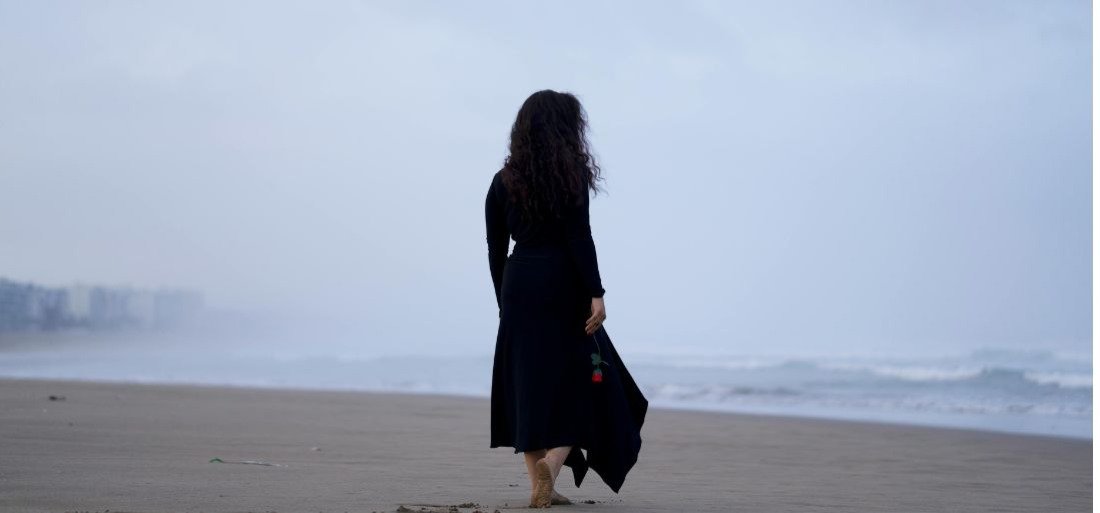
You see it everywhere now. Women waking up at 6 am for Pilates classes, taking themselves out on solo coffee dates, journalling through heartbreak, listening to therapy podcasts on long walks, and proudly talking about ‘protecting their peace’. Much like the rise of silent wellness retreats, sensory spas, and slow living rituals, modern self-care has become quieter, softer, and deeply inward-looking. For a generation overwhelmed by burnout, unstable relationships, and constant overstimulation, there is something genuinely comforting about learning how to slow down and prioritise yourself.
At the same time, the culture surrounding wellness has also quietly turned emotional self-sufficiency into an aspiration. Somewhere between the healing, boundary setting, and endless self-work, other people started to feel like something to outgrow. For many Gen Z women, wellness no longer feels like simply becoming happier or more balanced but learning how to survive without relying too much on anyone else.
Pexels
What began as a healthy shift towards self-awareness has gradually evolved into something far more individualistic. Modern wellness often encourages people to retreat inwards rather than rely on others. Solitude now feels aspirational, while emotional dependence has become increasingly uncomfortable.
Wellness becomes quieter and more individual
Over the last decade, wellness has shifted from something collective to something deeply personal. Earlier forms of care were built around friendships, family structures, shared routines, and community. Today’s version of self-care is far more solitary.
Private journalling, solo travel, therapy sessions, meditation apps, wellness podcasts, and carefully curated morning routines have become the new symbols of emotional wellbeing. Online wellness culture reinforces this constantly through phrases like “protect your energy,’ ‘heal in private,’ and ‘don’t disturb your peace’.
Much like the growing popularity of silent retreats and sensory wellness spaces, emotional wellness itself has become quieter. Younger generations increasingly crave stillness, calm, and emotional control in response to modern burnout.
The paradox of modern self-care
The contradiction, however, is hard to miss. Women today are more emotionally self-aware than ever before. Conversations around boundaries, attachment styles, therapy, burnout, and nervous system regulation have all entered the mainstream. Yet despite this growing emotional awareness, feelings of loneliness and exhaustion continue to remain strikingly high.
Part of the issue is that wellness has quietly become another form of self-optimisation. Rest is tracked, healing becomes productive, and emotional independence begins to feel less empowering and more expected.
In trying to avoid emotional chaos, many people have unintentionally built lives that minimise emotional closeness altogether. Friendships become harder to maintain because everyone is busy protecting their peace. Dating feels emotionally exhausting because vulnerability itself now feels risky.
Pexels
Collective wellness is making a comeback
Interestingly, younger generations are already beginning to move towards softer and more communal forms of wellness again. Book clubs, walking groups, supper clubs, hobby circles, and other community-driven experiences are quietly replacing the pressure of constant self-improvement.
Perhaps the next phase of wellness will not revolve around becoming emotionally untouchable. Instead, it may focus on relearning connection, vulnerability, and the simple reality that humans were never designed to heal entirely alone.
Lead Image: Pexels
Read iDiva for the latest in Bollywood, fashion looks, beauty and lifestyle news.
