


Sleep is a complicated process that can be influenced by a range of factors, from your hormones to how much you exercise. Unsurprisingly, your diet can also play a role.
“What you eat can subtly affect how well you sleep,” says Keri Gans, RDN, host of The Keri Report podcast. Certain nutrients help the body produce melatonin, a hormone that regulates the sleep-wake cycle, and support the brain chemicals involved in sleep, she explains.
If you struggle with sleep or have a sleep disorder, adding particular foods to your plate is unlikely to magically turn things around. “Instead, foods can provide certain nutrients that can be supportive of sleep,” says Jessica Cording, RD, author of The Little Book of Game Changers. “That includes eating the right balance of protein, fat, and carbohydrates.”
Related: This Food Group May Be the Secret to Better Sleep, According to a New Study
The timing of your snacks or meals can influence sleep, too. It takes about three hours for your stomach to break down and empty its contents, which means it’s important to wrap up eating well before bed, says Sandra Zhang, RDN, at the Frances Stern Nutrition Center at Tufts Medical Center. “Eating and laying down soon after can cause acid reflux,” she points out.
Dietitians agree that if you can get the timing right, certain foods can support better sleep. Here’s what they suggest adding to your plate.
Kiwi
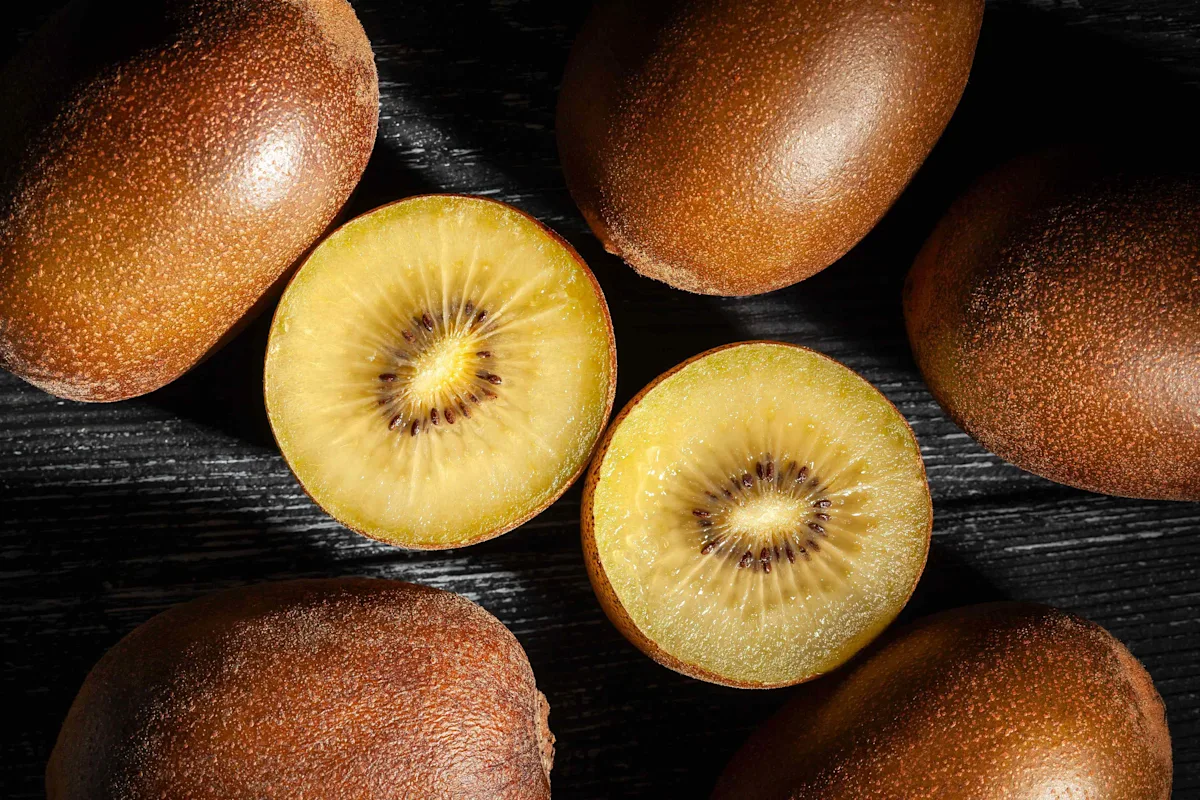
Kiwi is a good source of magnesium, an essential mineral that helps calm the nervous system and supports the body’s production of melatonin, Cording explains. Gans also points to kiwis. “Some evidence suggests kiwis have a positive impact on sleep,” she says. A study published in the journal Nutrients asked participants to eat two medium-size kiwis before bed for four weeks. The researchers found that the fruit had “clinically significant improvements” in sleep quality in participants.
Related: 5 Kiwi Recipes for Tropical Summer Treats
Turkey
Turkey contains tryptophan, an amino acid and precursor to melatonin and serotonin, a hormone that regulates mood and the sleep-wake cycle, Zhang says. “It helps with relaxation and sleep.”
“This is definitely an important one,” Cording concurs. While it’s unlikely to make you magically conk out after you eat it, she says it may help you wind down.
Eggs
Like turkey, eggs contain tryptophan, but that’s not all. “It also has protein and vitamin D, aiding sleep regulation while keeping you satisfied so hunger doesn’t wake you up,” Gans says. Eggs contain vitamin B6 as well, which “helps convert tryptophan to serotonin,” according to Zhang.
Eggs even provide melatonin, Cording points out. “I love eggs as a breakfast-for-dinner solution,” she says. “It’s a great option if you want a little support.”
Related: 11 Breakfast-for-Dinner Recipes, From Chilaquiles to Savory Oatmeal
Credit: Tingting Wu / Getty Images
Tart cherries
Tart cherries and tart cherry juice “contain natural melatonin that can induce sleep,” says Christen Cooper, RDN, an associate professor in the College of Health Professions at Pace University.
One scientific analysis published in the journal Food Science & Nutrition in 2025 found that drinking about an ounce of tart cherry juice for seven days increased the total amount of sleep people got, along with their sleep efficiency (the percentage of time people spend asleep in bed).
Milk
Milk has a lot going for it. “[It’s] a good source of protein and it’s super-helpful for stabilizing blood sugar,” Cording says, which is important for uninterrupted sleep.
Milk also offers tryptophan and calcium. “Calcium is involved in cell signalling between muscles and nerves and can be important for sleep,” Cording says. “It also helps the body settle down for sleep.”
Bananas
Bananas contain magnesium and potassium, both of which can help with muscle relaxation, says Gans. “It also contains vitamin B6, which supports melatonin production,” she adds. Vitamin B6 is also involved in how the body produces tryptophan and serotonin, according to Cording. One small study of 21 people with insomnia found that they slept better when they ate a banana or had a glass of milk before bed.
Avocados
“I often recommend avocados for sleep,” Cording says. This nutrient-dense fruit delivers magnesium and unsaturated fats, which are linked to relaxation and more stable energy overnight, Gans says. Fiber in avocados also supports blood sugar management, according to Zhang.
A randomized controlled trial of 969 people published in the Journal of the American Heart Association found that adults who ate one avocado a day for six months reported better sleep compared to those who ate fewer than two avocados a month. (Worth noting: The study wasn’t originally designed to look at sleep.)
Related: 22 Amazing Avocado Recipes From Salsas to Ceviche
Credit: Catherine McQueen / Getty Images
Sweet potatoes
These vegetables provide complex carbohydrates and potassium, per Gans. “They may promote relaxation and help maintain steady blood sugar levels during sleep,” she says. Cording also calls sweet potatoes “a fantastic source of potassium.” A medium sweet potato contains up to 16% of the recommended daily allowance of potassium.
Walnuts
“Walnuts contain natural sources of magnesium and melatonin, which can help improve sleep quality,” Zhang says. A randomized trial of 76 young adults published in 2025 found that when participants ate 1.4 grams of walnuts a day during dinner for eight weeks, they fell asleep faster and had better sleep quality than when they didn’t eat walnuts with dinner.
Final takeaways
Ultimately, the right foods can help with sleep, but will only get you so far. “If you notice that you are eating really well to support sleep and practicing good sleep hygiene, but you’re still struggling, it’s a good idea to consult a sleep medicine specialist,” Cording says.
Read the original article on Food & Wine
