


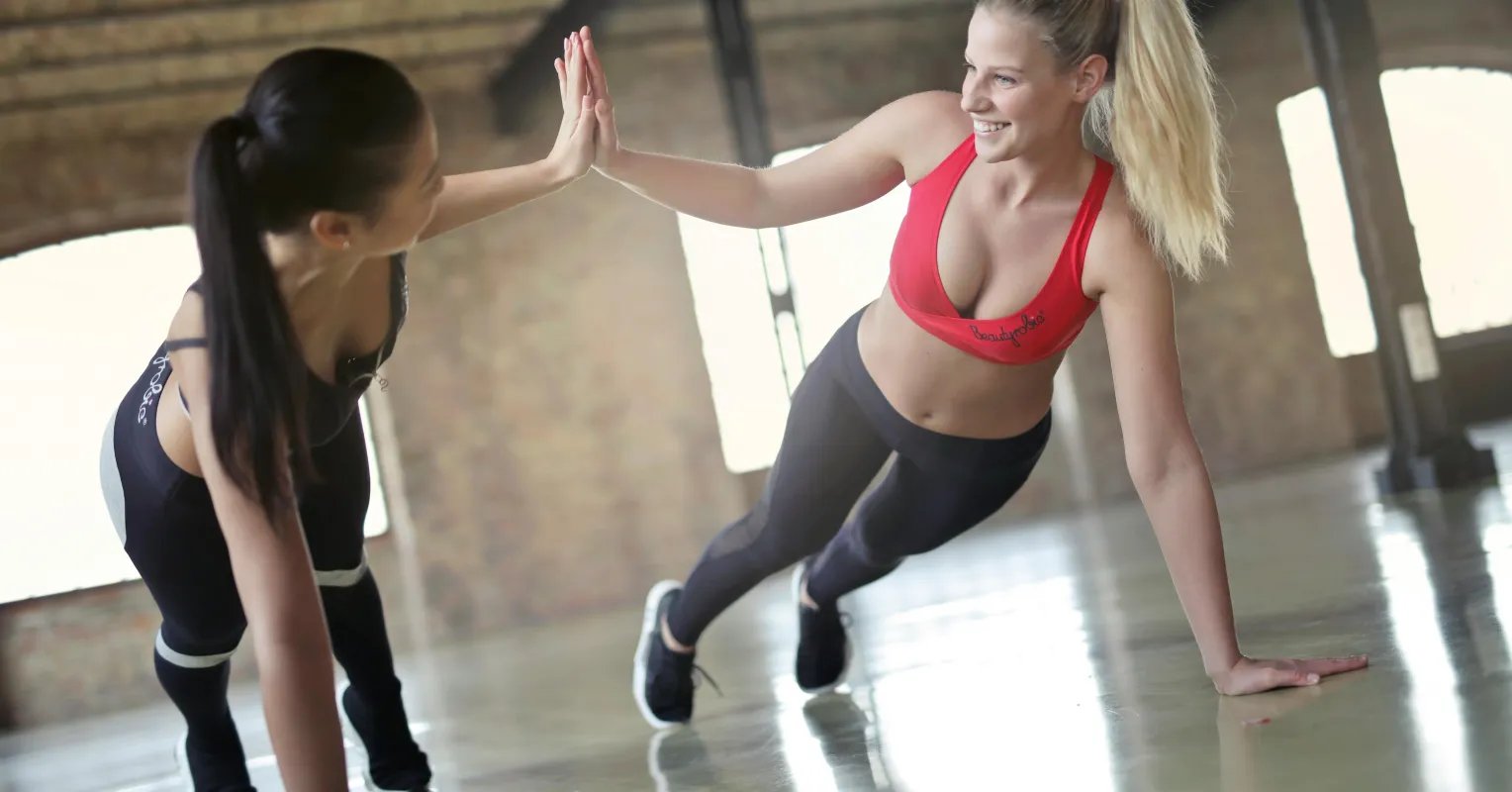
Nearly everyone knows that exercise supports both physical and mental health. It can improve heart health, reduce anxiety and stress, and enhance sleep and mood. More recently, social connection has also been recognized as a powerful contributor to well-being. But what many of us may not realize is what happens when we combine the two: exercising with others may not only enhance our physical health—it can also deepen our sense of connection.
Recent research supports this idea. Group exercise has been shown to significantly decrease symptoms of anxiety and depression and enhance overall psychological functioning. For example, a 2026 meta-analysis of nearly 80,000 participants, published in the British Journal of Sports Medicine, found that group exercise was associated with greater reductions in depression.
Similarly, a 2026 study of 218 college students found that participation in group exercise was linked to greater well-being. Students who engaged more frequently in group exercise reported less stress, higher confidence, and stronger coping skills.
Additionally, a 2025 Frontiers in Psychology study suggests that group fitness—whether through college team sports or community exercise classes—can reduce feelings of inferiority while naturally promoting social interaction and peer bonding.
Together, these findings serve as a reminder of the importance of engaging in physical activity with others rather than always going it alone. It’s good for our body, mind, and heart.
This idea also echoes something that I (“Suzie”) learned in graduate school nearly 20 years ago from social psychologist Jonathan Haidt: The self can be an obstacle to happiness, so we must lose ourselves occasionally in collective experiences to achieve the highest levels of human flourishing.
Through what Haidt calls the “hive hypothesis,” I realized that one way to increase my own happiness was to shift some of my exercise routines from solo activities to those performed in unison with others. I began incorporating more group activities that involve rhythmic and synchronous movement.
Historically, such collective activities have fostered harmony and cohesion within groups and provided pleasure and connection—core human needs that are often lacking in Western society. As a result, many people today experience feelings of loneliness and anxiety.
Haidt and colleagues argue that certain social practices evolved to promote “hiving,” helping groups function cohesively and stay together in a coordinated fashion. In this view, some of the most profound and enduring forms of human happiness arise when we engage in the type of activities that helped our ancestors’ groups be successful.
Wired to Move Together
Since the beginning of time, humans have shown an intrinsic love of “moving together in time”—through dance, ritual, parades, and other synchronous activities. These shared experiences strengthen social bonds and reflect our “hive-like” social nature.
Current research supports this as well. A study by Stanford psychologist Scott Wiltermuth and colleagues published in Psychological Science suggests that acting in synchrony with others—whether marching, clapping, or dancing—can increase cooperation in a group and strengthen social bonding, both of which are essential for our survival and collective well-being.
Yet, in today’s fast-paced society, many people opt for individualized forms of exercise, such as running, because they are efficient, flexible, and can fit into a busy schedule. And to be clear, we are not dismissing solo exercise such as running; it’s something we both enjoy and practice regularly.
However, if solo activity is all we do, we may be missing out on valuable opportunities for connection. Participating in group fitness classes, yoga, or community dance offers a powerful way to build cohesion while benefiting the individual as well.
Research also shows that being part of a group with which one strongly identifies is associated with higher well-being. During shared activities—like team sports or group classes—we often experience a sense of “communitas”: a feeling of connection, inspiration, vitality, and shared purpose. In these moments, we may even enter a state akin to what Mihaly Csikszentmihalyi, the pioneering co-founder of positive psychology, describes as group “flow,” where our individual concerns fade, and we feel connected to something larger than ourselves.
These psychological phenomena—synchronized movement and the joy of self-transcendence—are central to the deep pleasures we derive from “hive” activities, according to Haidt.
To reap these benefits, consider making a commitment to yourself to incorporate more group-based movement into your exercise routine. Activities like yoga, which synchronizes breath, or dance, which coordinates movement, can be especially powerful.
Think about the energy and sense of satisfaction you feel when your body moves rhythmically during a solo workout. Now imagine amplifying the experience in the presence of others. What better way to deepen joy than to share it with others?
We already know that exercise alone improves physical and mental health. By applying the principles of “hive psychology” to the way we move, we can also strengthen our social bonds—building the kind of connection that may further enhance our well-being.
