


Mental health was not even dreamt of until very recent times. As we know from the works of Charles Dickens, in Queen Victoria’s day anyone who “wasn’t right in the head” would have ended up in the madhouse, or, if a little luckier, the workhouse.
In the 20th century, the likelihood was that someone approaching their doctor suffering from what would now be regarded as a stress-related issue would be told to “get a grip” or given a few pills as a placebo.
However, nowadays mental health has become de rigueur, leading to a major drain on the NHS and the economy, although sufferers will at least be greeted with sympathy and tablets, which may or may not be very effective remedies.
It is unsurprising that some occupations are much more likely to lead to mental health problems than others. Apparently, cricketers both current and retired are disproportionately affected, and a recent study carried out by the Actors’ Trust delivers similarly concerning results. Given the uncertainty and insecurity in both professions, the parallels are obvious.
A new study commissioned by the Actors’ Trust, which polled almost 3,600 actors and 100 stage management professionals, claims to be the largest of its kind into the acting profession. Publication coincides with the launch of a new mental health service specifically for performing arts professionals. This is delivered in partnership with Well-being and the Arts and offers free therapy and peer support initiatives.
The headline messages from the study are frightening. In particular, in the last 12 months, 25% of actors have had thoughts that they would be better off dead or of hurting themselves. This is almost four times the rate in the general population. Further, three-quarters of those surveyed have experienced a problem with their mental health in the last three years, such as anxiety or depression. This compares with 20% of the general population.
Sometimes, statistics need to be put into context. Assuming that the numbers are relatively representative, then if you visit a theatre and watch a play with a cast of four, one of them will have thought of killing or hurting themselves in the last year, while three will have suffered from anxiety or depression in the last three years.
It also says something worrying about society today that almost 60% of actors and not far fewer stage management professionals suffer from body image concerns and/or eating disorders. Even acknowledging that surveys of this type can be unrepresentative and may unintentionally lead to results that lean towards extremes, this is deeply concerning.
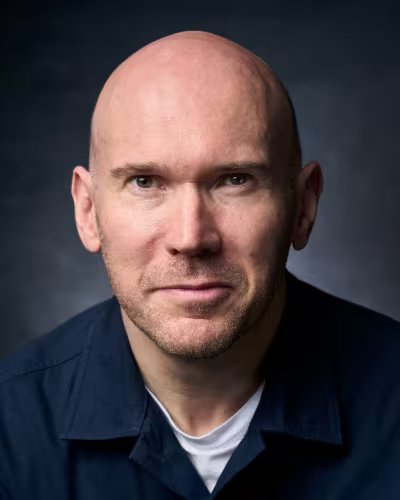
Actor Alex McQueen, who chairs the Actors’ Trust, has a comprehensive understanding of the issues:-
“Like all actors, when we get the opportunity to go to work, it is a feeling like nothing else. It promises a day connected to like-minded people who want to create characters and stories which ultimately reminds us, as audiences, that we are not alone in our fears, desires or mistakes.
“The purpose of this research was to gain a comprehensive picture of the challenges facing the profession, so we as a charity can ensure we are offering support exactly where and when it is most needed.
“The findings have been truly striking. While many actors and stage management find great meaning and fulfilment in their work, the structure and culture of the industry often intensify existing vulnerabilities. The reality for many actors and stage management professionals is one of poor mental wellbeing.”
Simon Callow, who is a trustee, arguably makes the point even more powerfully. “The latest report from Actors’ Trust shows beyond dispute that far too many people in our industry are in trouble, trying to cope on their own with financial problems and mental health challenges, silently bearing their burdens while continuing to give their all to inspire and delight their audiences.”
In this light, we must hope that the actions taken by the Actors’ Trust begin to have an impact immediately and, in the longer term, the industry and the country need to address the concerns raised to prevent impending tragedy.
