


Social Security recipients could see a larger‑than‑expected cost‑of‑living adjustment (COLA) in 2027 if surging oil prices tied to the war with Iran continue to push inflation higher, experts say.
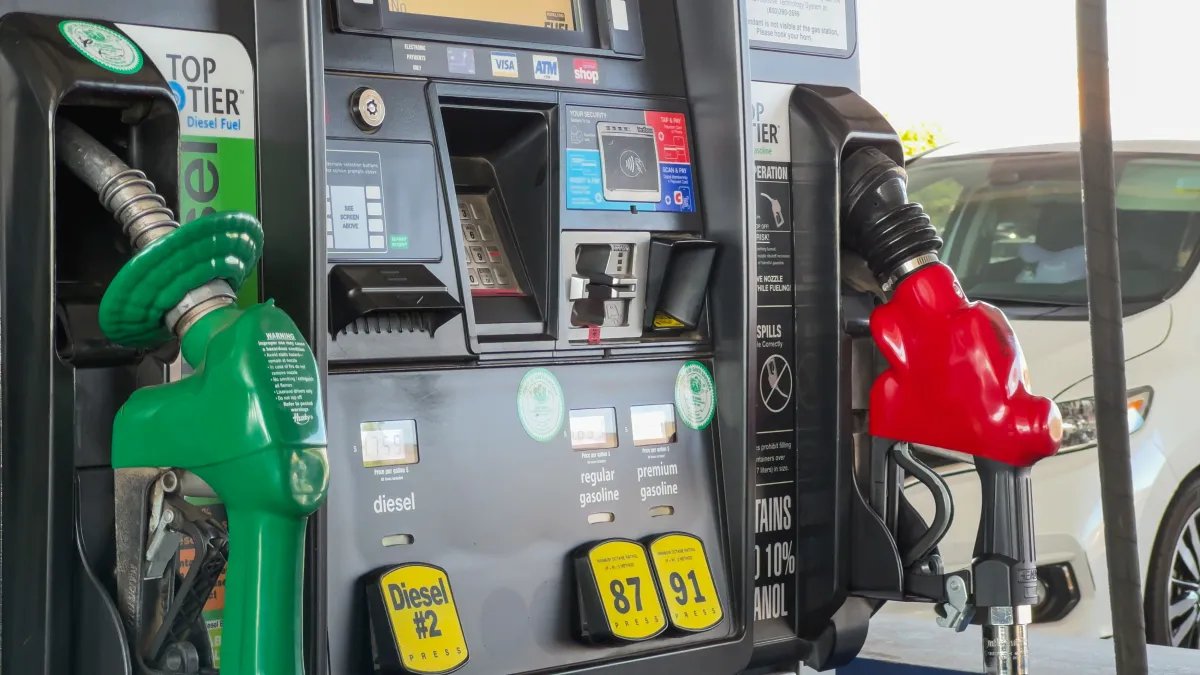
Because oil prices have increased to more than $100 a barrel as a result of the war, fuel prices surged by more than 20 percent in one month. If this heightens overall inflation numbers, seniors could be in for a boost to their monthly payments.
Why It Matters
The potential change would not affect current benefit checks, but it could alter expectations for future increases at a time when millions of retirees are already feeling the strain of higher prices for fuel, food and household utilities.
Across the country, more than 70 million Americans rely on Social Security checks, with many using them for the bulk of their monthly spending.
What To Know
The Social Security COLA is calculated annually using inflation data from the Consumer Price Index for Urban Wage Earners and Clerical Workers, known as the CPI‑W. Energy costs play a meaningful role in that formula, accounting for about 6.2 percent of the index, split between transportation fuel and household energy costs.
Oil prices have surged to more than $100 per barrel amid the war, driving gasoline prices up by more than 20 percent this month, according to the Motley Fool. And while the increases are bad news at the pump for consumers, they could translate into higher inflation readings if the elevated prices persist.
Because the COLA is designed to help benefits keep pace with inflation, higher energy costs can ultimately lead to a larger annual adjustment.
Before the recent spike in oil prices, early estimates from The Senior Citizens League projected a 2.8 percent COLA for 2027, the same increase beneficiaries received in 2026.
However, the projections were made before the latest disruption to global oil markets. If energy prices remain elevated, the 2027 COLA could rise to 3.5 percent or higher, depending on how inflation trends develop over the coming months.
The impact of higher oil prices is not limited to fuel and utility bills. Rising transportation costs can also drive up prices for groceries and other consumer goods, as retailers pass higher shipping expenses on to shoppers. Those secondary effects can further influence inflation readings, increasing the likelihood of a larger COLA if price pressures spread across the economy, experts say.
“If the 2027 Social Security COLA rises to 3.5 percent or higher, beneficiaries will undoubtedly be thrilled at additional dollars added to their monthly benefits, but that boost could be quickly wilted away by higher costs on many items if gas prices stay elevated,” Alex Beene, a financial literacy instructor for the University of Tennessee at Martin, told Newsweek.
But Michael Ryan, a finance expert and the founder of MichaelRyanMoney.com, warned that a larger 2027 Social Security COLA would not be a victory lap.
“It would be more like an insurance check after the house already caught fire,” Ryan told Newsweek. “Beneficiaries feel higher gas and grocery bills immediately. Social Security doesn’t catch up until January 2027. By then, retirees have already absorbed months of energy-driven inflation. And when the COLA does arrive in January, even a 2.8 percent bump translates to only about $50-$60 more per month for the average recipient.”
What People Are Saying
Kevin Thompson, the CEO of 9i Capital Group and the host of the 9innings podcast, told Newsweek: “The impact this war may have on COLA should be relatively muted. The largest component of CPI [owners’ equivalent rent and housing] has begun to soften, and that carries far more weight than the recent spike in fuel and energy prices, which only make up roughly 6 percent of the index. Rates have come down, and with no immediate expectation for further hikes, housing pressures should remain contained. That alone keeps a lid on any meaningful surge in COLA.”
Alex Beene, a financial literacy instructor for the University of Tennessee at Martin, told Newsweek: “While cost-of-living adjustments to Social Security payments have dipped below 3 percent over the last year, that decline can actually be viewed as a positive sign that inflation was more moderate than in the years immediately following the pandemic. However, with military conflict now pushing oil prices higher, there’s concern inflation will return to higher levels, as well.”
Michael Ryan, a finance expert and the founder of MichaelRyanMoney.com, told Newsweek: “A higher COLA doesn’t make retirees richer. It usually means their essentials got more expensive fast enough that Social Security had to play catch-up, and it often does so imperfectly because seniors’ biggest expenses don’t always move in lockstep with the inflation formula.”
What Happens Next
Despite the recent jump in prices, it is still too early to know how much of an impact the war will ultimately have on Social Security benefits.
The Social Security Administration bases the COLA on inflation data from the third quarter of the year (July, August and September) compared with the same period a year earlier. As a result, current gas prices will not affect the 2027 adjustment unless elevated costs persist into the summer months.
The official 2027 COLA will be announced in mid‑October, after the third‑quarter inflation data is finalized.
In a polarized era, the center is dismissed as bland. At Newsweek, ours is different: The Courageous Center—it’s not “both sides,” it’s sharp, challenging and alive with ideas. We follow facts, not factions. If that sounds like the kind of journalism you want to see thrive, we need you.
When you become a Newsweek Member, you support a mission to keep the center strong and vibrant. Members enjoy: Ad-free browsing, exclusive content and editor conversations. Help keep the center courageous. Join today.
