


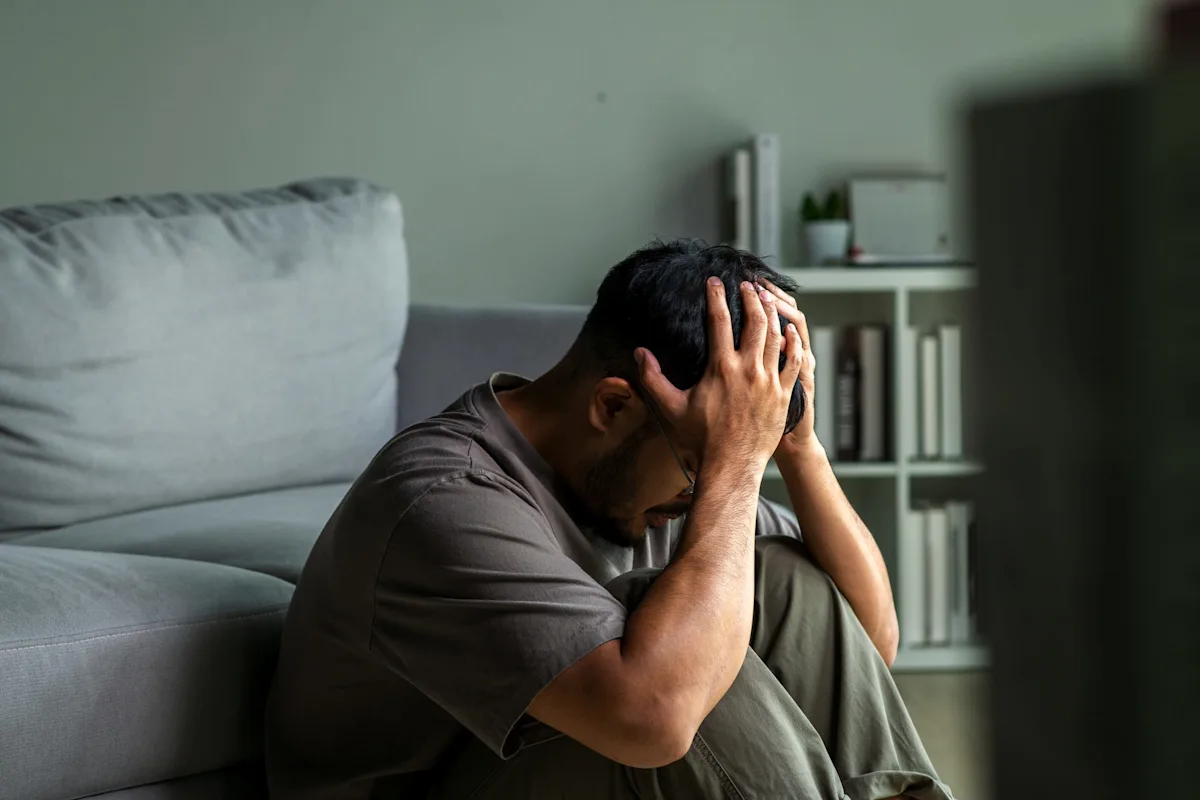
For many people, depression does not feel like dramatic despair. It feels like heaviness; like waking up already exhausted by a day that hasn’t yet begun.
“And depression doesn’t just affect mood, it affects functioning,” says Jimmy Noorlander, LCSW, a clinical social worker at Deseret Counseling in Utah. “Getting out of bed can feel overwhelming. Tasks that once felt simple require tremendous effort. Work performance may decline. Relationships often suffer as people withdraw or feel emotionally numb. Energy drops, motivation fades and sleep can become irregular.”
Depression also isn’t rare. According to the Centers for Disease Control and Prevention’s National Center for Health Statistics, some 13.1% of adolescents and adults age 12 and older experience it.
Understanding what this condition is – and what it is not – is often the first step toward finding relief. Here’s what depression involves, what causes it and what treatments are most effective.
What is depression?
While feeling sad after a disappointment or a loss is a normal part of being human, clinical depression, formally known as major depressive disorder, is a medical condition. “It is diagnosed when the negative symptoms experienced last at least two weeks and cause significant impairment in functioning,” says Juanita Guerra, PhD, a clinical psychologist in New Rochelle, New York.
Clinicians diagnosing depression “look for patterns such as persistent low mood, loss of interest in activities once enjoyed, fatigue, difficulty concentrating, sleep disruption, appetite changes or feelings of guilt or worthlessness,” adds Noorlander.
Other symptoms may include reduced interest in a once exciting relationship, difficulty concentrating or impaired work functioning. “In extreme cases, depression can lead to thoughts of death or suicide,” says Guerra.
Depression can also show up physically, with headaches, digestive issues or chronic pain without a clear medical cause. “If you’re struggling with clinical depression, your energy resources are likely to feel depleted and you may lack the internal resources to meet even the most basic demands of daily living,” says Guerra.
We’ve all experienced bloating before. Here’s how to get rid of it.
What causes depression?
Depression does not stem from a single cause but instead develops from a complex interaction of biological, genetic, psychological and environmental factors. And symptoms vary “depending on how many factors are involved,” says Guerra.
Research suggests changes in brain chemistry involving neurotransmitters such as serotonin, dopamine and norepinephrine can cause depressive symptoms, says Noorlander.
Genetics can play a meaningful role as well. “If there is a family history of depression, you are genetically at a higher risk for experiencing at least one episode of clinical depression in your lifetime,” says Guerra. At the same time, no single gene determines whether someone will develop the condition. Rather, multiple genes likely interact with life experiences to influence risk.
Psychological factors such as trauma, negative thinking patterns, perfectionism or low self-worth can further increase vulnerability, says Noorlander. Environmental stressors such as financial strain, relationship conflict, caregiving burdens, social isolation or the loss of a loved one can also trigger or worsen symptoms. “Poor sleep and alcohol or substance use can contribute as well,” adds Guerra.
And sometimes what appears to be depression has a different underlying medical driver. “For example, men with low testosterone can experience fatigue, low motivation, irritability, anxiety and depressed mood,” says Noorlander. Similarly, women going through perimenopause or menopause may experience hormonal shifts that disrupt mood and sleep. “Thyroid dysfunction and vitamin deficiencies in B12 or vitamin D can also closely mimic depression,” he adds. “That’s why a comprehensive medical evaluation is always important.”
How to safely increase testosterone: Everything to know
How to deal with depression
No matter the cause, the good news is that once depression is diagnosed, it is highly treatable. Evidence-based treatments typically include psychotherapy, medication or a combination of both.
Common medications prescribed for depression include selective serotonin reuptake inhibitors (SSRIs). Some of these include fluoxetine (Prozac), sertraline (Zoloft) and escitalopram (Lexapro). These medications work by increasing the availability of serotonin in the brain “and can help regulate brain chemistry,” says Noorlander.
Other medication classes, such as serotonin-norepinephrine reuptake inhibitors (SNRIs), atypical antidepressants or tricyclic antidepressants, may also be used depending on individual needs.
When it comes to psychotherapies, Noorlander says that cognitive behavioral therapy (CBT) helps patients identify and shift negative thought patterns that contribute to depression while trauma-focused therapies can address deeper emotional roots.
Lifestyle strategies can also meaningfully support recovery. Regular physical activity has consistently been shown to improve mood. “Even 20 to 30 minutes of walking can help,” says Noorlander. Maintaining a consistent sleep schedule, eating balanced meals and limiting alcohol intake can also help stabilize energy and emotional regulation.
Social connection is another powerful protective factor, Noorlander says. Mindfulness and stress-reduction practices may also help reduce rumination and anxiety. “Treatment often works best when it combines therapy, medication when necessary and lifestyle support,” says Noorlander.
For those who do not respond to first-line treatments, additional options may be considered under medical supervision.
“Depression is common and treatable, and recovery is possible,” Noorlander adds.
If you or someone you know may be struggling with suicidal thoughts, you can call 988 any time day or night, or chat online. Crisis Text Line also provides free, 24/7, confidential support via text message to people in crisis when they dial 741741.
This article originally appeared on USA TODAY: How to deal with depression –What therapists say
