


Have you ever felt like you don’t deserve what you have? That you’re not quite worthy of your success?
Imposter syndrome is a common phenomenon that affects many people in different walks of life.
It is characterized by feelings of inadequacy and self-doubt, despite having achieved success. This can lead to anxiety, depression, and a general feeling of being a “fraud”.
Imposter syndrome is particularly common among high achievers or those who have been successful in their field but still feel like they don’t belong or are not good enough. Despite the success they’ve achieved, they may think that it was due to luck rather than merit.
I admit that I’ve felt this way plenty of times in my career as a writer.
While it may seem like an insurmountable challenge, there are various strategies that can help overcome imposter syndrome and build confidence in yourself.
In this article, we will discuss the causes of imposter syndrome and provide tips on how to address it. We will also look at ways to cope with feelings of fraudulence that come up during times of stress or adversity.
By understanding why these thoughts arise, you can take steps to move past them and live with greater confidence!
Causes of Imposter Syndrome
The causes of imposter syndrome can vary from person to person.
Common contributing factors include:
- negative self-talk
- perfectionism
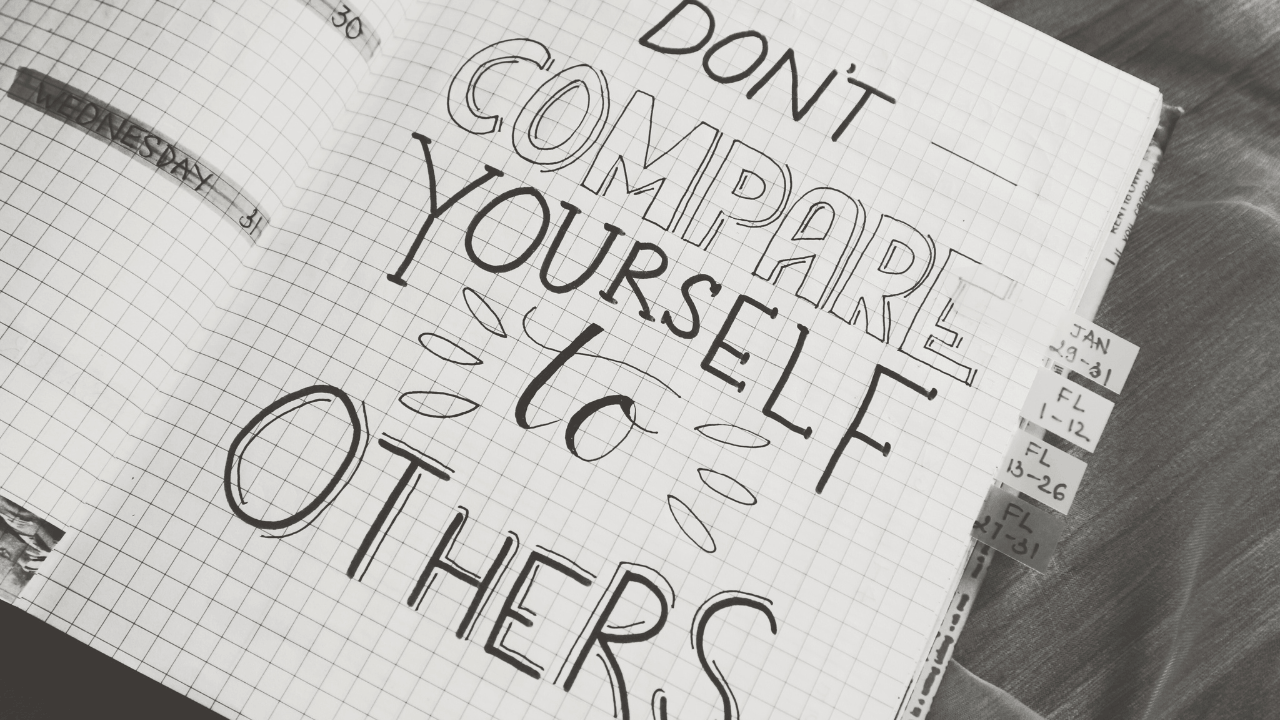
- comparing yourself to others
Other triggers can include pressure from external sources such as peers or parents and feelings of inadequacy or insecurity within yourself.
It is important to recognize these feelings and take steps to address them in order to overcome imposter syndrome and build self-confidence.
3 Strategies for Overcoming Imposter Syndrome
1. Acknowledging and Reframing Unhelpful Thoughts.
The first step in managing imposter syndrome is recognizing the source of these negative beliefs.
This involves identifying unhelpful thoughts and reframing them in a more positive light.
For example, instead of saying, “I am not good enough”, you can say, “I have worked hard to get where I am and I can continue to grow from here”. This type of self-talk can help to challenge irrational beliefs and doubt that arise from imposter syndrome.
2. Setting Realistic Goals & Celebrating Accomplishments.
It’s also important to set realistic goals and recognize progress.
This can help to boost confidence and remind yourself of the hard work already put in. Instead of striving for perfection, focus on making incremental progress towards a goal. Additionally, celebrate small successes along the way.
Whether it’s reaching a milestone or completing a task, recognizing these moments of achievement will help to build self-confidence.
3. Practicing Self-Compassion and Mindfulness.
Lastly, practicing self-compassion and mindfulness can be beneficial in fostering self-acceptance.
Taking time to acknowledge your own feelings without judgment or criticism can be very empowering.
Focusing on these can help to create a sense of calmness:
- breathwork
- relaxation exercises
- positive affirmations
Mindfulness activities such as journaling or meditation can also be beneficial in reducing stress levels and helping to manage imposter syndrome.
Coping with Feelings of Fraudulence During Adversity
When facing difficult times or adversity, remember that everyone experiences moments of doubt or insecurity. It is quite natural to feel overwhelmed and uncertain at times.
One way to cope with these feelings is by looking for evidence to challenge any irrational beliefs.
This involves reflecting on successes achieved in the past or acknowledging skills and talents you possess that can be used during challenging situations.
Doing this can help to build self-confidence and reduce feelings of fraudulence.
It can also be helpful to reach out for support from others when you’re struggling with imposter syndrome.
Connecting with these resources can be beneficial in gaining perspective and understanding that these feelings are normal.
- a mentor
- counselor
- friend
- family member
- talking about how you feel
Finally, practice self-care during these moments of crisis. Taking breaks from work or other activities, engaging in leisure activities, and getting enough restful sleep can help to reduce stress levels and aid with feeling more balanced emotionally.
Building Self-Confidence Through Positive Reflection
Developing self-confidence is essential for overcoming feelings of imposter syndrome. One way to do this is through positive reflection, focusing on the strengths and skills you have, rather than fixating on any perceived weaknesses or flaws.
It is also important to recognize accomplishments made in the past and identify areas where progress has been made. Acknowledging successes, even seemingly minor ones, can help to boost self-esteem and reduce feelings of fraudulence.
It can also be helpful to write down positive affirmations or mantras that express your worth and potential on a regular basis. Doing this can provide reassurance in moments of doubt or uncertainty.
Embracing Vulnerability as a Strength
Though imposter syndrome can be difficult to manage, it is important to remember that feelings of vulnerability are not a sign of weakness.
In fact, being able to openly express emotion and be vulnerable can actually make someone stronger in the face of adversity.
It is okay to make mistakes or get things wrong—everyone does at some point—and learning from these experiences is part of growth and development. Instead of attempting to mask or ignore your emotions, it is important to embrace them as a source of strength.
Working through imposter syndrome requires self-compassion and an openness to acknowledging your vulnerabilities; this may lead to greater confidence in yourself and improved mental health.
Wrapping It Up
Overall, imposter syndrome is a unique challenge that requires individualized strategies for managing it.
By recognizing the signs, creating an action plan for addressing these issues, and seeking professional help if you need it, you can learn how to manage your feelings of fraudulence and gain greater confidence in yourself.
Editor’s note: This article was originally published Mar 22, 2023 and has been updated to improve reader experience.
