


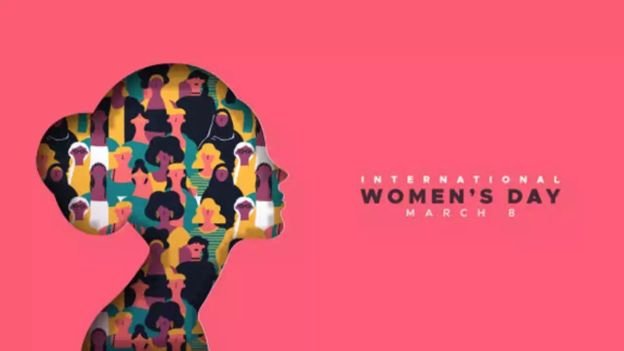
A woman’s mental well-being grows strongest where there is respect for her identity, freedom, and voice
Farhat Ali
International Women’s Day is celebrated on March 8 to recognise the achievements, rights, and contributions of women in society and to promote gender equality. While discussions often focus on education, leadership, and economic empowerment, an equally important aspect deserves greater attention—women’s mental health. In this context, Psychiatry plays a vital role in understanding and addressing the psychological challenges women face in modern society.
Mental health issues among women have become an increasingly significant concern globally. According to various health studies and reports by organizations such as the World Health Organization (WHO), women are more likely than men to experience mental health conditions such as Depression, Anxiety Disorders, and Postpartum Depression. These conditions often arise due to a combination of biological, social, and psychological factors. Hormonal changes during pregnancy and childbirth, along with social pressures and responsibilities, can significantly affect women’s emotional well-being.
Beyond biological factors, societal expectations and gender inequalities also contribute to psychological stress among women. Many women face challenges such as workplace discrimination, domestic responsibilities, gender-based violence, and limited access to healthcare resources. Such experiences can lead to long-term mental health consequences, including Post-Traumatic Stress Disorder and chronic anxiety.
Psychiatry helps researchers and healthcare professionals understand these complexities and develop effective interventions and treatments. The importance of mental health awareness is gradually gaining recognition. Psychiatrists, psychologists, and mental health professionals are increasingly advocating for early diagnosis, counselling services, and community-based mental health programs specifically designed for women. Educational campaigns, support groups, and accessible mental health services can play a crucial role in reducing stigma and encouraging women to seek help when needed.
On International Women’s Day, the conversation about empowerment must also include emotional and psychological well-being. True empowerment cannot be achieved without addressing mental health challenges and ensuring that women have access to supportive and inclusive healthcare systems.
One very important thing that maintains the mental well-being of a woman is self-respect and autonomy. When a woman feels that her voice is heard, her choices are respected, and her identity is valued, it greatly strengthens her mental health. Self-respect allows her to set boundaries, make decisions about her life, and pursue her goals without constant fear of judgment or control. This sense of dignity and independence helps reduce stress, improve self-confidence, and promote emotional stability.
On occasions like International Women’s Day, the global message is not only about celebrating women but also about ensuring that women are empowered, respected, and supported in society. When women receive respect, equality, and emotional support from family, community, and workplace, their mental well-being flourishes, enabling them to contribute positively to their families and society.
In simple words A woman’s mental well-being grows strongest where there is respect for her identity, freedom, and voice.
As societies progress, it becomes essential to prioritise mental health as a fundamental component of women’s overall well-being. Recognising the role of Psychiatry in promoting awareness and providing treatment can help build healthier communities where women are not only celebrated for their achievements but are also supported in their journey toward mental and emotional resilience.
The writer is a health educator
fa***********@***il.com
