


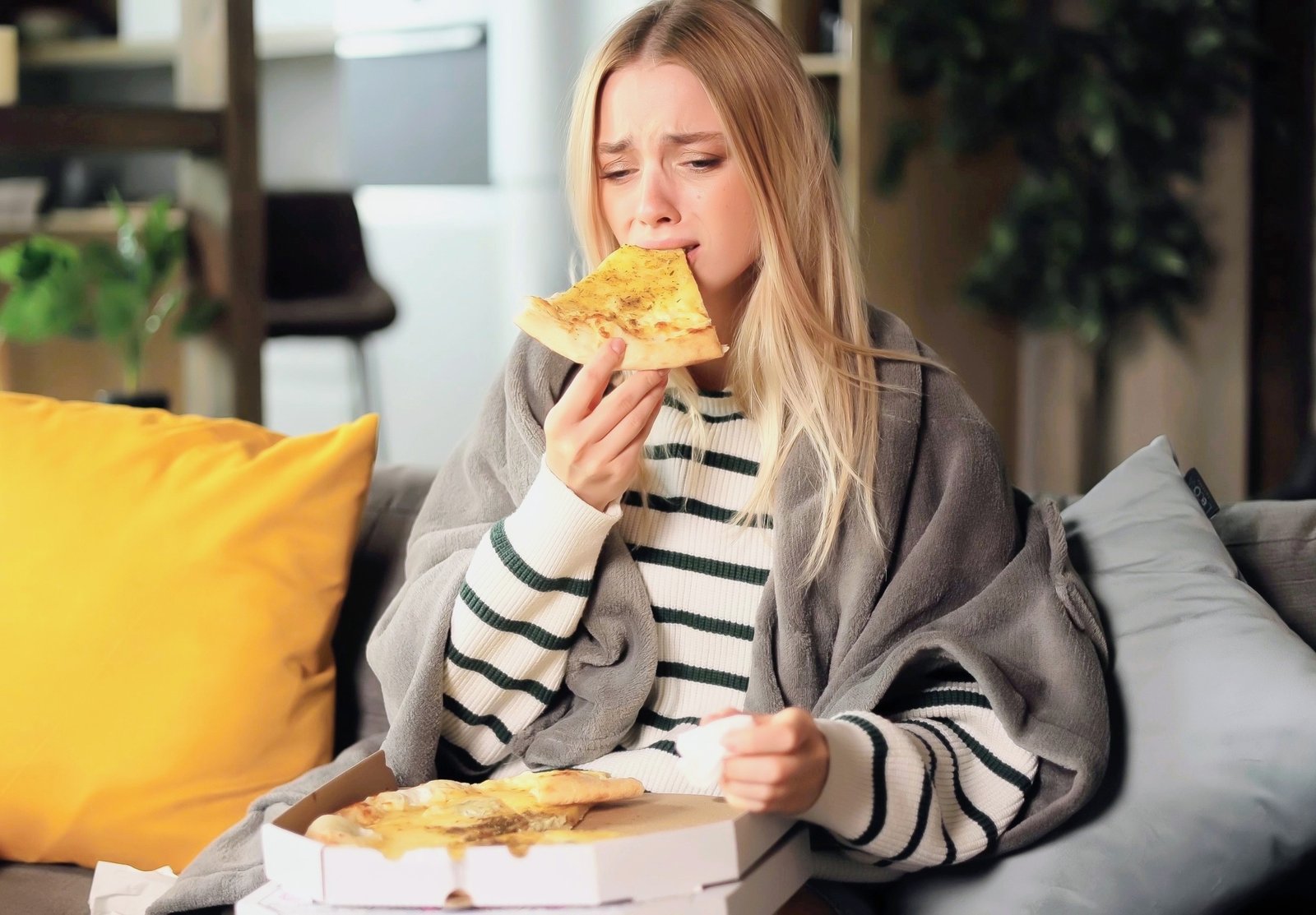
Why does a healthy diet sometimes feel easy in the morning but suddenly fall apart later in the day? Many people start the day with strong motivation. A person may plan healthy meals, avoid junk food, and promise to stay disciplined.
Plans do not always go as expected. Stress, frustration, or even happiness can change food choices. Hunger is not always the reason for eating, because emotions often influence snack choices without people noticing.
A new study from Flinders University shows that feelings right before eating can strongly influence the type of snack a person chooses.
Temptations weaken diets
Eating healthy can feel difficult because tempting foods appear almost everywhere. Supermarkets place sweets near checkout counters, cafés offer pastries with coffee, and packaged snacks remain easy to grab during busy days.
Because these foods stay constantly available, healthy eating requires effort and careful choices. Many people try to solve this by starting a diet that reduces calories, avoids certain foods, or controls portion sizes.
At first, following a diet may feel simple and structured. Over time, stress and emotional moments can slowly weaken that structure. Researchers wanted to understand why this happens.
Tracking snack choices
The researchers did not want to study eating habits only in laboratories. The team wanted to see how people choose food during normal daily life, where moods change and busy schedules create unexpected situations.
To do this, the researchers asked 155 women to track snack habits for one week. Each participant kept an online diary and recorded every snack eaten during the day. Participants also wrote down the emotion felt right before eating.
This method helped researchers connect emotions with food choices. During the week, participants recorded more than one thousand snacks.
Fruit appeared often, but chocolate, pastries, and potato chips also appeared many times. When researchers studied these records carefully, a clear pattern started to appear.
Negative emotions and snack choices
For people trying to diet, negative emotions played a strong role in snack decisions. Feelings such as stress, sadness, frustration, or disappointment often appeared just before unhealthy snacks.
“Our findings show that your immediate emotional state is a much stronger driver of snacking than your overall personality or your usual mood patterns,” said study lead author Dr. Isaac Williams.
“It’s those in-the-moment feelings that tend to push people off track.”
When stressful or upsetting emotions appeared, many dieting participants chose snacks like chocolate bars, pastries, or chips instead of healthier options.
Stress shifts snack choices
One detail from the results stood out clearly. Negative emotions did not necessarily cause people to eat more food overall. Instead, emotions changed the type of snack selected.
“For people who are trying to diet, negative emotions seem to act as a trigger for breaking their healthy eating intentions,” said Dr. Williams.
“It’s not that they eat more food overall, but that they choose foods that are higher in calories and lower in nutritional value.”
In daily life, this pattern can appear very quickly. A person may plan to eat fruit during a break. After a stressful conversation or a demanding task, attention may suddenly shift toward comfort foods like chocolate or chips.
Happiness also encourages snacking
Emotional eating is often connected with sadness or stress, yet the study revealed another interesting pattern. Positive emotions can also encourage extra snacking.
Participants who were not dieting often ate more snacks while feeling happy, energetic, or excited. A cheerful mood can create a relaxed attitude toward food. Snacks start to feel like rewards instead of unhealthy treats.
“We often think of comfort eating as something people do when they’re sad, but for many people, being in a good mood can be just as much of a temptation to indulge,” said Dr. Williams.
A celebration, good news, or an enjoyable moment during the day can therefore lead to additional snacking even when hunger is not the real reason.
Managing emotions for healthy eating
The research team also explored how people manage emotions during everyday life. Some individuals try to hide feelings or ignore them, while others attempt to change thoughts about emotional situations.
Surprisingly, these strategies did not strongly protect participants from emotional eating. Instead, one factor appeared much more important. Emotional awareness made a clear difference.
Emotional awareness means recognizing feelings clearly while they are happening. When someone notices stress or frustration early, that awareness creates a brief pause before choosing food.
“Emotional awareness seems to be the real key,” said Dr. Williams.
During that short pause, a person may reconsider the decision and choose something healthier.
Pause before snacking
The findings from Flinders University suggest that understanding emotional changes during the day can improve food decisions. Dr. Williams encourages people to slow down for a moment before reaching for a snack.
Taking a brief pause and asking what emotion is present can reveal whether hunger or stress is guiding the choice.
“We’re not as rational about food as we like to think,” Dr. Williams says.
“Understanding your emotions in real time can help break the cycle of turning to unhealthy snacks when you feel stressed, tired or overwhelmed.”
The study is published in the journal Food Quality and Preference.
—–
Like what you read? Subscribe to our newsletter for engaging articles, exclusive content, and the latest updates.
Check us out on EarthSnap, a free app brought to you by Eric Ralls and Earth.com.
—–
