


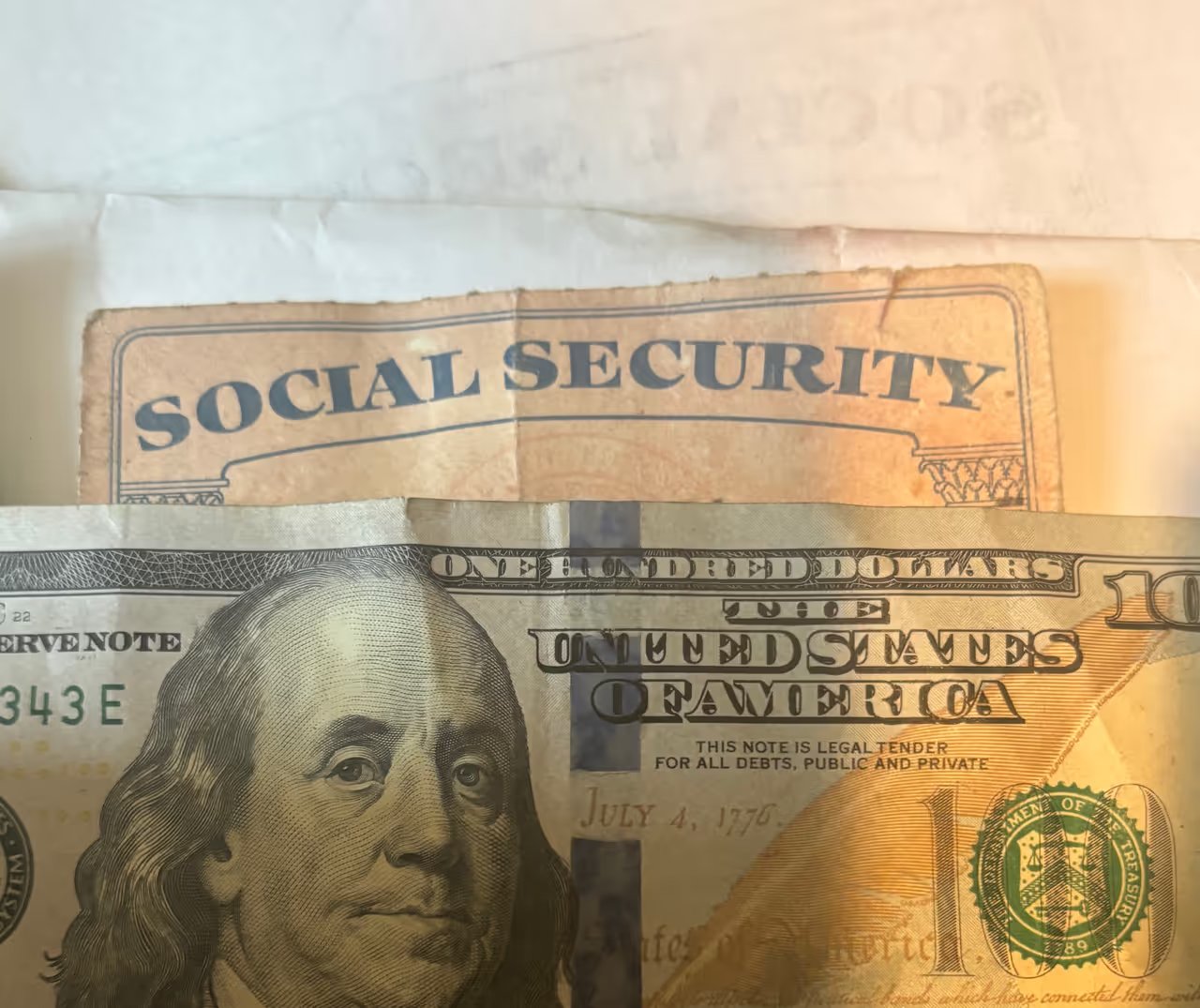
The updated projections indicate that the Old-Age and Survivors Insurance (OASI) trust fund, which funds retirement benefits, is now projected to be exhausted in fiscal year 2032.
This marks a one-year acceleration from the CBO’s previous forecast and raises concerns about the financial future of millions of retirees. Once the fund is depleted, the Social Security Administration will be able to pay benefits only from incoming payroll tax revenue, resulting in an immediate seven-percent reduction in payments starting that year.
The accelerated timeline is attributed to a combination of factors, including an aging population, longer life expectancies, persistent inflation, and rising program costs.
If no legislative action is taken, the CBO warns that benefit cuts will deepen significantly in the years following 2032. By 2033, retirees could face an average 28 percent reduction in benefits, as the gap between revenue and scheduled payments widens.
The Disability Insurance (DI) trust fund, which supports Americans with disabilities, is in a stronger financial position and is projected to remain solvent through at least 2036. However, if Congress were to combine the OASI and DI funds, the exhaustion date for the combined program would shift to 2033.
The CBO’s report underscores the urgency of addressing the looming shortfall.
Potential solutions include raising the payroll tax rate, increasing the full retirement age, reducing benefits for high-income earners, or financing the shortfall with additional federal debt.
Congress has historically waited until the last minute to address Social Security funding crises, as seen in the early 1980s.
The impact of these cuts would be most severe for low-income retirees, who often rely on Social Security for 90 percent or more of their income. A 28 percent reduction could push many into poverty.
Middle-income households, which typically depend on Social Security for about half of their retirement income, would also face significant financial strain. High-income retirees, while less affected, would still lose thousands of dollars annually in scheduled benefits.
The full report, titled “The Budget and Economic Outlook: 2026 to 2036,” is available on the Congressional Budget Office’s website.
Click here
to follow Daily Voice
Marlboro-Morganville
and receive free news updates.
