


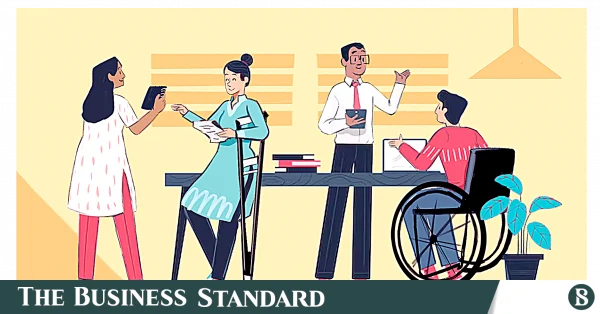
Diversity and inclusion are now common topics of conversation at work. Yet for many employees with disabilities, inclusion often depends on personal kindness instead of company systems and is not always reliable or organised.
A Deloitte Global report found that while 88% of employees with disabilities have disclosed their condition to at least one person or through official company channels, many still choose not to share this information with everyone. This is where Employee Resource Groups (ERGs) can play an important role. ERGs can foster a more inclusive workplace by supporting disability inclusion and helping bridge gaps in openness and understanding.
When carefully planned and supported by leaders, ERGs can integrate disability inclusion into everyday work instead of just words in a policy. Including ERGs in company strategies can also improve business outcomes by encouraging idea generation, boosting customer retention, and engaging employees.
Keep updated, follow The Business Standard’s Google news channel
What are Employee Resource Groups?
Employee Resource Groups are voluntary groups led by employees who share similar backgrounds, experiences, passions or interests. These groups may focus on gender, ethnicity, mental health or disability.
While ERGs often start as support systems, the best ones grow to help shape company culture, policies, and decisions. At their best, ERGs connect employees and leaders, turning real-life experiences into actionable items for the company.
Why disability-focused ERGs matter
Not every disability in the workplace is visible. Many employees have hidden disabilities like long-term illness, different ways of thinking, hearing loss, or mental health issues. Many do not feel safe sharing this because they worry about being judged or treated unfairly. Because of this, companies often do not realise how common disability is or how many challenges employees face.
A disability-focused ERG helps change this dynamic in three important ways.
First, it helps people feel safe to speak up. When employees see others talk openly about disability, support, and challenges, these conversations become normal and help people feel less isolated, especially in organisations where silence was the norm. Open discussions help co-workers with disabilities, foster team learning and inspire people to help each other. When team members feel safe to share, they help create a more empathetic and caring workplace, encouraging shared responsibility.
Second, it brings hidden problems to light, such as inaccessible office layout, strict work hours, digital tools that not everyone can use, and unfair ways of judging work, which leaders often miss. ERGs provide organised feedback based on real experiences rather than assumptions.
Third, ERGs help people see disability as a strength, not just something to feel sorry for or follow rules about. They show that making things more accessible helps everyone work better, generate new ideas, and become more engaged.
Can ERGs really influence change?
Yes, when they are empowered to do more than organise awareness events. Several global organisations demonstrate how disability ERGs can drive tangible impacts.
At Microsoft, for example, insights from the Disability ERG have influenced inclusive product design and internal accessibility practices. Employees’ lived experiences have shaped features that benefit millions of users worldwide.
IBM integrates disability inclusion through its Accessibility Centre of Excellence, supported by employee advocates. The organisation embeds accessibility into recruitment, technology procurement, and leadership development, ensuring inclusion is systemic rather than ad hoc.
At EY, the “AccessAbilities” network works closely with senior leadership to influence policies on flexible work, reasonable accommodations, and inclusive leadership behaviours. The group also supports manager training, reducing uncertainty around supporting employees with disabilities.
These examples share a common trait that disability ERGs should be treated as partners, not side projects.
The risk of symbolic ERGs
Not all ERGs operate effectively. In some companies, ERGs are expected to promote inclusion without sufficient resources or decision-making power. Disability ERGs might feel exhausted from constantly educating others, yet unable to implement real change.
Pretending to care is another risk. Posters or special-day observations do not really remove major barriers. If ERGs are not included in company policies, building plans, technology, and leader responsibilities, their impact remains insignificant.
What makes disability ERGs effective?
To make disability ERGs work well, leaders must support them. Top leaders need to listen, back up their suggestions, and remove obstacles. Support from leaders should be clear and last long.
Clear roles and access are just as important. Disability ERGs should have established processes for reviewing company rules, workplace setup, hiring, and decisions regarding the accessibility of digital tools.
It is also important to see how disability connects with things like gender, age, and background. Working together across different ERGs makes a bigger difference and helps avoid narrow thinking.
Finally, results should be tracked. Quicker support for needs, more people choosing to share their disability, fewer people leaving, and higher involvement scores are clear signs of progress.
Why this matters now
Disability inclusion is no longer just a compliance issue. As workforces get older, more people talk about mental health, and technology changes quickly, disability affects almost every company.
ERGs offer human-centred solutions. They help companies listen before making plans, learn before making policies, and include people before trying new things.
ERGs cannot replace leadership responsibility. But they can amplify unheard voices, convert lived experiences into organisational insights, and remind employers that inclusion is not a favour. They are symbols of good management and resilient workplaces.
