


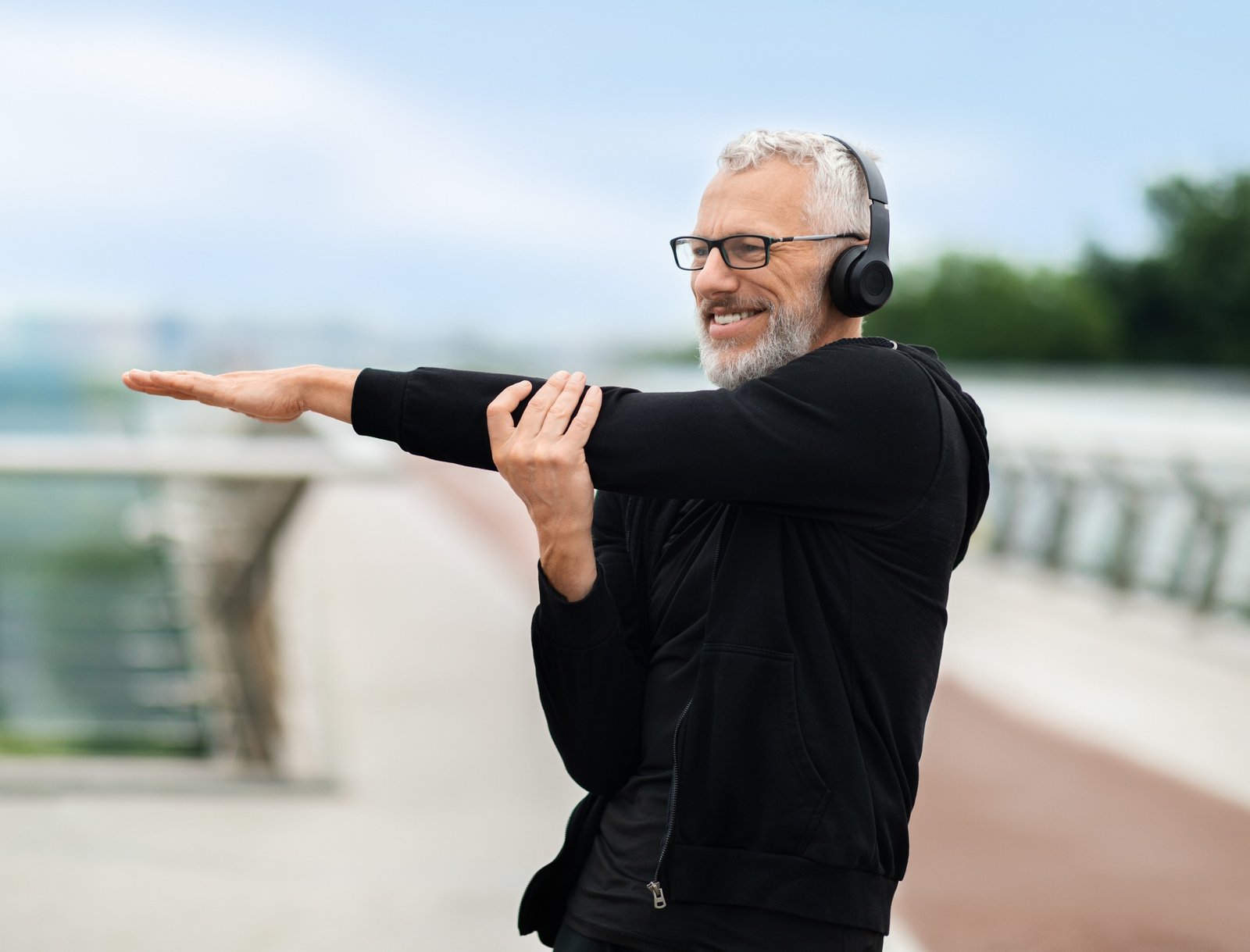
Aging often changes daily life. Muscles weaken, movement slows, and social circles shrink.
Many older adults spend long hours alone at home. Less movement and fewer social contacts can quietly damage physical health, mental well being, and overall happiness.
Scientists have known for years that exercise supports healthy aging. Social connection also plays a major role. What remained unclear was how social life and physical activity work together.
A study from Texas A M University School of Public Health helps explain this connection. The research shows that movement and social life form a close partnership.
Strong relationships encourage physical activity, and physical activity creates chances for social connection. Programs that treat both factors together can better support healthy aging.
Why older adults move less
Many adults over age sixty five fail to meet physical activity guidelines. Limited energy, fear of injury, lack of motivation, and reduced social contact all contribute.
Health behavior theory explains physical activity as a result of many layers of influence.
Personal beliefs and social surroundings matter. Neighborhood design, family habits, and community culture all shape daily movement.
Social ecological theory helps explain the results of the analysis. Human behavior does not form in isolation. Social networks, shared expectations, and daily interaction guide choices – including exercise habits.
Social networks and support
A social network includes friends, family members, neighbors, and community groups.
Research reviewed by Park and colleagues shows that wider networks often link with higher activity levels. Older adults with more regular contact often walk more and sit less.
Social support adds another layer. Encouragement, shared activities, and simple help increase confidence and motivation.
Invitations from family to go for walks or friends who encourage group classes can boost activity levels. Social support also helps people stick with exercise over time.
“Our study is different because we did a comprehensive review of many social factors social networks, social support, social interaction, loneliness and social environment to find out how they associate with physical activity specifically for this group,” said Jeong-Hui Park, lead author of the research.
Social interaction and influence
Movement often leads to conversation. Walking groups, fitness classes, and community programs encourage interaction.
Research consistently links higher activity with more frequent social contact. Interaction reduces isolation and supports mental health.
Social influence also shapes behavior. Observing peers staying active sends a powerful message. Shared habits often feel normal and achievable.
One study in the review showed that social influence played a strong role in physical activity decisions, especially among older men.
Loneliness and isolation
Loneliness reflects emotional pain from lack of connection. Social isolation describes limited contact with others. Both factors often reduce physical activity.
The analysis shows that active programs reduce loneliness, especially group-based or coached activities.
Physical activity may reduce loneliness through several pathways. Movement distracts from negative thoughts, builds confidence, and restores a sense of control. Shared exercise also builds trust and familiarity.
Social participation and community life
Participation in clubs, volunteer work, and group events strongly connects with physical activity.
Studies show that active participation supports cognitive health and emotional well being. Social participation encourages regular movement while giving daily life purpose and structure.
Some neighborhood factors show mixed results. Social cohesion, or feelings of trust and connection in a neighborhood, supports walking in some settings but not others.
Cultural norms about exercise can also create pressure, which does not always increase activity.
Future directions for healthy aging
The review highlights important steps for future programs. One size fits all approaches often fail. Effective programs match personal interests, physical ability, and social preference.
Walking groups, dance sessions, gardening clubs, and online group exercise can all support movement when paired with social connection.
“In short, our study gives new insights into how these two vital health indicators physical activity and social connectedness are linked at a base level,” said study co-author Tyler Prochnow.
“With more tailored and strategic interventions, we can dramatically improve the physical, social and mental health of so many people throughout the lifespan.”
Healthy aging depends on more than exercise alone. Daily movement supports the body, but social connection supports motivation, mood, and consistency.
When older adults stay socially connected, physical activity feels easier and more enjoyable.
At the same time, regular movement creates opportunities to meet others and stay engaged. Supporting both social life and physical activity together helps older adults live longer, healthier, and more connected lives.
The study is published in the American Journal of Health Promotion.
—–
Like what you read? Subscribe to our newsletter for engaging articles, exclusive content, and the latest updates.
Check us out on EarthSnap, a free app brought to you by Eric Ralls and Earth.com.
—–
