


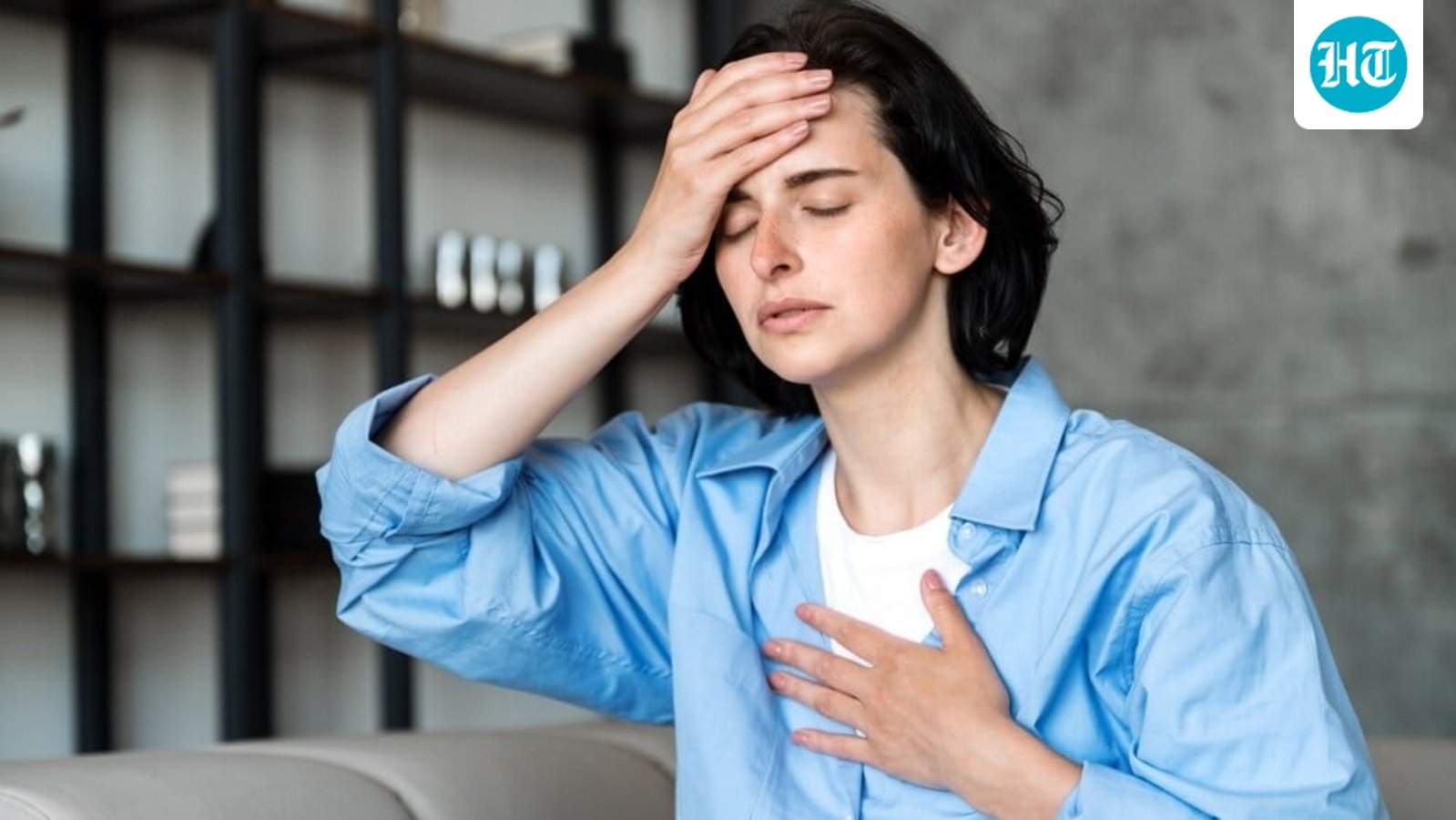
The negative effects of psychosocial stress on heart health are often underestimated. Psychosocial stressors are life situations that cause unusual or intense stress, such as family conflicts, divorce, death of a loved one, prolonged illness or a natural catastrophe. Taking care of your heart health involves avoiding traditional and non traditional risk factors or behaviors that contribute to heart disease, recognising symptoms, and seeking treatment. Also read | Stress and heart attacks: Doctor explains how they are interconnected; shares tips to handle stress
How does stress lead to heart attacks? According to Dr Partho P Sengupta, persistent stress keeps the body in a state of heightened arousal, flooding it with cortisol and adrenaline.(Shutterstock)
Studies have shown that depression and psychosocial stress are associated with heart attacks. High stress levels also have been shown to negatively affect health recovery after a heart attack. It’s important to address both traditional and nontraditional risks for heart disease and recognise that they affect men and women differently.
Stress can also lead to unhealthy mechanisms for coping with stress, such as stress eating or substance abuse, and not exercising, which in turn can lead to heart disease.
Here’s an exclusive interview with Dr Partho P Sengupta, chief of cardiovascular medicine, Robert Wood Johnson Medical School and chief of cardiovascular service line, Robert Wood Johnson University Hospital, Rutgers Health:
Dr Partho P Sengupta explains how stress‑induced heart attacks differ in women, the unique symptoms they may show, and the best ways to manage stress.
How does stress impact our heart health?
In addition to traditional risk factors like high blood pressure and cholesterol, several non-traditional risk factors including chronic stress, depression, anxiety, sleep disorders (like sleep apnea and insomnia), autoimmune diseases (such as rheumatoid arthritis and lupus), environmental exposures (like air pollution and noise), and socioeconomic factors such as poverty and social isolation impact our heart health.
Non-traditional risk factors often interact with and intensify traditional cardiovascular risks, creating a compounding effect on heart health.
How does stress lead to heart attacks?
Chronic stress has a profound and multifaceted impact on cardiovascular health. When a person experiences prolonged stress from work, caregiving, financial difficulties, or trauma, the body remains in a state of heightened arousal, producing excess cortisol and adrenaline. These stress hormones cause blood vessels to constrict, elevate heart rate and blood pressure, and promote inflammation. Over time, this contributes to endothelial dysfunction, a key step in atherosclerosis (thickening or hardening of the arteries caused by plaque buildup in the inner lining of an artery).
Women tend to experience a greater burden from psychosocial stress, depression, anxiety, and autoimmune diseases — all of which are powerful but often overlooked contributors to heart disease. Conditions unique to women, such as preeclampsia, gestational diabetes, and preterm birth, are now recognized as early warning signs of future cardiovascular problems.
Psychosocial stress can be short-term or long-term, and both types have been associated with heart disease.
The cardiologist shared that women and men are equally likely to experience chest pain, pressure or discomfort.(PC: Freepik)
What are the risk factors for heart disease in women?
Women of all ages should take heart disease seriously. Women under 65, and especially those with a family history of heart disease, need to pay close attention to heart disease risk factors. These include:
⦿ Diabetes
⦿ Mental stress and depression
⦿ Smoking
⦿ Inactivity
⦿ Alcohol consumption
⦿ Menopause, due to low levels of estrogen and developing menopause before 40
⦿ Pregnancy complications, such as high blood pressure or diabetes, or even premature delivery
⦿ Inflammatory diseases, such as rheumatoid arthritis or lupus
What are some heart disease symptoms that are different in women from men?
Women and men are equally likely to experience chest pain, pressure or discomfort. But women are more likely to have other associated symptoms, including:
⦿ Neck, jaw, shoulder, upper back or abdominal discomfort
⦿ Shortness of breath
⦿ Pain in one or both arms
⦿ Nausea or vomiting
⦿ Sweating
⦿ Lightheadedness or dizziness
⦿ Unusual fatigue
⦿ Also, women often ignore the symptoms of heart disease
What do you suggest as the best stress management steps?
Managing non-traditional cardiovascular risk factors requires a holistic approach that addresses emotional, behavioral, and environmental health. For stress and mental health, evidence-based interventions like cognitive behavioral therapy (CBT), mindfulness meditation, and regular physical activity are highly effective.
Prioritising quality sleep through consistent sleep schedules, limiting screens before bed, and treating sleep apnea is also essential. Building social connections, whether through community groups, friendships, or therapy, reduces isolation and supports emotional resilience.
For individuals with autoimmune or inflammatory diseases, timely medical treatment and anti-inflammatory diets (such as the Mediterranean diet) help lower cardiovascular risk.
Reducing exposure to environmental pollutants, such as through the use of air purifiers and avoiding high-traffic areas during exercise, is also beneficial. Emotional well-being plays a vital role in heart health. Activities that bring meaning or connection, such as walking with a friend or focusing on purpose in daily life, can lower stress and support healthier behaviors.
Caring for your emotional health isn’t separate from caring for your heart; both are deeply interconnected. Taking medications as directed is another key factor in preventing heart attacks or stroke. If you have been prescribed treatment for high blood pressure, high cholesterol or other risk factors, following your clinician’s guidance and monitoring your numbers ensures those risks stay under control.
Note to readers: This article is for informational purposes only and not a substitute for professional medical advice. Always seek the advice of your doctor with any questions about a medical condition.
