

Close Menu

    Subscribe to Updates

    Get the latest creative news from FooBar about art, design and business.

    What's Hot

    Mid Life, Perimenopause And Menopause

    March 15, 2026

    Recovering from ischaemic stroke at a young age: the call for precision exercise intervention

    March 15, 2026

    Why Smart Business Leaders Are Rethinking Energy Efficiency

    March 15, 2026
    Facebook X (Twitter) Instagram
    Trending
    • Mid Life, Perimenopause And Menopause
    • Recovering from ischaemic stroke at a young age: the call for precision exercise intervention
    • Why Smart Business Leaders Are Rethinking Energy Efficiency
    • PCOS And Emotional Health: Why Hormonal Imbalance Can Trigger Mood Swings | Health and Fitness News
    • Dual-energy X-ray absorptiometry per cent fat Z-score as a predictor of menstrual status in adolescent and young adult female athletes
    • 6 Questions for Workplace Well-Being
    • Debut Novel Honor Thy Mother Sheds Light on the Rising Awareness of Complex PTSD Linked to Childhood Trauma
    • This Is Becoming the Secret Weapon of High Performers
    Moving MountainsMoving Mountains
    Facebook X (Twitter) Instagram
    Sunday, March 15
    • Home
    • Mental Health
    • Life Skills
    • Self-Care
    • Well-Being
    • Awareness
    • Inspiration
    • Workers Comp
    • Social Security
      • Injuries
      • Disability Support
      • Community
    Moving MountainsMoving Mountains
    Home » Music-based sleep aids show the strongest evidence for improving sleep
    Self-Care

    Music-based sleep aids show the strongest evidence for improving sleep

    TECHBy TECHJanuary 13, 2026No Comments4 Mins Read
    Facebook Twitter Pinterest LinkedIn Tumblr Reddit WhatsApp Email
    Brand Logo
    Share
    Facebook Twitter LinkedIn Pinterest WhatsApp Email

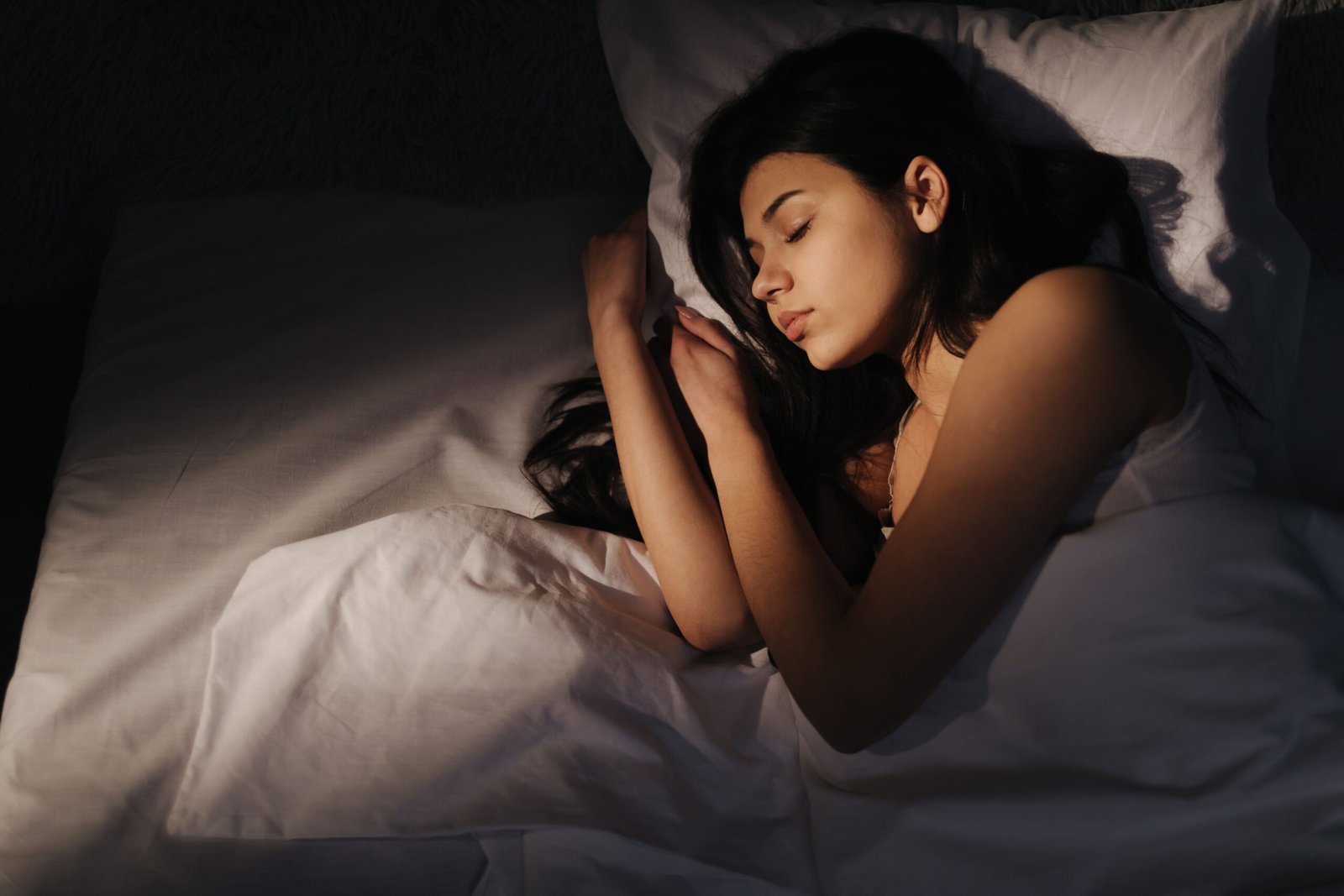
    Listening to digital audio tools that play the sounds of nature, guided meditations, white noise and more at bedtime is very common, but it was recently found that only some types of these sonic sleep aids (SSAs) have solid evidence for improving sleep, while many others remain unproven, according to a perspective published in Sleep in November 2025.

    Sleep disturbances affect many adults, and at the same time, the market for digital sleep tools has increased. SSAs are audio-based tools that include sleep music, white noise, nature sounds, bedtime stories and guided meditations that are designed to be used as people fall asleep or during nighttime awakenings.

    Researchers from the University of Sussex and Unmind, Ltd., in the United Kingdom (U.K.) examined SSA because these tools are widely promoted as easy, low-cost solutions for poor sleep, yet they tend to sit outside traditional sleep hygiene advice that discourages screen use at bedtime. The researchers sought to understand what evidence actually exists behind these products and whether they help, harm or distract people from better-supported methods.

    The researchers looked at results from earlier studies on four main types of SSA: colored noise, music-based tools, narrated content such as stories or podcasts and guided practices including mindfulness, relaxation and self-compassion exercises. They compared the strength and quality of evidence across these categories and carefully monitored study design, outcomes measured and the types of control groups used.

    Researchers also considered how SSAs are delivered in real-world settings, most often through apps and streaming platforms, and how that delivery might shape both use and effectiveness.

    The study revealed that the strongest and most consistent evidence supports music-based sleep aids. Across multiple studies, listening to calming music before bedtime was linked to better sleep quality in a range of settings and populations.

    In comparison, findings for colored noise such as white or pink noise were mixed, with some studies suggesting benefits and others showing little or no effect. Evidence for narrated content remains limited, with very few well-designed studies looking at whether stories or spoken audio actually improve sleep.

    Guided practices such as mindfulness and self-compassion showed positive results, especially for reducing pre-sleep stress and constant thoughts, but the authors noted that more research is needed to determine whether brief bedtime-only use is enough to produce lasting benefits.

    Researchers also highlighted how popular and accessible SSAs have become. For example, millions of people follow sleep playlists on major streaming platforms, and top sleep apps report tens or even hundreds of millions of downloads around the world.

    In the U.K., nearly four in ten adults said they sometimes listen to music, podcasts or the radio to help them fall asleep, while about 15% of adults in the U.S. said they use a sleep app as part of their bedtime routine. Some healthcare organizations even recommend forms of “beditation,” which may increase trust in these tools.

    Researchers also raised concerns about the risks and regulation of SSAs. Because these tools are sold as wellness products rather than medical treatments, they aren’t closely regulated. As a result, companies can promote sleep benefits without strong scientific proof.

    Potential risks of this lack of proof can include delaying more effective treatment, increasing dependence on technology at bedtime and suggesting the idea that sleep should be actively engineered rather than allowed to occur naturally. In addition, the researchers acknowledged possible benefits, including reduced reliance on sleep medications and greater access to low-cost support for people with mild or occasional sleep problems.

    More independent, well-designed studies that take place in real-world settings are encouraged by the authors, with the use of objective sleep measures and careful monitoring of negative effects. They also suggested researchers focus less on individual apps and more on common features that could explain why certain sounds or practices help some sleep better.

    aids evidence improving Musicbased show sleep strongest
    TECH
    • Website

    Related Posts

    Why keeping to yourself can be healthy or harmful depending on your intentions

    March 14, 2026

    Self‑admission to psychiatric care gives patients more control and security

    March 14, 2026

    Considerations for improving patient and professional participant diversity in sports medicine, rehabilitation and sports science research

    March 14, 2026
    Leave A Reply Cancel Reply

    Don't Miss
    Awareness

    Mid Life, Perimenopause And Menopause

    By TECHMarch 15, 20260

    In many societies, including Kenya, some of the most important health conversations remain the most…

    Recovering from ischaemic stroke at a young age: the call for precision exercise intervention

    March 15, 2026

    Why Smart Business Leaders Are Rethinking Energy Efficiency

    March 15, 2026

    PCOS And Emotional Health: Why Hormonal Imbalance Can Trigger Mood Swings | Health and Fitness News

    March 15, 2026
    Stay In Touch
    • Facebook
    • Twitter
    • Pinterest
    • Instagram
    • YouTube
    • Vimeo
    Our Picks

    Mid Life, Perimenopause And Menopause

    March 15, 2026

    Recovering from ischaemic stroke at a young age: the call for precision exercise intervention

    March 15, 2026

    Why Smart Business Leaders Are Rethinking Energy Efficiency

    March 15, 2026

    PCOS And Emotional Health: Why Hormonal Imbalance Can Trigger Mood Swings | Health and Fitness News

    March 15, 2026

    Subscribe to Updates

    Get the latest creative news from SmartMag about art & design.

    About Us

    At Moving Mountains, we believe that every individual has strength, value, and purpose—regardless of mental health challenges or physical disabilities. This platform was created to inspire hope, promote understanding, and empower people to live meaningful and confident lives beyond limitations.

    Latest Post

    Mid Life, Perimenopause And Menopause

    March 15, 2026

    Recovering from ischaemic stroke at a young age: the call for precision exercise intervention

    March 15, 2026

    Why Smart Business Leaders Are Rethinking Energy Efficiency

    March 15, 2026
    Recent Posts
    • Mid Life, Perimenopause And Menopause
    • Recovering from ischaemic stroke at a young age: the call for precision exercise intervention
    • Why Smart Business Leaders Are Rethinking Energy Efficiency
    • PCOS And Emotional Health: Why Hormonal Imbalance Can Trigger Mood Swings | Health and Fitness News
    • Dual-energy X-ray absorptiometry per cent fat Z-score as a predictor of menstrual status in adolescent and young adult female athletes
    Facebook X (Twitter) Instagram Pinterest
    • About Us
    • Contact Us
    • Privacy Policy
    • Terms & Conditions
    • Disclaimer
    © 2026 movingmountains. Designed by Pro.

    Type above and press Enter to search. Press Esc to cancel.