


Key Takeaways
- Depression and anxiety are common in people with prostate cancer and should be recognized early.
- Look for changes in mood, behavior, and daily routines as possible signs.
- Support, therapy, medical care, and open communication can help improve emotional health.
Living with prostate cancer can be very stressful. It can affect a person’s body, life plans, relationships, and emotions. Many people don’t realize that people with prostate cancer are at risk for depression and anxiety.
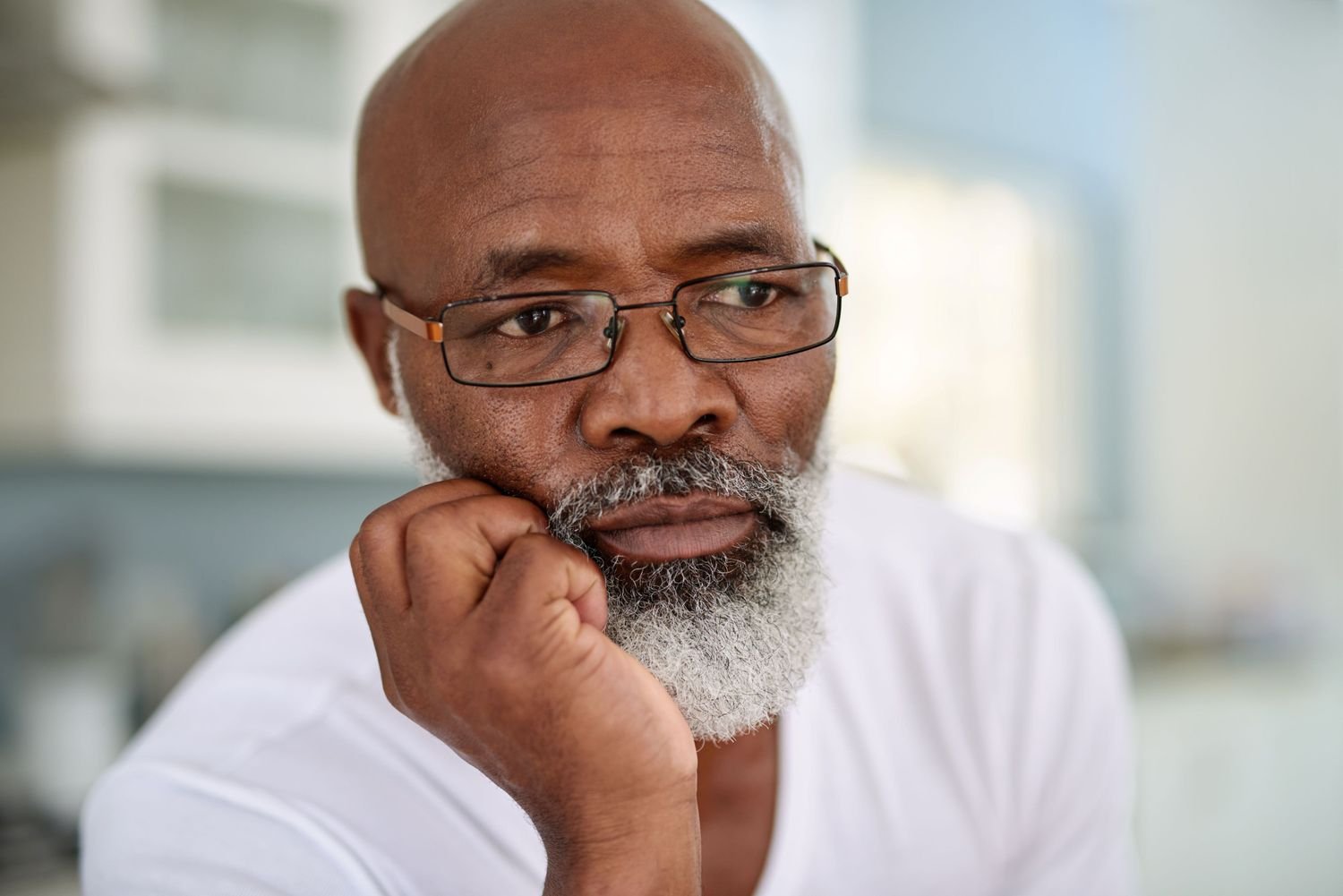
Many people with prostate cancer feel anxiety or depression.
Cecilie_Arcurs / Getty Images
What Are the Signs of Depression and Anxiety?
Depression is more than feeling sad for a day or two. It can last for weeks or months. Signs include:
- Losing interest in hobbies or activities they usually enjoy
- Feeling sad, empty, or hopeless most of the day
- Sleeping too much or too little
- Feeling tired all the time
- Eating much more or much less than usual
- Trouble focusing or making decisions
Anxiety that gets in the way of daily life includes:
- Constant worrying that is hard to control
- Feeling restless or “on edge”
- Trouble relaxing
- Racing thoughts
- Trouble sleeping because of worry
- Physical symptoms like a fast heart rate or sweating
These feelings are common in many health conditions, including prostate cancer. Knowing the signs helps loved ones and caregivers support the person affected.
When to Seek Help
If you notice these signs for more than two weeks, talk with a healthcare provider or mental health professional.
If someone talks about hurting themselves or mentions suicide, contact a health professional or crisis line immediately. In the United States, the 988 Suicide & Crisis Lifeline is available by calling or texting 988.
How Does Prostate Cancer Affect Mental Health?
Mental health can change when you are coping with cancer. The stress of diagnosis, treatments, changes in daily life, and uncertainty about the future can all affect mood and feelings:
- Many people with prostate cancer have symptoms of depression or anxiety at some point.
- People with prostate cancer have a much higher long-term risk of diagnosed anxiety disorders compared to those without cancer. This risk is especially high right after diagnosis and for those treated with certain hormone therapies.
Left untreated, depression and anxiety can make it harder for someone to do daily tasks, cope with treatment, and enjoy life. Early recognition and care of anxiety and depression can:
- Improve overall quality of life
- Help the person stay engaged with medical care
- Reduce feelings of isolation and fear
What Causes Emotional Distress in People With Prostate Cancer?
Depression and anxiety may occur during the cancer journey for several reasons:
- Fear of the future: Worries can include test results, survival, or treatment outcomes.
- Side effects of treatment: Fatigue, pain, changes in sexual function, and urinary issues can be hard to cope with.
- Hormone therapies: Some treatments that change hormone levels can affect mood and emotions.
- Lifestyle changes: Cancer may keep someone from being able to do the activities they enjoy and may change how they are able to work or function in their families.
How Can Family and Friends Help?
Supporting a loved one with prostate cancer isn’t just about helping with healthcare provider visits or medications. Emotional support is very important as well.
1. Be a Good Listener
Ask open questions like:
- “How are you feeling today?”
- “Is anything worrying you?”
Let them answer without rushing to give advice.
2. Offer Practical Help
Sometimes, little things can make a big difference:
- Help with appointments or errands
- Cook a meal
- Sit together while they rest
Showing that you care can reduce stress and help someone feel less alone.
3. Encourage Professional Help
It’s OK to talk with a mental health professional, like a counselor or therapist. These experts are trained to help people cope with strong emotions, stress, and fear. Seeking professional help is not a sign of weakness.
What Do Professionals Use to Detect Depression and Anxiety?
Healthcare professionals use tools to check for depression or anxiety. Some examples include:
These tools consist of questions about how someone has been feeling. They are simple to use and help guide the next steps for care.
What Are the Treatment and Support Options?
Depression and anxiety can be managed in several ways:
- Therapy (talk therapy): A trained mental health professional helps explore thoughts and feelings and provides tools for coping and addressing specific problems.
- Support groups: Connecting with others going through similar experiences can be comforting.
- Medication: Antidepressants or anti-anxiety medicines may be prescribed.
- Healthy lifestyle: Eating well, staying active, and getting good sleep can support better mental health.
Verywell Health uses only high-quality sources, including peer-reviewed studies, to support the facts within our articles. Read our editorial process to learn more about how we fact-check and keep our content accurate, reliable, and trustworthy.
National Institute of Mental Health. Depression.
World Health Organization. Depressive disorder (depression).
American Psychological Association. Anxiety.
Esser P, Mehnert-Theuerkauf A, Friedrich M, et al. Risk and associated factors of depression and anxiety in men with prostate cancer: Results from a German multicenter study. Psychooncology. 2020;29(10):1604-1612. doi:10.1002/pon.5471
Duarte V, Araújo N, Lopes C, et al. Anxiety and depression in patients with prostate cancer, at cancer diagnosis and after a one-year follow-up. Int J Environ Res Public Health. 2022;19(15):9122. doi:10.3390/ijerph19159122
Fereidouni Z, Dehghan Abnavi S, et al. The impact of cancer on mental health and the importance of supportive services. Galen Med J. 2024 Feb 26;13:e3327. doi:10.31661/gmj.v13i.3327
Crump C, Stattin P, Brooks JD, Sundquist J, Sundquist K, Sieh W. Risk of anxiety disorders in men with prostate cancer: a national cohort study. JNCI Cancer Spectrum. 2024;8(5):pkae087. doi:10.1093/jncics/pkae087
Thanks for your feedback!
What is your feedback?
Helpful
Report an Error
Other
