


By EarthTimes Health Desk | February 19, 2026
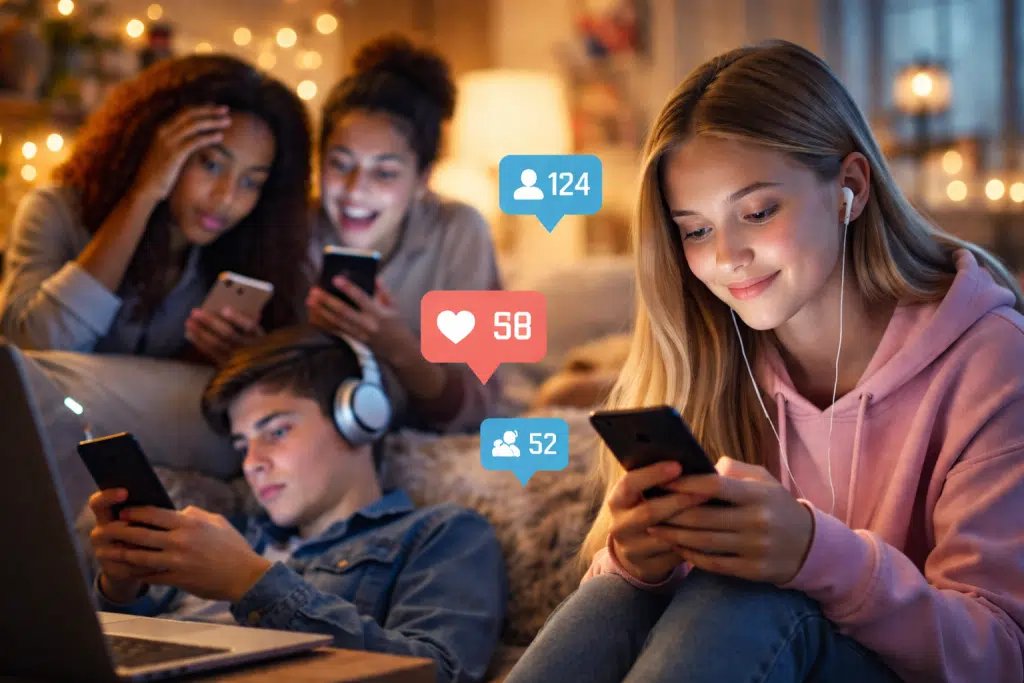
From scrolling before breakfast to late-night binges, social media use has become a defining feature of today’s teen years. This article examines the latest research on teens and digital platforms, exploring what experts are learning about mental health and developmental outcomes — and how those findings are increasingly intersecting with legal scrutiny.
For readers interested in how mounting concerns about youth well-being are now playing out in court, this in-depth look at the social media trial examining youth safety and platform design offers additional perspective on how accountability efforts could reshape protections for young users.
The New Reality of Teen Social Media Engagement
It’s no surprise that nearly every teenager in the developed world uses social media. Studies show that a large majority of adolescents are active daily on platforms like Instagram, TikTok, Snapchat and YouTube — often for several hours a day. For many teens, social connectivity, self-expression and identity exploration are mediated through these digital environments.
But what does this constant digital presence mean for teens’ emotional and social well-being?
Research from clinical institutions and public health organizations suggests the answer isn’t simple: social media isn’t inherently good or bad, but its influence depends on how it is used, how much, and what kind of support teens have in interpreting their experiences.
Linking Heavy Use to Mental Health Trends
Several long-term studies indicate a correlation between heavy social media use and mental health difficulties among teenagers, though scientists caution that correlation is not the same as causation.
For example:
- Adolescents who spend more than three hours per day consuming and interacting with social media content report higher levels of anxiety, depressive symptoms and body image concerns compared with peers who use these platforms less intensively.
- Teenagers who frequently engage in upward social comparison — comparing their lives to the curated portrayals of others — are more likely to experience diminished self-esteem and emotional distress.
- Excessive night-time screen use disrupts sleep cycles, which is independently linked to mood instability and decreased academic performance.
Importantly, health professionals emphasize that these trends are not universal. Many teens navigate social platforms without evident harm, and some even benefit from online communities that affirm identity and provide support networks — particularly for marginalized youth. As researchers like Dr. Maria Garcia of Harvard Science Review have noted, the impact of digital platforms often depends on context, moderation, and the individual teen’s existing support system rather than the mere presence of social media itself.
Why the Adolescent Brain Is Especially Vulnerable
The teenage brain is not simply a smaller adult brain — it is highly plastic and still developing through the mid-20s. During adolescence, regions of the brain associated with reward processing, self-identity and emotional regulation are particularly active and sensitive to social feedback.
This developmental stage can amplify the allure of peer validation, sensitivity to social status cues, and vulnerability to rejection and exclusion.
Neuroscientists believe these neural patterns may help explain why teens experience social media feedback — likes, comments, sentiments — in a way that feels emotionally intense and sometimes destabilizing.
While some level of social engagement is normative and beneficial, experts warn that constant exposure to comparison cues, curated content and algorithm-driven engagement loops can create psychological stress that resonates long after the screen is turned off.
Displacement of Other Healthy Activities
One factor that researchers consistently highlight is displacement. When time spent on screens crowds out time for other health-promoting activities — physical play, face-to-face friendships, family engagement, creative expression or sleep — the cumulative impact on well-being can be significant.
For instance:
- Teens who are online late at night are more likely to experience shortened sleep duration and poorer quality of sleep — both risk factors for depression and irritability.
- Adolescents who rely on social media for their primary social interaction may have fewer opportunities to develop in-person communication skills and emotional nuance.
These patterns aren’t limited to any single platform — rather, they mirror broader shifts in how young people allocate attention, time and emotional energy in a digitized world.
Positive Uses: Connection, Creativity and Support
It’s not all doom and gloom. Social media can serve positive roles when used intentionally:
Community and Support
For teens who feel isolated — whether due to geography, identity or marginalization — online spaces can provide peer support groups, creative communities, and avenues for self-expression that might not exist offline.
These networks can foster belonging, especially for LGBTQ+ youth, teens with chronic illness or those in rural communities.
Skill Development
Platforms that incorporate creative tools — video editing, storytelling, design — offer opportunities to develop technical skills and digital literacy that can translate into future careers and confidence in digital spaces.
Awareness and Activism
Many teens use social channels to engage in social causes, amplify issues they care about, or organize around community goals, demonstrating that these platforms can be tools for civic engagement.
So When Does Social Media Become a Risk?
Experts generally point to patterns rather than isolated use as indicators of concern:
- When social media use significantly increases emotional distress,
- When it replaces foundational health behaviors like sleep and physical activity,
- When teens rely on online validation for self-worth,
- Or when content exposure includes harmful material (such as cyberbullying, self-harm encouragement or extreme comparisons).
These patterns are not inevitable — they are shaped by parental guidance, social environment, platform design, educational context, and access to offline support.
This is why multidisciplinary efforts — involving families, educators, clinicians and policymakers — are essential for helping teens navigate digital spaces safely.
What Parents and Caregivers Can Do
Meaningful guidance doesn’t start with bans or ultimatums — it begins with dialogue and shared understanding. Experts recommend:
1. Talk About Feelings, Not Just Screen Time
Ask how social media use makes them feel rather than simply how long they’ve been online.
2. Set Boundaries Collaboratively
Work together to establish screen-free zones and offline times — especially around bedtime.
3. Encourage Balanced Activities
Support involvement in in-person hobbies, sports, reading, arts, and interpersonal interactions.
4. Model Healthy Behavior
Teens often mirror adult tech habits. Demonstrate thoughtful and balanced engagement with screens.
5. Seek Support Early
If a teen’s mood, sleep or academic performance is increasingly tied to social media use, consider involving a pediatrician or mental health professional.
A Balanced Perspective
Social media is not a single entity — it’s a constellation of platforms, behaviors and human experiences. As research continues to evolve, one theme stands out: intentional and balanced use tends to correlate with better outcomes, while compulsive, comparison-driven interaction tends to magnify emotional challenges.
Ongoing reporting and public discourse, including analysis featured on ITPR, continue to explore how digital habits intersect with youth development and mental health. As families and communities adapt, the goal should not be fearless avoidance, but informed engagement — helping teens harness the positive potential of digital connection while minimizing risks to their emotional and developmental well-being.
In a world where screens are increasingly inseparable from everyday life, empowerment comes from understanding, communication and thoughtful design of both digital spaces and real-world support systems.
