

Close Menu

    Subscribe to Updates

    Get the latest creative news from FooBar about art, design and business.

    What's Hot

    From denial to empowerment: How I manage my mental health

    February 18, 2026

    Here’s How Much Social Security Checks Grew in 2026

    February 18, 2026

    Early puberty linked to higher risk of mental health problems

    February 18, 2026
    Facebook X (Twitter) Instagram
    Trending
    • From denial to empowerment: How I manage my mental health
    • Here’s How Much Social Security Checks Grew in 2026
    • Early puberty linked to higher risk of mental health problems
    • Darnall: Small, consistent habits are key for mental health
    • Social Security Is Asking Some Retirees to Pay Back Thousands – Here’s Why
    • These stand-ups are finding the funny side of climate change
    • How can employers ensure AI does not wreck employee mental health? (Spoiler
    • These simple daily habits can significantly reduce your stress
    Moving MountainsMoving Mountains
    Facebook X (Twitter) Instagram
    Wednesday, February 18
    • Home
    • Mental Health
    • Life Skills
    • Self-Care
    • Well-Being
    • Awareness
    • Inspiration
    • Workers Comp
    • Social Security
      • Injuries
      • Disability Support
      • Community
    Moving MountainsMoving Mountains
    Home » Planting Billions of Trees Turned Barren Desert into a Carbon Sink That Lowers Atmospheric CO2
    Community

    Planting Billions of Trees Turned Barren Desert into a Carbon Sink That Lowers Atmospheric CO2

    TECHBy TECHFebruary 18, 2026No Comments3 Mins Read
    Facebook Twitter Pinterest LinkedIn Tumblr Reddit WhatsApp Email
    Planting Billions of Trees Turned Barren Desert into a Carbon Sink That Lowers Atmospheric CO2
    Share
    Facebook Twitter LinkedIn Pinterest WhatsApp Email

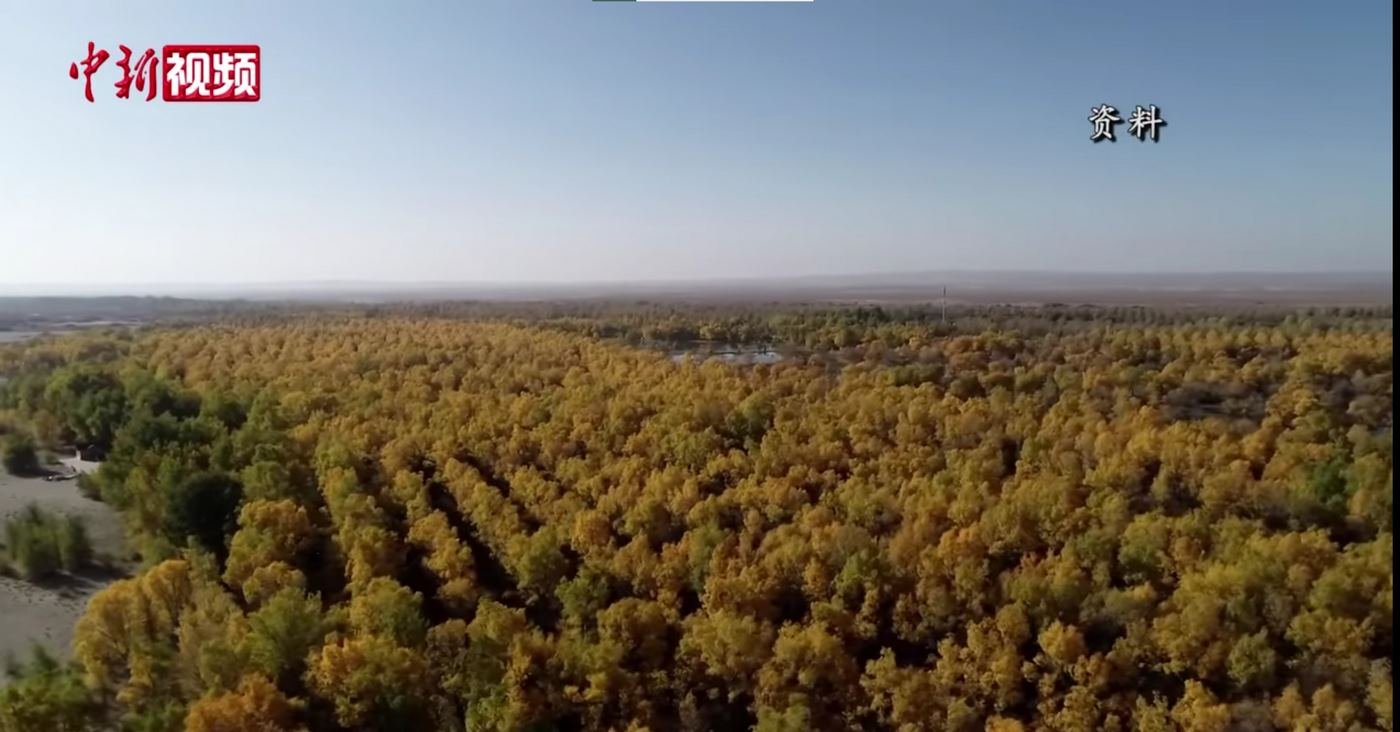
    A mixed-species section of the Green Great Wall – Credit: 中国新闻网 CC 3.0. BY

    China’s multi-decade long, successful effort to plant a ring of trees around one of the world’s most hostile deserts has sprouted an unexpected benefit to humanity.

    Along with protecting the nation’s grasslands and agriculture from the spreading sands of the dismal Taklamakan Desert, the giant ring of trees has turned previous unproductive land into a carbon sink that draws CO2 out of the atmosphere.

    It’s thought, and some isolated research has indeed demonstrated, that humans can prevent the worst effects of a rise in average global temperatures by planting trees to absorb more CO2 from the atmosphere.

    This strategy has limits, however, when viewed on a global scale. Atmospheric CO2 levels continue to rise, while there is a limit in the amount of land that can be turned over to forests.

    One-third of our planet is covered in deserts, where vegetation is sparse or absent, and rainfall is scarce, yet despite their vast acreage they collectively hold less than one-tenth of the world’s carbon stock, or the amount of carbon that is held underground.

    A study conducted by NASA and California Technical Institute (Caltech) has used satellite data to demonstrate that the “sea of death” as the Taklamakan Desert was called in antiquity, could be utilized to store carbon and reduce the greenhouse effect.

    The Taklamakan Desert. Credit: NASA World Wind 1.4.

    Starting in 1978, China’s Three-North Shelter Belt program aimed to plant trees along the borders of the great Taklamakan to stop sandstorms from ruining adjacent pasture and agriculture land. As the world’s single farthest point from any ocean, the Taklamakan is one of the driest and most hostile landscapes on our planet.

    The massive Himalayas rise to the south and east, the Pamirs to the southwest, and a pair of mountains known as the Tian Shan and the Altai to the west, leaving landscape completely isolated from moisture.

    66 billion trees have been planted by estimates since the start of the Shelter Belt program, which finished in 2024. Monikered the “Green Great Wall,” this incredible increase in greenery has raised average rainfall by several millimeters, resulting in a natural growth of foliage during the wet season that boosts photosynthesis along the tree line, leading to greater degrees of sequestration.

    TRANSFORMING OUR PLANET: 

    “We found, for the first time, that human-led intervention can effectively enhance carbon sequestration in even the most extreme arid landscapes, demonstrating the potential to transform a desert into a carbon sink and halt desertification,” study co-author Yuk Yung, a professor of planetary science at Caltech and a senior research scientist in NASA’s Jet Propulsion Laboratory, told Live Science in an email.

    By precise numbers, it has reduced the average carbon content in the desert air from 416 parts per million to 413 ppm. Parts per million is used as a measurement for the greenhouse effect. Worldwide, the number is 429.3. It was 350 in before the advent of industrialization.

    If more shelter belt-style tree planting efforts could be used to reclaim desert landscapes, it could open vast areas to absorbing carbon. With little to no vegetation, deserts in their natural state have precious little ability to do so.

    SHARE This Global Impact Of This Beyond Ambitious Attempt To Contain A Desert…

    Atmospheric Barren Billions carbon CO2 Desert Lowers Planting Sink Trees Turned
    TECH
    • Website

    Related Posts

    These stand-ups are finding the funny side of climate change

    February 18, 2026

    Good News in History, February 18

    February 18, 2026

    Sneaker program gives old shoes a second life

    February 18, 2026
    Leave A Reply Cancel Reply

    Don't Miss
    Mental Health

    From denial to empowerment: How I manage my mental health

    By TECHFebruary 18, 20260

    Content Warning: This article contains references to suicide. As a first-year, long nights of studying, packed…

    Here’s How Much Social Security Checks Grew in 2026

    February 18, 2026

    Early puberty linked to higher risk of mental health problems

    February 18, 2026

    Darnall: Small, consistent habits are key for mental health

    February 18, 2026
    Stay In Touch
    • Facebook
    • Twitter
    • Pinterest
    • Instagram
    • YouTube
    • Vimeo
    Our Picks

    From denial to empowerment: How I manage my mental health

    February 18, 2026

    Here’s How Much Social Security Checks Grew in 2026

    February 18, 2026

    Early puberty linked to higher risk of mental health problems

    February 18, 2026

    Darnall: Small, consistent habits are key for mental health

    February 18, 2026

    Subscribe to Updates

    Get the latest creative news from SmartMag about art & design.

    About Us

    At Moving Mountains, we believe that every individual has strength, value, and purpose—regardless of mental health challenges or physical disabilities. This platform was created to inspire hope, promote understanding, and empower people to live meaningful and confident lives beyond limitations.

    Latest Post

    From denial to empowerment: How I manage my mental health

    February 18, 2026

    Here’s How Much Social Security Checks Grew in 2026

    February 18, 2026

    Early puberty linked to higher risk of mental health problems

    February 18, 2026
    Recent Posts
    • From denial to empowerment: How I manage my mental health
    • Here’s How Much Social Security Checks Grew in 2026
    • Early puberty linked to higher risk of mental health problems
    • Darnall: Small, consistent habits are key for mental health
    • Social Security Is Asking Some Retirees to Pay Back Thousands – Here’s Why
    Facebook X (Twitter) Instagram Pinterest
    • About Us
    • Contact Us
    • Privacy Policy
    • Terms & Conditions
    • Disclaimer
    © 2026 movingmountains. Designed by Pro.

    Type above and press Enter to search. Press Esc to cancel.