


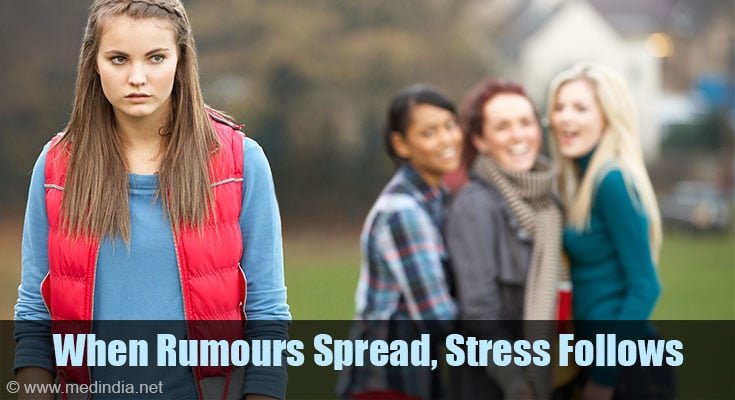
Rumours, gossip, and fake news may seem harmless, but experts say constant exposure to misinformation and online chatter can affect mental health, sleep, stress levels, and even physical well-being. Here’s how to protect yourself.
Highlights:
- Rumours and misinformation can raise stress and anxiety levels, especially when repeated online
- Constant exposure to emotionally charged content can disrupt sleep, mood, and focus
- Setting digital boundaries and verifying information can protect mental well-being
Rumours and gossip have always been part of social life, but in the digital era they spread faster and reach wider audiences than ever before. What may seem like harmless chatter can have real consequences for emotional and physical health (1✔ ✔Trusted Source
Mental health issues mediate social media use in rumors: Implication for media based mental health literacy
Go to source
).
Psychologists say exposure to false information or harmful gossip can trigger stress responses similar to other forms of social conflict. When people feel targeted by rumours or constantly consume emotionally charged content, the body may respond with anxiety, fatigue, irritability, and sleep disturbance.
Over time, repeated exposure to stressful online conversations can contribute to chronic stress, which is linked to heart disease, depression, and weakened immunity.
Advertisement
Rumours, Gossip, and Fake News: What’s The Difference?
Rumours are unverified pieces of information that spread without reliable evidence. Some may be positive, but until confirmed, they remain uncertain.
Gossip involves sharing those rumours, often adding personal opinions or assumptions. In the digital age, gossip can quickly turn into misinformation or “fake news,” especially when shared widely on social media without verification.
Research shows people are more likely to believe emotionally charged content, even if it is inaccurate. This can shape mood, behaviour, and perception long after the information is proven false.
Advertisement
The Psychological Toll of Online Chatter
Exposure to rumours or false stories can have immediate emotional effects. People often feel anger, fear, or embarrassment, even if they later learn the information was incorrect. These emotional reactions can linger and influence future behaviour.
Being the target of gossip or online rumours can be even more harmful. Studies link online harassment and misinformation to:
- Increased anxiety and stress
- Sleep problems
- Low self-esteem
- Depression
- Social withdrawal
In severe cases, persistent online bullying or reputational damage can contribute to long-term mental health conditions, including post-traumatic stress and panic disorders.
Advertisement
Why Misinformation Feels So Stressful
The brain reacts strongly to social threats, including reputation damage or exclusion. Even reading negative or false information about yourself or others can activate stress pathways.
Social media platforms intensify this effect by delivering constant updates, emotional headlines, and comparison-driven content. This keeps the brain in an alert state rather than allowing it to rest and recover.
Experts note that repeated exposure to upsetting information can lead to mental fatigue, reduced concentration, and emotional exhaustion.
How to Protect Your Mental Health
You cannot control what others say, but you can control how you respond. Health experts suggest several strategies to reduce the impact of rumours and misinformation.
Verify Information Before Reacting
Check multiple credible sources before believing or sharing a story. Emotional reactions often decrease once facts are clarified.
Limit exposure to toxic content
Reduce time spent on accounts or platforms that spread negativity or unverified claims. Curate your feed to prioritise reliable information.
Avoid engaging with harmful gossip
Sharing or commenting on rumours can amplify stress and harm. Ignoring and reporting harmful content is often more effective.
Set digital boundaries
Taking breaks from social media allows the nervous system to reset. Even short periods offline can reduce stress and improve mood.
Seek support if targeted
If you are the subject of harmful rumours or online bullying, reach out to trusted friends, family, or professionals. Blocking, reporting, and documenting harassment can also help.
The Role of Media Literacy
Learning to distinguish reliable information from misinformation is one of the most effective ways to protect mental health. Media literacy involves checking sources, understanding bias, and recognising emotionally manipulative content.
Experts say strengthening these skills can reduce anxiety and help people feel more in control of what they consume online.
The Bottom Line
Rumours and gossip may seem harmless, but constant exposure to misinformation and online chatter can affect mental and physical health. Managing what you consume, verifying information, and setting boundaries can help protect your well-being in a digital world where information spreads instantly.
Staying informed is important, but staying mentally healthy matters just as much.
Frequently Asked Questions
Q: Can reading negative rumours really affect the body?
A: Yes. Stressful information can activate the body’s stress response, raising heart rate, tension, and anxiety even if the situation isn’t physically threatening.
Q: Why does fake news feel emotionally intense?
A: The brain reacts strongly to emotionally charged or threatening information, even when it’s unverified, because it interprets it as a social risk.
Q: Are some people more affected by gossip than others?
A: Yes. People with anxiety, high social media use, or past experiences of bullying may be more sensitive to rumours and online negativity.
Q: How can I reduce stress from online misinformation?
A: Limit exposure, verify sources, avoid reacting immediately, and take regular breaks from social media platforms.
Q: When should someone seek professional help?
A: If rumours or online harassment cause persistent anxiety, sleep problems, panic, or withdrawal from daily life, speaking with a mental health professional is recommended.
Reference:
- Mental health issues mediate social media use in rumors: Implication for media based mental health literacy – (https://pmc.ncbi.nlm.nih.gov/articles/PMC7204703/)
Source-Medindia
