


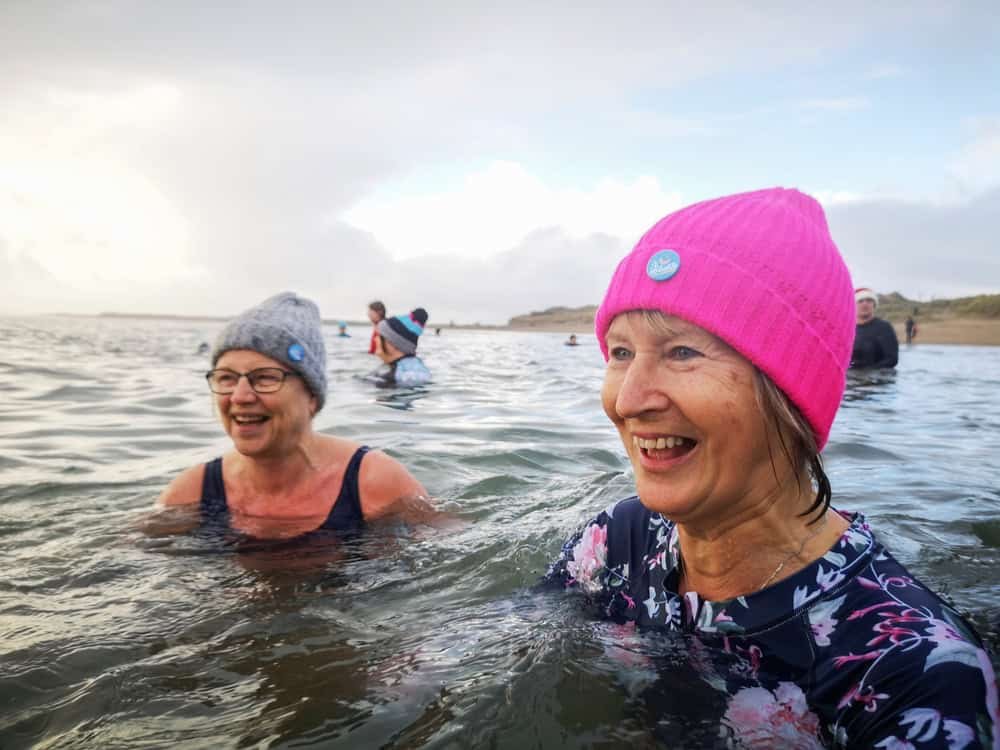
As ministers propose new bathing waters across England, swimmers, councils, brands and campaigners are beginning to align around a shared goal – cutting single-use plastic at source
Communities across England could soon benefit from thirteen new designated bathing water sites, in what ministers describe as a significant expansion of safe, monitored places to swim.
Among the proposals is the first ever designated bathing spot on the River Thames in London at Ham and Kingston – a stretch of river once declared biologically dead in the 1950s because of pollution. Today, it is being put forward as a symbol of renewal.
If approved, the additions would bring the total number of bathing waters in England to 464. Last year, 93% met acceptable standards for swimming, with four in five rated either ‘excellent’ or ‘good’. The proposals follow reforms to the Bathing Water Regulations intended to modernise monitoring and better reflect how people actually use rivers, lakes and beaches.
Solutions every Saturday
Uplift your inbox with our weekly newsletter. Positive News editors select the week’s top stories of progress, bringing you the essential briefing about what’s going right.
Sign up
Outdoor swimming in England is no longer a fringe pursuit but is becoming part of civic identity, and with it comes a new kind of environmental leverage.
On a cold January morning in Brighton, swimmers gathered at Sea Lanes – the national open water swimming centre built directly on the beach – pulling on wetsuits and adjusting goggles before heading into the Channel. Others opted for the heated 50-metre outdoor pool that runs parallel to the shoreline.
Sea Lanes, which opened only three years ago, is thriving and has recently announced plans for similar facilities to open later this year in Portsmouth and in London, where construction has started on a floating natural water pool at Eden Dock in Canary Wharf.
Construction on a new pool at Eden Dock in Canary Wharf. Image: Jess Hurd
In Brighton, swimmers emerging from the sea were handed hot drinks in refillable bottles rather than disposable ones. The giveaway was organised by frank green, an Australian-founded reusable bottle brand that has made open water swimming central to its UK campaign this year. The event was supported by MINI, whose electric Countryman formed part of the backdrop – a low-emissions model positioned around similar environmental values.
The message was about normalising and rewarding refill culture in places where single-use plastic has long been the default.
Dan Roberts, head of UK for frank green, believes swimming offers a cultural turning point. “We’re encouraging people to reconnect with the water but at the same time plastic waste is still ending up in those same waters,” he says. “If this movement is going to grow responsibly, the environment has to be front and centre.”
In England, the average adult buys around 175 single-use plastic bottles each year. Roughly 7.7bn plastic bottles are sold annually, with an estimated 3.5bn used for water, according to a House of Commons Environmental Audit Committee report. Only a fraction are recycled. Around 80% of marine litter is plastic, and bottles are the second largest contributor and drinks containers remain among the most common items found in coastal clean-ups.
The question is whether a visible, growing swimming culture can accelerate policy change. There is precedent. In 2019, the Isle of Skye became one of the first places in the UK where local retailers voluntarily stopped selling single-use plastic water bottles following a community campaign. Across Europe and parts of the United States, national parks, cities and cultural institutions have introduced partial or full bans on single-use plastic bottles, replacing them with refill infrastructure.
Roberts argues that behaviour change depends on convenience. “We can’t just tell people to do better,” he says. “Convenience drives behaviour, so it’s integral that carrying refillable bottles becomes part of our culture. But there also has to be infrastructure – water fountains, public refill stations – to support it.”
If this movement is going to grow responsibly, the environment has to be front and centre
Funding that infrastructure is where collaboration might lead to change. In Brighton, the Pride in Place programme has awarded the city £20 million over ten years to support regeneration and public realm improvements. Community leaders will help decide where that money is spent and expanding refill points along the seafront could sit within that framework, alongside potential public-private partnerships in which brands contribute funding or equipment.
Community groups are alert to the risks of superficial alignment. Organisations such as Leave No Trace Brighton have previously made clear they only want to work with partners whose environmental commitments run deeper than marketing.
That alignment is beginning to take shape on the south coast. Sea Lanes provides facilities. The council shapes infrastructure. Brands push culture change and campaign groups maintain scrutiny.
Brighton’s Big Swim is expected to bring together more than 1,000 women in March, to mark International Women’s Day and raise funds for Surfers Against Sewage.
“We’re turning a joyful sea dip into a powerful call to end pollution,” says event organiser and Surfers Against Sewage ambassador Nicky Chisholm.
Individually, refusing a plastic bottle is a small act, but shifts in culture may force councils to go further – whether through restricting sales in sensitive areas, expanding refill networks or embedding plastic reduction into regeneration plans.
The rise of outdoor swimming will not solve England’s plastic problem on its own but as access to designated bathing waters expands, rivers and coastlines become shared spaces, protected by the people who use them.
On Brighton beach, swimmers wrapped in towels cradled reusable bottles instead of disposable ones. A modest gesture that if scaled across England’s growing swimming community, could well shift culture and policy.
Main image: jax10289
Be part of the solution
At Positive News, we’re not chasing clicks or profits for media moguls – we’re here to serve you and have a positive social impact. We can’t do this unless enough people like you choose to support our journalism.
Give once from just £1, or join 1,800+ others who contribute an average of £3 or more per month. Together, we can build a healthier form of media – one that focuses on solutions, progress and possibilities, and empowers people to create positive change.
Support Positive News
