


1. Four weeks of telephone-delivered behavioral activation and mindfulness interventions by lay counsellors were associated with reduced loneliness and improved well-being at 12 months among older adults compared to telephone-delivered befriending.
Evidence Rating Level: 1 (Excellent)
Late-life loneliness is associated with poor mental and cognitive health and increased risk of premature mortality. Behavioral activation interventions encourage engagement in rewarding and meaningful activities, while mindfulness interventions foster present-moment awareness and acceptance. Although both interventions have been shown to alleviate loneliness, long-term effects past 6 months are unclear. This study thus investigated the long-term effects of behavioral activation and mindfulness interventions compared with a befriending intervention on reducing loneliness among older adults. This study was part of the Helping Alleviate Loneliness in Hong Kong Older Adults (HEAL-HOA), a randomized clinical trial conducted between April 1, 2021, and April 28, 2024. Eligible participants >65 years who were living alone, digitally excluded, lonely, and experiencing financial hardship were included. Participants were randomized 1:1:1 to receive telephone-delivered behavioral activation (Tele-BA), telephone-delivered mindfulness (Tele-MF), or telephone-delivered befriending (Tele-BF [attention control]). Trained lay counsellors delivered eight 30-minute sessions via telephone for 4 weeks. As the control, the tele-BF intervention included emotional and informational support without teaching any psychosocial skills. The primary outcome was loneliness, measured using the UCLA Loneliness Scale (UCLA-LS) and the De Jong Gierveld Loneliness Scale (DJGL). Outcomes were assessed at baseline and at 1, 3, 6, and 12 months of follow-up. Of the 1,151 participants (mean [SD] age, 76.6 [7.8] years; 843 [73.2%] female) randomized, 335 [29.1%] received Tele-BA, 460 [40.0%] received Tele-MF, and 356 [30.9%] received Tele-BF. Intention-to-treat analyses found lower loneliness scores in both the Tele-BA group (UCLA-LS: mean difference [MD], −0.73; 95% CI, −1.29 to −0.16; DJGL: MD, −0.13; 95% CI, −0.23 to −0.03) and Tele-MF group (UCLA-LS: MD, −0.72; 95% CI, −1.24 to −0.20) compared with Tele-BF. At 12-months, between-group differences showed better sleep quality, psychological well-being, perceived social support, and life satisfaction, as well as lower levels of depressive symptoms, anxiety, and perceived stress (overall between-group difference P < .001). Overall, this study found that telephone-delivered behavioral activation and mindfulness interventions by lay counsellors reduced loneliness and enhanced well-being during 12 months in older adults. These results highlight the potential of these interventions in mitigating late-life loneliness.
Click here to read this study in JAMA Network Open
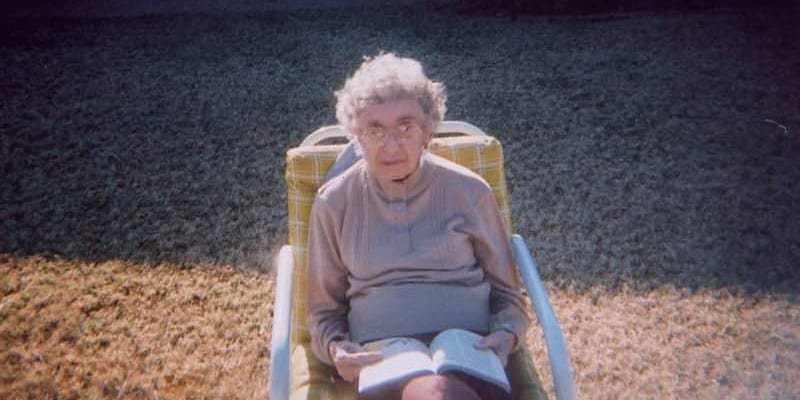
Image: PD
©2026 2 Minute Medicine, Inc. All rights reserved. No works may be reproduced without expressed written consent from 2 Minute Medicine, Inc. Inquire about licensing here. No article should be construed as medical advice and is not intended as such by the authors or by 2 Minute Medicine, Inc.
