


For years, neighbors Mauren Castro and Marta Sosa stayed home to care for their children as their husbands fished for the household in Costa de Pajaros, a small village in Costa Rica. Then, in 2022, they took on new roles and joined Piel Marina, a cooperative of women who turn fish skins into sustainable fashion.
At first, Castro was skeptical.
“We said, ‘How can a skin, which is something that gets smelly, which is waste, be the raw material for women to be able to get ahead?’” Castro told Agence France-Presse.
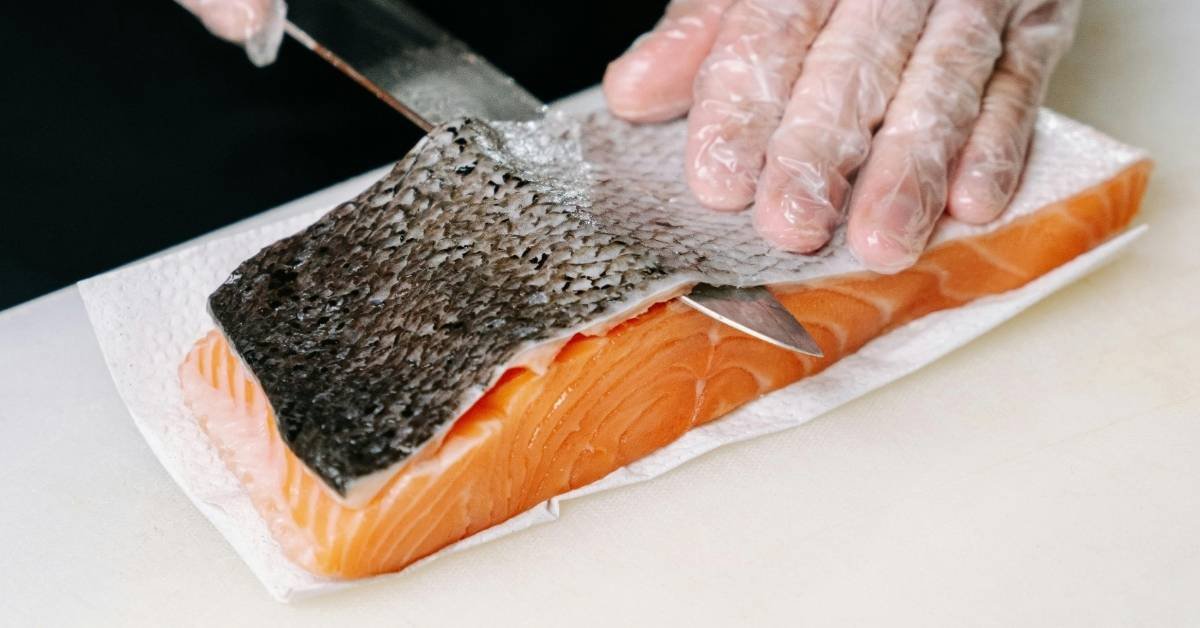
But after three years at Piel Marina, Castro knows just how far fish skin can go when it’s not destined for the trash can. Sporting rubber gloves, she and Sosa led a demonstration, gently rubbing the scales and flesh off a filleted sea bass.
“Then we take it and wash it with soap, as if we were washing clothes,” Sosa explained. “Then we dye it with glycerin and alcohol and natural dye, and then we dry it.”
After four days of dyeing and four days of drying, the fish skin transforms into soft, pliable leather, which is then used to handmake handbags, earrings, and necklaces.
Through their work at Piel Marina, Sosa and Castro have continued a fish tanning tradition that traces back thousands of years to the Indigenous people of Scandinavia, Alaska, and Asia.
As they join a global practice, they dream of someday seeing their work on a global stage.
Castro said, “I would like it to be seen in Hollywood, in Canada, or on the great catwalks in Paris!”
A version of this article originally appeared in the 2025 Fashion Edition of the Goodnewspaper.
Header image via Ivan S / Pexels
