


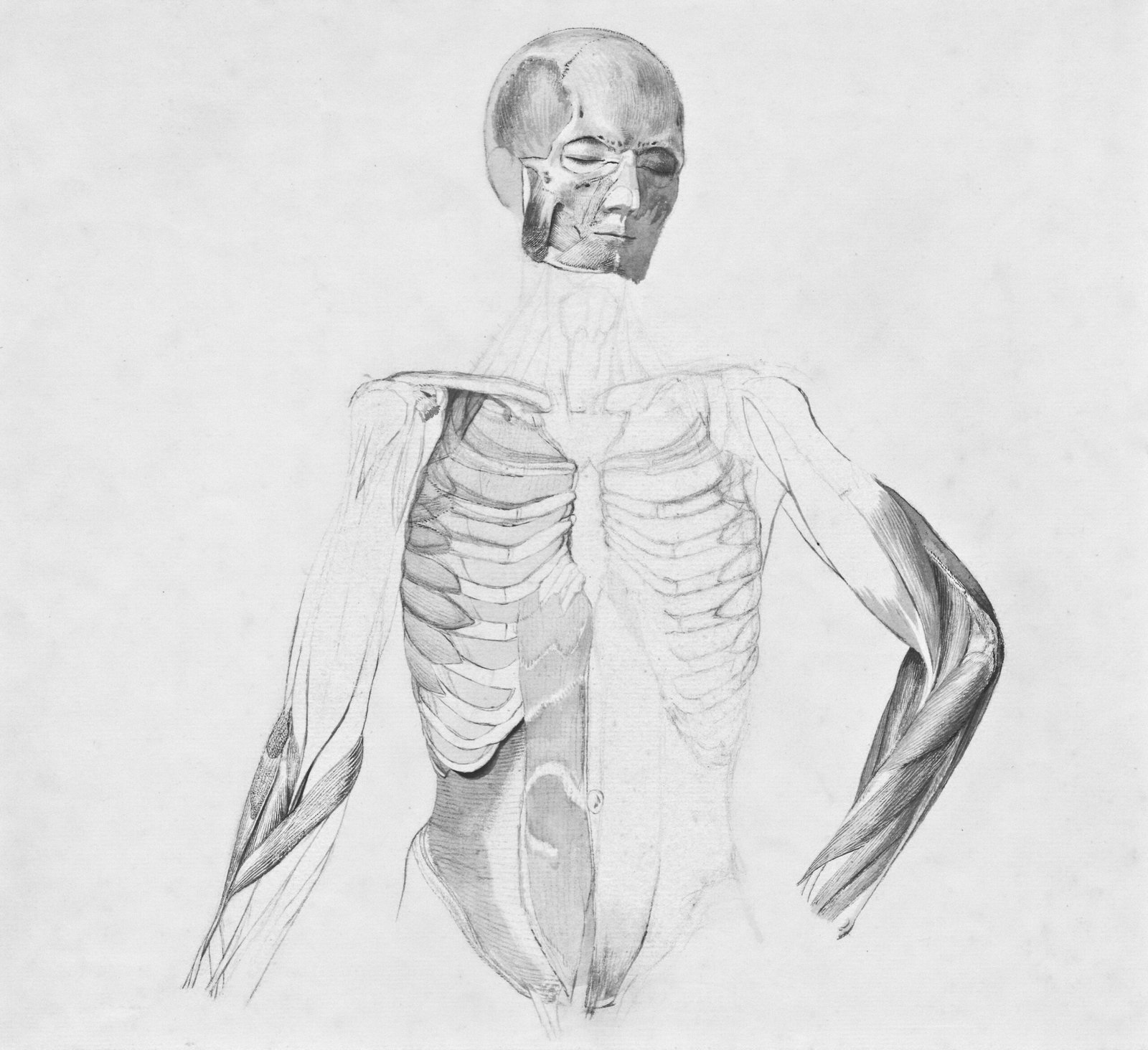
Duchenne Muscular Dystrophy (DMD) is a serious genetic condition that affects muscle strength and function. If you or a loved one has been diagnosed with DMD, understanding what to expect and how to manage the condition can make a real difference in daily life. Let’s explore the key aspects of this disorder together.
Recognizing the Signs and Symptoms
DMD typically appears in early childhood, usually between ages 2 and 5. Parents often notice their child having difficulty keeping up with peers during play or struggling with basic activities. Common early signs include frequent falls, trouble climbing stairs, and a distinctive way of walking where the child appears to waddle.
As the condition progresses, muscle weakness becomes more noticeable. Children may have difficulty rising from the floor, often using their hands to push themselves up in a characteristic movement called the Gowers maneuver. They might also experience calf muscle enlargement, which can seem counterintuitive since the muscles are actually weakening.
Other symptoms include delayed speech development, learning difficulties, and in some cases, heart and breathing problems. The progression varies from person to person, but generally, muscle weakness spreads from the lower body upward over time.
Where to Seek Professional Help
If you suspect DMD, your first step should be visiting your primary care physician. They can perform initial assessments and refer you to a pediatric neurologist who specializes in neuromuscular disorders. These specialists have the expertise to diagnose DMD through various tests, including blood work, genetic testing, and muscle biopsies.
Specialized DMD clinics offer comprehensive care involving multiple professionals. You’ll benefit from working with physical therapists, occupational therapists, cardiologists, and pulmonologists. These multidisciplinary teams ensure all aspects of the condition receive proper attention.
Don’t overlook mental health support either. Counselors and psychologists can help both patients and families navigate the emotional challenges that come with a chronic diagnosis. Many hospitals and medical centers have social workers who can connect you with resources and support groups.
Building Your Support Network
Connecting with organizations dedicated to muscular dystrophy can be incredibly valuable. Groups like the Muscular Dystrophy Association provide educational materials, research updates, and connections to others facing similar challenges. Online communities and local support groups offer spaces to share experiences and learn from others.
Family involvement is crucial. Open communication with loved ones about your needs, fears, and hopes creates a stronger foundation for managing the condition together. Consider involving siblings and extended family in understanding DMD so everyone can provide meaningful support.
Practical Coping Skills and Strategies
Physical activity remains important, even with DMD. Work with your physical therapist to develop safe exercises that maintain flexibility and strength. Gentle stretching, swimming, and low-impact activities can help preserve mobility longer.
Adaptive equipment makes daily life easier. Grab bars in bathrooms, ramps for accessibility, and mobility aids like walkers or wheelchairs help maintain independence. Don’t hesitate to use these tools they’re designed to enhance quality of life.
Nutrition plays a supporting role in overall health. A balanced diet helps maintain healthy weight, which reduces stress on weakening muscles. Work with a nutritionist familiar with DMD to create an appropriate meal plan.
Emotional coping is equally important. Develop healthy ways to process difficult feelings. Some people find journaling helpful, while others prefer creative outlets like art or music. Mindfulness and relaxation techniques can reduce anxiety and improve emotional well-being.
Set realistic goals and celebrate small victories. Progress might look different than expected, but acknowledging achievements whether physical, emotional, or social builds resilience and maintains hope.
Moving Forward with Confidence
Living with DMD presents real challenges, but many people with this condition lead fulfilling lives with proper support and management. Medical advances continue to improve treatment options and outcomes.
Remember that seeking help isn’t a sign of weakness it’s a sign of strength and self-awareness. Whether you’re newly diagnosed or managing long-term, connecting with healthcare professionals, support communities, and loved ones creates a comprehensive care network.
Your journey with DMD is unique. Be patient with yourself, stay informed about new treatments, and focus on what you can control. With the right resources, support system, and coping strategies, you can navigate this condition while maintaining quality of life and hope for the future.
