


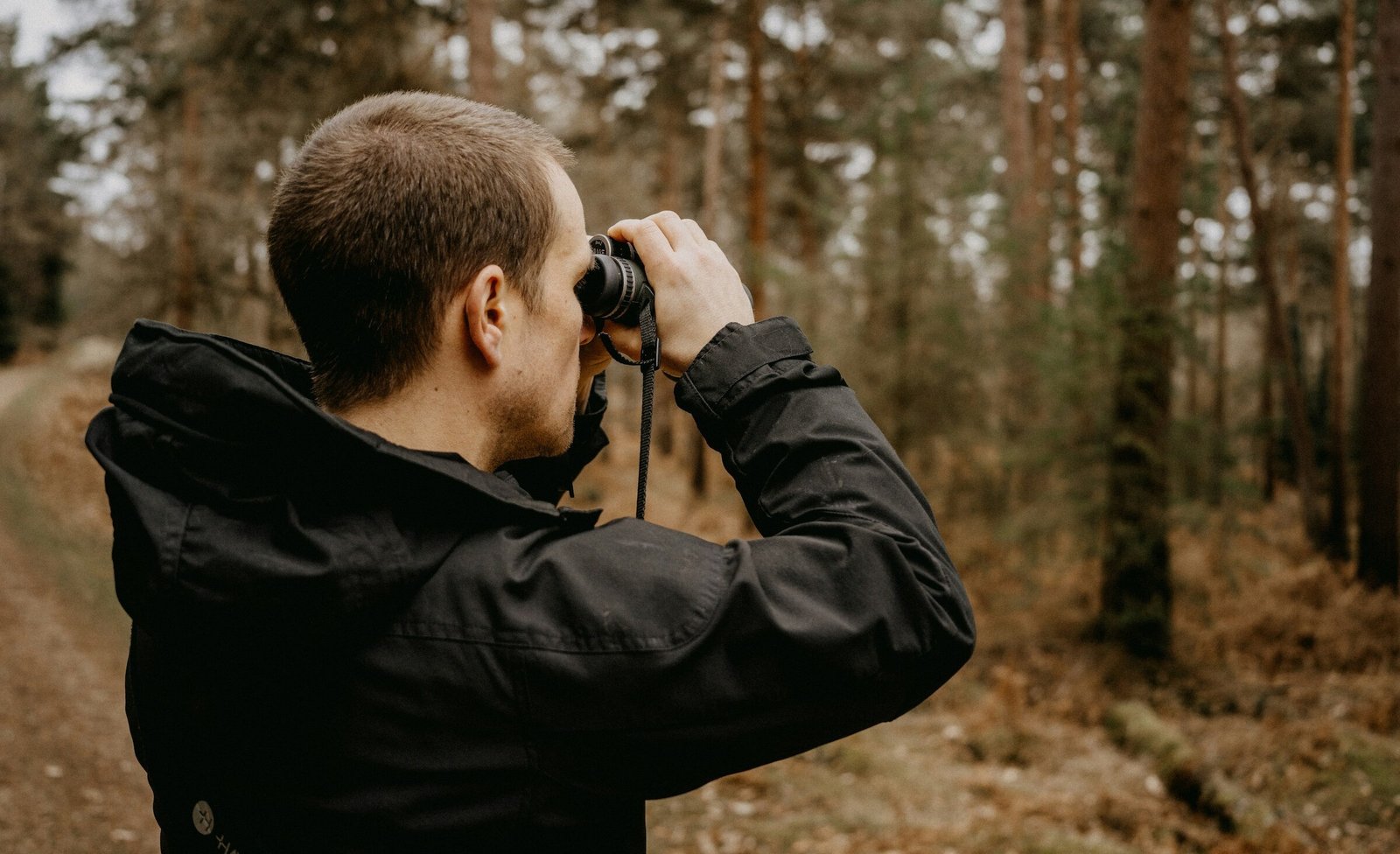
A new wave of young birders is helping to turn one of Britain’s oldest outdoor pastimes into one of its fastest-growing hobbies
For birdwatcher Ben Smith, the perfect day begins just before sunrise with a flask of tea and his binoculars, walking one of his favourite local trails.
“I don’t necessarily have to see anything special,” he said. “I write down everything I see, and maybe if I’m lucky I get a snap of a good bird on my camera.”
Smith, 23, is one of almost 750,000 Gen Z Brits who regularly enjoy birdwatching, according to research by Fifty5Blue and published by the Royal Society for the Protection of Birds (RSPB),
That marks a 1,088% increase since 2018, making birdwatching the second-fastest-growing hobby among 16- to 29-year-olds – behind only jewellery making – and proving that it’s no longer the niche preserve of waterproof-clad retirees.
Smith spends much of his time around Loch Lomond and traces his love of birds back to childhood trips with his father, a van driver who worked night shifts across rural Scotland. “I’d wake up in the van and we’d look for raptors while we drove – red kites, kestrels, peregrine falcons and eagles,” he recalls.
He later volunteered in his high school community garden, joined the RSPB youth council and went on to study zoology and ecology at the University of Glasgow, where he is currently studying for a master’s.
The RSPB’s findings show Smith is far from alone in his hobby. Across the UK, more than four million people now birdwatch, up 47% in the last six years. While Gen Z has seen the sharpest rise, interest has also grown strongly among millennials, up 216%, and Gen X, up 66%.
Across the UK, more than four million people now birdwatch, up 47% in the last six years. Image: Patrice Bouchard
Smith believes the interest among his age group has been driven in part by growing up against a backdrop of climate doom.
“Our whole lives as young people, we’ve had this climate change and biodiversity crisis,” he said. “So I guess there’s just a bit more respect for the natural world around us.” He also believes that his grandparents deserve some of the credit for his interest, as they “always seem to know the bird calls.”
Social media has helped too, he feels. Platforms once dominated by fashion hauls and gym selfies are increasingly peppered with bird photos, identification videos and clips of sightings, making the hobby less jargonistic, and even lending it a note of cool.
I’ve made loads of friends through birdwatching, there’s always someone ready to help
Technology has also lowered barriers. Apps like Merlin and iNaturalist can help identify and log sightings, making the hobby easier for beginners. Still, Smith believes the in-person social side is paramount. Recently, friends visited his Loch Lomond base and the group spent the evening paddling a canoe while listening to sandpipers and oystercatchers overhead.
“That was a perfect evening for us,”he said. “It’s that link between people. It’s infectious, once you know someone who’s into birdwatching, it catches you. You’re in.”
He ends with some advice for newbies: “You don’t need the best equipment, you don’t even need a pair of binoculars. Just get out there – start with your RSPB reserves, which are now free for 16- to 24-year-olds.
“I’ve made loads of friends through birdwatching, there’s always someone ready to help.”
Main image: Annie Spratt
Be part of the solution
At Positive News, we’re not chasing clicks or profits for media moguls – we’re here to serve you and have a positive social impact. We can’t do this unless enough people like you choose to support our journalism.
Give once from just £1, or join 1,800+ others who contribute an average of £3 or more per month. Together, we can build a healthier form of media – one that focuses on solutions, progress and possibilities, and empowers people to create positive change.
Support Positive News
