


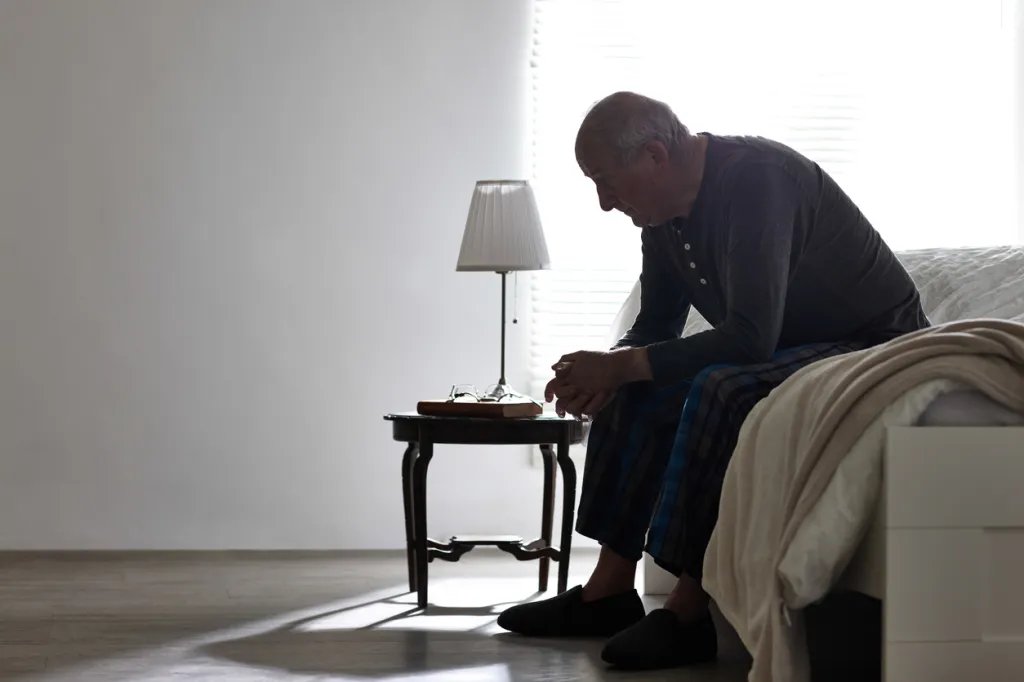
It’s encouraging that we dedicate a month to raising awareness about men’s mental health, but awareness isn’t enough and the conversation needs to be continued. Men often carry immense responsibilities as fathers, husbands, sons, coworkers, veterans and service members while quietly battling anxiety, depression, trauma, stress and loneliness. Too many suffer in silence, feeling pressure to appear strong and self-reliant rather than prioritizing their own well-being. Their mental health matters not only to them but also to the families, workplaces and communities that depend on them every day.
For generations, men have been taught to push through challenges on their own. While resilience and perseverance are admirable qualities, they can become barriers to seeking help. Many men still believe that asking for support is weakness. However, recognizing when you need help and reaching out for it is one of the strongest decisions a person can make.
The consequences of staying silent can be devastating. According to the National Institute of Mental Health, men die by suicide at nearly four times the rate of women in the United States. Behind every statistic is a loss that leaves a lasting impact on an entire community.
Here in Virginia, the need for greater awareness and support is especially urgent. Suicide claims more than 1,100 lives across the commonwealth each year. While mental health challenges affect people from all walks of life, Hampton Roads faces a unique reality that makes this conversation necessary.
Our region is home to one of the nation’s largest military populations. Active-duty service members, veterans, reservists and military families form the backbone of many of our communities. The values associated with military service — strength, discipline, sacrifice and perseverance — are deeply respected. Those same values can sometimes make it difficult for individuals to acknowledge when they are struggling.
Military personnel and veterans often face challenges most civilians never experience. Deployments, prolonged separations from family, frequent relocations, combat exposure and the lingering effects of trauma can take a significant toll on mental well-being. Even after military service ends, many veterans continue navigating stress, isolation and the transition to civilian life.
National data shows that veterans face elevated risks of suicide compared with the general population, underscoring the importance of ensuring access to mental health resources, early intervention and community support. Too many men continue to avoid seeking care because of stigma or fear of being perceived differently.
Encouragingly, conversations around mental health are becoming more common. Several organizations across Hampton Roads are working to normalize discussions about mental wellness and expand access to care. More families are learning to recognize warning signs, and more men are speaking openly about struggles they once felt compelled to hide.
Awareness alone is not enough; we must continue to encourage men to treat their mental health with the same seriousness they give their physical health. Most people understand the importance of seeing a doctor for chest pain, high blood pressure or a persistent injury. Stress, anxiety, depression and trauma deserve the same attention. They are health concerns, not character flaws.
If you’re struggling, know this: You don’t have to carry the burden alone. There are counselors, therapists, healthcare providers and support groups throughout Hampton Roads ready to help. Seeking support is not a sign of failure. It is a sign that you value your health, your future and the people who depend on you.
For family members, friends and colleagues, the responsibility is equally important. Check in on the men in your life. Ask how they are doing and be willing to listen to the answer. Simple conversations can be the first step toward getting someone the support they need.
True strength is not found in suffering in silence but found in recognizing when help is needed and having the courage to seek it. Mental health is health, and every life in Hampton Roads matters.
Danieal Robinson is a psychiatric-mental health NP at Elite DNA Behavioral Health in Chesapeake.
