


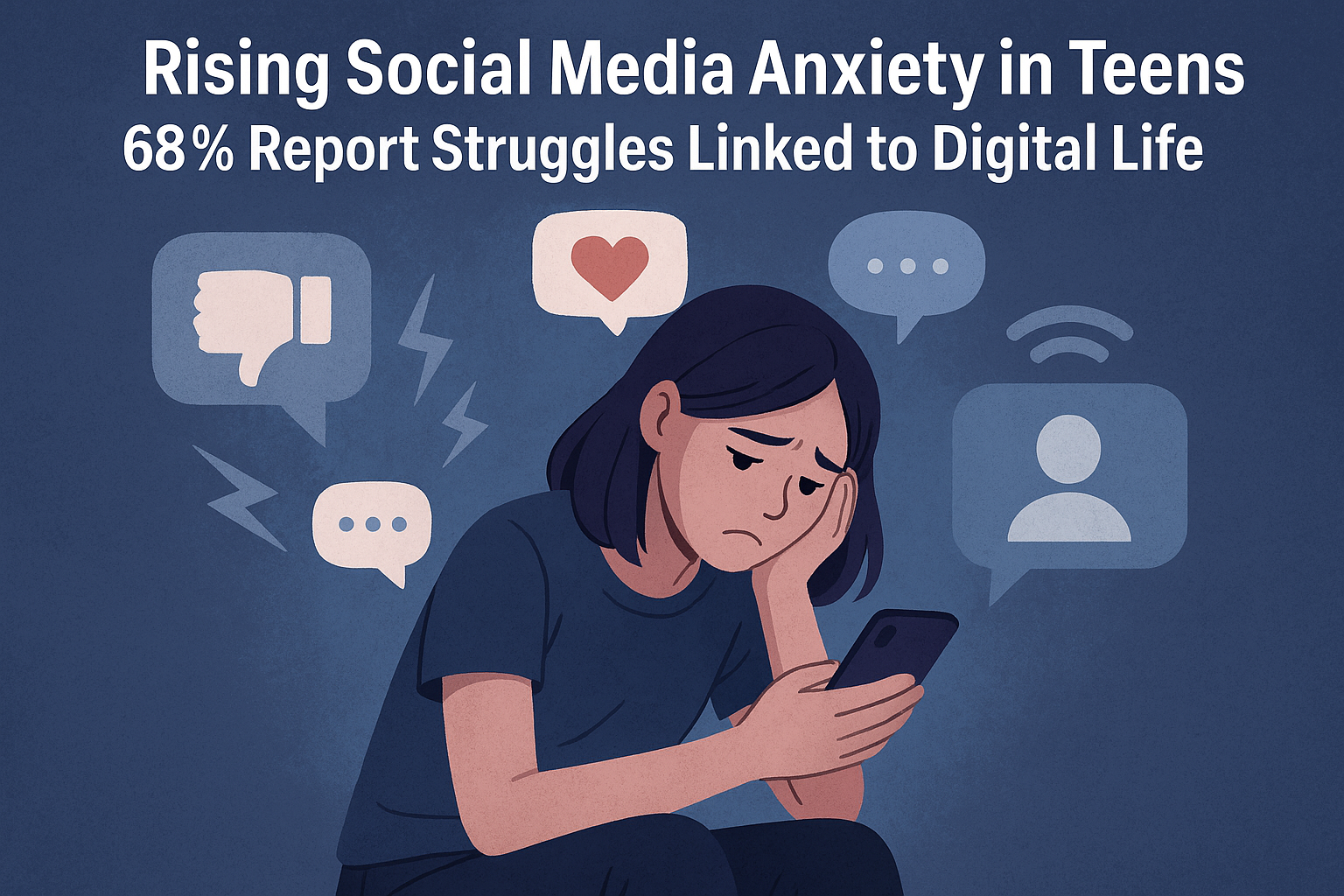
National Institute of Mental Health statistics.)
- Limit Screen Time: Encourage teens to set boundaries on their social media usage, such as implementing a “social media curfew” or designating specific times for online activity.
- Encourage Offline Activities: Promote participation in offline hobbies and activities, which can help reduce reliance on social media for fulfillment and social interaction.
- Foster Open Communication: Create a safe space for teens to discuss their feelings about social media and any associated pressures or anxieties.
- Educate About Digital Literacy: Teach teens about the curated nature of social media content, helping them understand that what they see is often an unrealistic portrayal of life.
The Impact of Peer Comparison
Peer comparison is another critical component of the anxiety landscape for teens. The study found that many adolescents feel as though they are in constant competition with their peers on social media, whether it’s related to appearance, lifestyle, or achievements. This can create an unhealthy mindset where self-worth is directly tied to social media metrics.
This phenomenon is often exacerbated by the tendency to only showcase positive experiences online, leading to a distorted view of reality. Teens may scroll through feeds filled with glamorous vacations, academic achievements, or perfect bodies, which can result in feelings of inadequacy. The pressure to measure up to these idealized standards can lead to anxiety, depression, and even body image issues.
The Role of Educators in Addressing Social Media Anxiety
Educators also play a pivotal role in addressing social media anxiety in teens. Schools should implement programs that educate students about digital citizenship, emotional well-being, and healthy online behaviors. By fostering discussions about the realities of social media, schools can help students build resilience and develop coping strategies.
Moreover, educators can encourage students to reflect on their social media use and its effects on their mental health. Providing a platform for discussions about mental wellness can empower teens to express their concerns and support one another in navigating the challenges of the digital age.
The Importance of Professional Help
Finally, acknowledging when professional help is needed is crucial in addressing serious mental health issues stemming from social media anxiety. If a teen exhibits signs of severe anxiety, depression, or withdrawal, it’s important for parents to seek help from licensed mental health professionals.
Therapists can provide tailored strategies to help teens cope with their feelings and offer a safe space for them to express their thoughts. In some cases, cognitive-behavioral therapy (CBT) has proven effective in addressing anxiety related to social media, helping teens reframe their thoughts and reduce their reliance on external validation.
Moving Forward: A Balanced Approach
As we move forward in an increasingly digital world, it’s vital to strike a balance between online engagement and offline well-being. With studies like Dr. Carter’s highlighting the link between social media usage and anxiety in teens, awareness is the first step towards fostering healthier digital habits.
By addressing the causes of social media anxiety in teens, promoting open communication, and encouraging healthier online behaviors, we can help our youth navigate their digital landscapes more effectively. Only through collaborative efforts involving parents, educators, and mental health professionals can we hope to mitigate the impact of social media on the mental health of adolescents.
Conclusion: Understanding the Path Ahead
Ultimately, the challenge lies not in eliminating social media altogether but in understanding its profound impact on mental health. The 68% of teens reporting anxiety tied to their social media experiences is a wake-up call. We must advocate for a healthier engagement with technology, fostering environments where teens can thrive both online and offline. As this conversation gains momentum, it’s essential for all stakeholders to come together, share insights, and work towards solutions that prioritize the mental well-being of our future generations.
The Long-Term Effects of Social Media Anxiety
While the immediate effects of social media anxiety can be concerning, the long-term effects warrant attention too. Chronic anxiety can lead to various mental health issues, such as anxiety disorders, depression, and even substance abuse. Teens who struggle with social media anxiety may also find it challenging to develop healthy relationships or feel comfortable engaging in social situations offline.
Related: You may also like
Research indicates that adolescents who experience high levels of social anxiety often carry these feelings into adulthood. A study published in the Journal of Adolescent Health found that adults who reported significant social media-related anxiety in their teenage years were more likely to experience mood disorders and relationship difficulties later in life. This highlights the importance of early intervention and the need for proactive measures to address social media anxiety.
Statistics on Teen Social Media Usage
To better understand the landscape of social media anxiety in teens, it’s essential to look at the statistics surrounding teen social media usage. According to a survey conducted by the Pew Research Center in 2023, 95% of teens have access to a smartphone, and 85% are active on at least one social media platform. The most popular platforms among teens include Instagram, TikTok, and Snapchat, where visual content reigns supreme. (See: CDC Youth Risk Behavior Survey.)
Interestingly, studies show that 70% of teens believe that social media has a positive impact on their lives, primarily due to the ability to connect with friends and share experiences. However, the downside is that nearly 40% of those surveyed reported feeling overwhelmed by the need to maintain an online presence or fear of missing out on social activities, which often leads to heightened anxiety levels.
Case Studies: Real Experiences of Teens
To provide a more personal perspective on social media anxiety, examining real-life case studies can be incredibly insightful. For instance, 16-year-old Sarah found herself feeling constantly pressured to post pictures that received a high number of likes. She began to associate her self-worth with her online popularity, leading to severe anxiety whenever her posts fell short of her expectations. After seeking help, she learned to manage her anxiety by limiting her time on social media and focusing on her hobbies offline, which helped her regain confidence.
Similarly, 15-year-old Mike struggled with body image issues that were exacerbated by the filtered and edited photos he saw on Instagram. He felt a constant need to compare himself to the social media influencers he followed, leading to feelings of inadequacy. Through therapy, he learned to challenge the unrealistic standards presented online and started focusing on self-acceptance and body positivity instead.
Expert Perspectives on Social Media Anxiety
Experts emphasize the importance of recognizing and addressing social media anxiety in teens before it escalates into more serious mental health issues. Dr. Jane Smith, a clinical psychologist specializing in adolescent mental health, notes, “It’s crucial for parents and educators to understand the pressures teens face online. Open communication can help them feel supported, while educating them about the curated nature of social media can empower them to take control of their online experiences.”
Additionally, Dr. Mark Anderson, a researcher in digital behavior, suggests, “Encouraging teens to take digital detoxes or limiting their social media exposure can help reduce anxiety levels. It’s about finding a balance that allows them to enjoy social media without the negative emotional impact.”
FAQs on Social Media Anxiety in Teens
What are the signs of social media anxiety in teens?
Signs can include excessive worry about online interactions, compulsive checking of messages and notifications, withdrawal from offline activities, changes in mood or behavior, and physical symptoms such as headaches or stomachaches when thinking about social media.
How can I help my teen manage social media anxiety?
Start by fostering open conversations about their online experiences. Encourage them to express their feelings, and help them set healthy boundaries around social media usage. Suggest offline activities that can help them unwind and focus on their interests.
Is it possible for social media to have positive effects on teens?
Yes, social media can foster a sense of community and belonging if used mindfully. It can help teens connect with like-minded peers, share experiences, and access supportive resources. The key is to promote healthy engagement and balance.
When should I seek professional help for my teen?
If your teen exhibits persistent signs of anxiety or depression that interfere with their daily life, relationships, or school performance, it’s essential to seek help from a mental health professional. Early intervention can lead to better outcomes.
How can schools contribute to reducing social media anxiety?
Schools can offer programs focused on digital literacy, emotional well-being, and promoting open discussions about social media’s impact. Implementing peer support groups and counseling services can also provide students with necessary resources to navigate their feelings about social media.
Understanding the Role of Influencers and FOMO
Another critical aspect to consider is the role of social media influencers and the phenomenon known as FOMO (Fear of Missing Out). Many teens follow influencers who present an idealized version of life, which can amplify feelings of inadequacy and anxiety. The curated highlight reels on platforms like Instagram may cause teens to feel that they are missing out on experiences, friendships, or opportunities that their peers are enjoying.
FOMO can lead to compulsive behaviors such as scrolling through social media feeds excessively or feeling compelled to attend events purely to document the experience online. This behavior can result in heightened anxiety and a lack of fulfillment in offline interactions as teens may prioritize online validation over genuine connections.
Community Support and Resources
In addition to parental and educational support, community resources can provide valuable assistance in managing social media anxiety in teens. Local mental health organizations often host workshops, support groups, and seminars focused on digital well-being and coping strategies. Engaging with community resources allows teens to connect with peers who may share similar experiences, creating a sense of belonging.
Online platforms also offer valuable resources. Websites dedicated to mental health often provide articles, videos, and interactive tools that help teens understand their feelings about social media and learn coping mechanisms. Encouraging teens to utilize these resources can empower them to take charge of their mental health.
Promoting Mindful Social Media Use
Mindfulness practices can also play a significant role in reducing anxiety related to social media use. Techniques such as meditation, deep breathing exercises, and reflection can help teens ground themselves and alleviate anxiety. Encouraging teens to take deliberate breaks from social media to engage in mindfulness can help them reconnect with themselves and reduce feelings of overwhelm.
Additionally, implementing a gratitude practice can shift focus from online comparisons to appreciating the aspects of life that bring joy. Encouraging teens to reflect on and share what they are grateful for, whether it’s a supportive friend, a favorite hobby, or a beautiful day, can enhance their emotional well-being.
Wrapping Up: The Journey Towards Better Mental Health
Addressing social media anxiety in teens isn’t just about limiting screen time or reducing usage; it’s about cultivating an environment where they feel safe to express their struggles and learn to navigate the complexities of online interactions. By adopting a holistic approach that includes parents, educators, and mental health professionals, we pave the way for healthier digital habits that prioritize the well-being of our youth.
“`
Frequently Asked Questions
What percentage of teens experience anxiety from social media?
A recent study revealed that 68% of teens aged 13-18 report experiencing heightened anxiety directly associated with their social media usage.
How does social media affect teens’ mental health?
Social media impacts teens’ mental health by fostering feelings of inadequacy and anxiety through algorithmic pressure and constant peer comparison, leading to self-doubt and isolation.
What factors contribute to social media anxiety in teens?
The study identified two primary factors contributing to social media anxiety in teens: algorithmic pressure from curated content and the incessant need for comparison with peers.
How much time do anxious teens spend on social media?
Teens who reported feeling anxious spent an average of 5.5 hours on social media daily, which is linked to increased anxiety levels and digital fatigue.
What is digital fatigue in teens?
Digital fatigue refers to the mental and emotional depletion that occurs from excessive engagement with online platforms, often resulting from prolonged social media use.
What did we miss? Let us know in the comments and join the conversation.
