


An Isle of Wight festival is swapping big-name headliners for beach cleans, wildlife walks and community-led events that celebrate the island’s UNESCO Biosphere Reserve status
As rising costs put pressure on the summer festival circuit, one island is testing a different model: no single main stage, no huge ticket price and no big-name headliners, but more than 100 community-led events spread across beaches, libraries, woodlands, nature reserves, arts centres and village spaces.
The Isle of Wight Biosphere Festival returns from 27 June to 5 July, with a nine-day programme celebrating the island’s status as a UNESCO Biosphere Reserve. Now in its third year, the festival is built around grassroots participation, with local groups, artists, wildlife organisations, heritage sites, climate projects, allotments, libraries and community spaces putting on their own events under one island-wide banner.
“At the beginning, the main goal was to celebrate and raise awareness of the fact that we’d been awarded Biosphere Reserve status by UNESCO,” said festival producer Martha Henson. “It’s such a special accolade, we are one of only seven in the UK, but many people here didn’t know we had it or what it meant.”
That status recognises the relationship between people, wildlife and landscape, as well as efforts to live more sustainably. But Henson said the festival soon became about more than the designation itself.
“One of the greatest strengths we have on the island is the community whose work led to us getting that status, whether in conservation, sustainable businesses, the creative arts, education or any number of other related areas,” she said. “It’s really grown into a celebration and showcase of that too.”
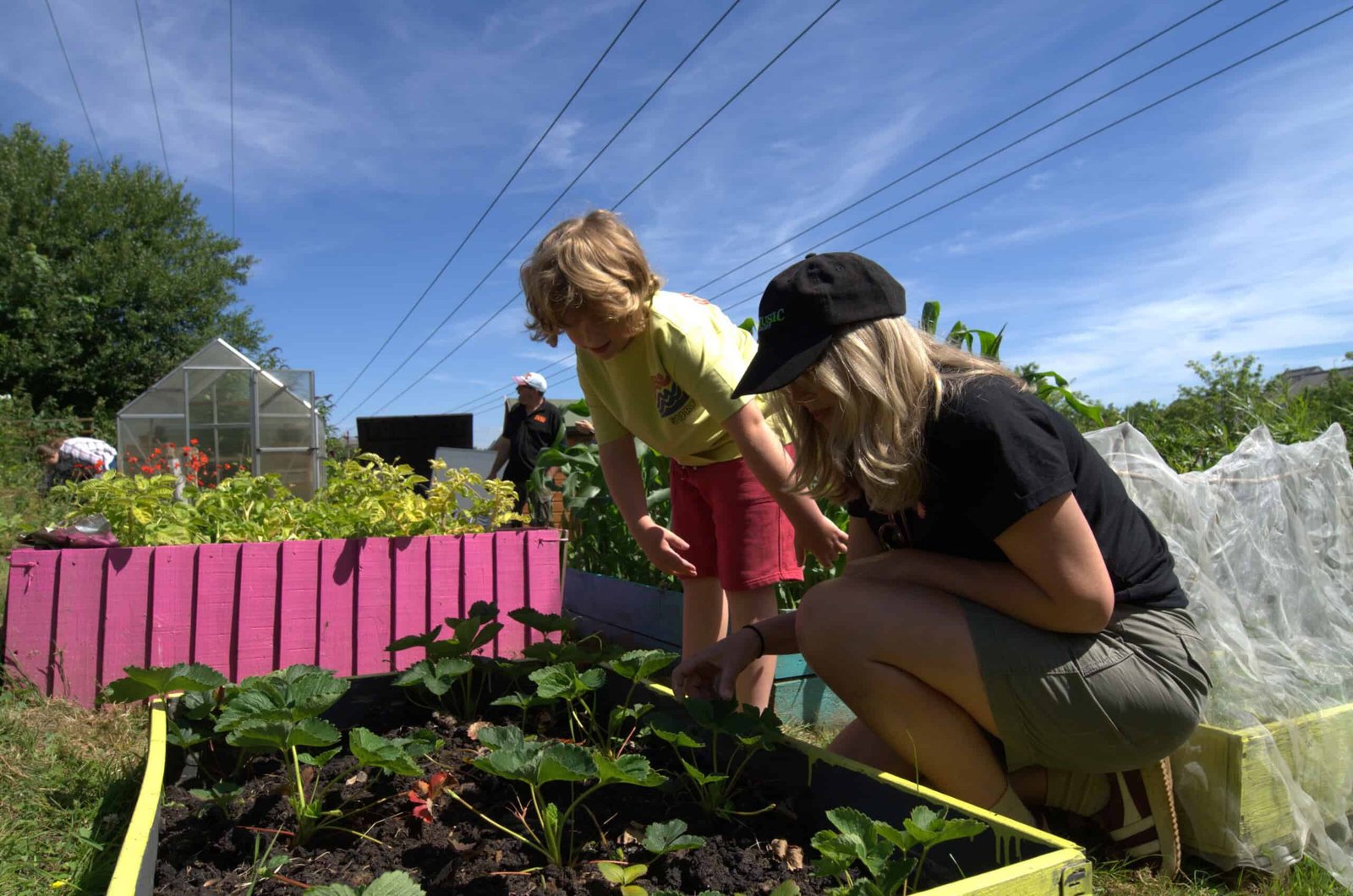
The result is closer to a living map of local action than a conventional festival. This year’s programme includes guided walks, beach cleans, storytelling, ocean yoga, art installations, wildlife talks, film screenings, craft workshops, dance, family bike rides and nature-based learning, with most events free or low-cost.
Visitors listening to a talk at the island’s garlic farm
Visitors can learn about marine conservation over tapas, explore historic landscapes at Brading Roman Villa, take part in wild fermentation workshops, try ocean flow yoga by the sea, or attend a UV night walk looking at the world through the eyes of insects.
Its organisers hope the model can offer a more accessible alternative to commercial festivals, especially for people who want something smaller, slower and more rooted in place.
“It’s definitely a different vibe from a music festival,” said Henson. “It’s great for people who are more about learning and being inspired, but also who prefer smaller scale events where a big festival can be overwhelming.”
The model is not easy to fund. The festival was run entirely by volunteers in its first two years, supported by around £5,000 in small grants and sponsorship. This year, a National Lottery Community Fund grant of just under £20,000 has allowed organisers to hire two coordinators and several short-term project roles, though much of the work still depends on volunteer effort.
Visitors at the farm on the island’s open day
“We want to make it as accessible as possible, which relies on ticket prices being low,” said Henson. “If we asked for money from our community in order to run it, it would start to feel like it was taking something away rather than celebrating and giving back.”
For an island still often associated with seaside holidays and buckets and spades, the Biosphere Festival shows another side of the Isle of Wight: one shaped by community action, nature recovery, creativity and local knowledge.
Henson hopes people leave with a sense of what becomes possible when local projects are joined together. “It’s as much about the exchange of ideas,” she said. “People with similar interests meet and we have seen all sorts of collaborations arise as a result. One person last year said it was ‘nourishment for the soul’, and it feels really good to hear that.”
Images: Biosphere Festival Network
Be part of the solution
At Positive News, we’re not chasing clicks or profits for media moguls – we’re here to serve you and have a positive social impact. We can’t do this unless enough people like you choose to support our journalism.
Give once from just £1, or join 1,800+ others who contribute an average of £3 or more per month. Together, we can build a healthier form of media – one that focuses on solutions, progress and possibilities, and empowers people to create positive change.
Support Positive News
